


Real estate
Settlement day: leaving the garden right for the buyer
By the Action Garden team · Updated · 11 min read
Checked against: Consumer Affairs Victoria, EPA Victoria
TL;DR
- The contract requires the seller to hand over the property in the same condition as when it was sold, and that includes the garden.
- Buyers may inspect at any reasonable time in the week before settlement, so the garden needs to be ready a week early.
- Anything listed in the contract stays and should work, such as a watering system, water tank, shed or clothesline.
- Your own rubbish, green waste, leftover materials and unwanted pots must go; leaving them is a common final inspection complaint.
- A short handover note on the watering timer, taps, bin days and key plants helps the buyer and costs you nothing.
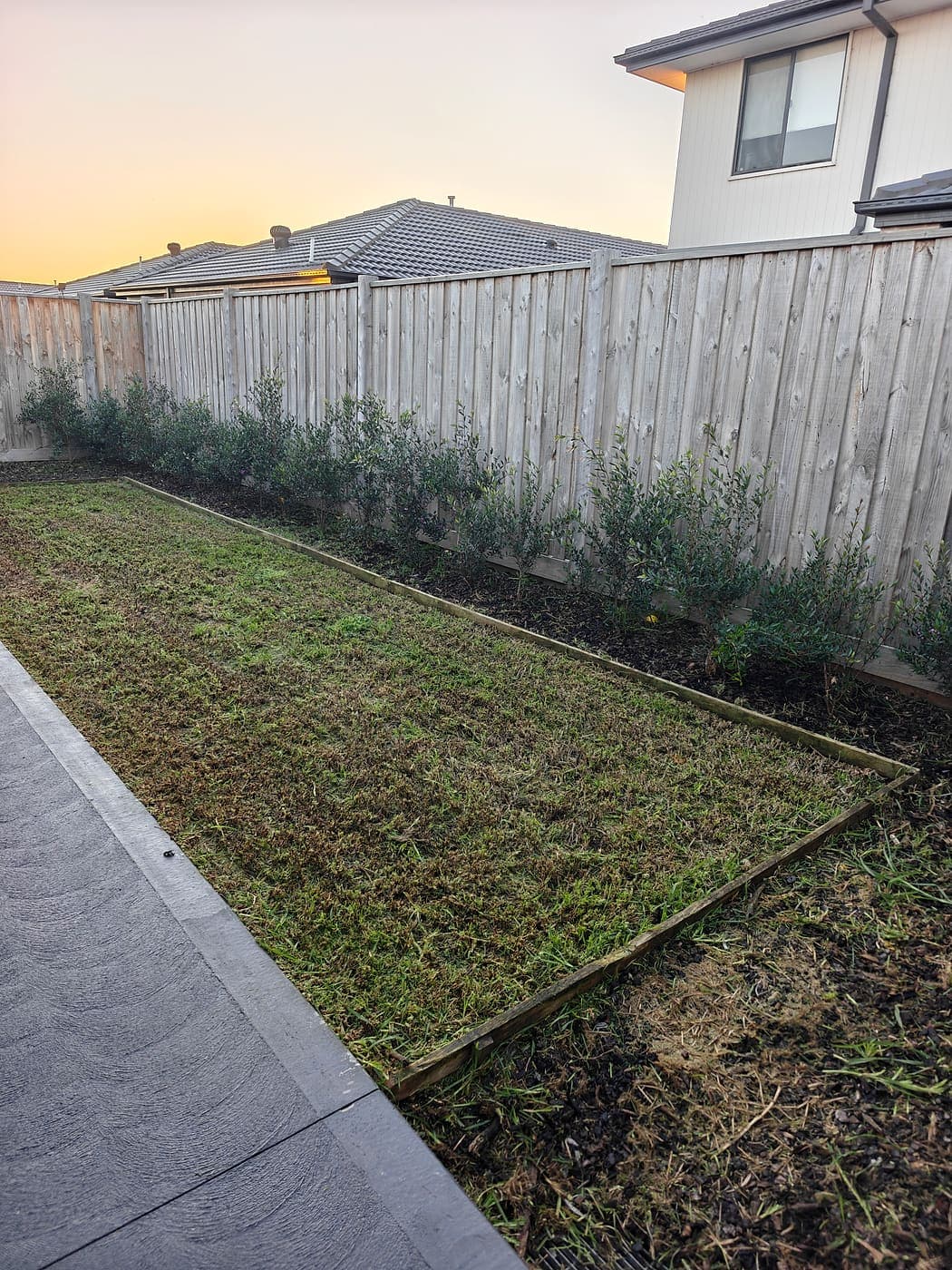
What condition does the garden need to be in at settlement?
The same condition it was in when the property was sold. Consumer Affairs Victoria (opens in a new tab) explains that the contract of sale requires the seller to hand over the property in the same condition as when it was sold, and the garden is part of the property.
In practice, that means the lawn and beds look as they did at the sale, everything listed in the contract is still there and working, and nothing has been damaged or removed that should have stayed. It does not mean the garden must be transformed, or that new work must be done.
Settlement periods in Victoria often run for weeks or months, and a Melbourne garden can change a lot in that time. A sale in late winter with settlement in late spring is the classic case: the lawn that looked neat in August is long and seeding by November.
This article is not legal advice. Your contract and your conveyancer or lawyer are the authority on what applies to your sale.
A horizontal timeline from "Contract signed" to "Settlement day". Markers along it show "Regular mowing" as a repeating band, "Remove items you are taking" two weeks out, "Clear rubbish and stored materials" ten days out, "Final garden tidy-up" eight days out, "Buyer's final inspection window" as a highlighted band across the last seven days, and "Keys and handover note" on the final day. The highlighted window pulses to show the garden must be ready before it opens.
When can the buyer check the garden?
In the week before settlement. Consumer Affairs Victoria says buyers are entitled to inspect the property at any reasonable time during the week before settlement, usually arranged through the agent.
That is the key date for the garden. If anything is wrong at that inspection, such as something damaged or not working as it was on the day of sale, the buyer can ask for it to be fixed. Garden jobs left until settlement day are already too late.
Plan to have the garden finished eight to ten days before settlement. That leaves time to fix anything you notice on your own walk-through, and a buffer if rain delays a mow.
What has to stay in the garden?
Everything the contract includes. Items fixed to the land, such as a garden shed on a slab, a plumbed rainwater tank, a fixed clothesline or a built-in watering system, are commonly treated as part of the property unless the contract excludes them.
Items to check against the contract
- Garden shed and its door, lock and key
- Rainwater tank, pump and connections
- Watering system: controller, valves, drippers and sprinklers
- Clothesline
- Fixed garden lighting and its switch or timer
- Letterbox, gates and side gate locks
- Pool fencing, gates and pool equipment, if there is a pool
- Established plants in the ground, unless you excluded them
If you wanted to take a plant, shed or tank, Consumer Affairs Victoria's selling checklist suggests giving your agent written instructions on items not included in the sale. That should have happened before the contract was prepared. If it did not, talk to your conveyancer before removing anything.
Plants you dug up after the contract was signed
Removing established plants after the sale can turn into a dispute, because plants in the ground are usually part of what the buyer agreed to buy. If you excluded a plant in writing, lift it carefully, fill the hole and level the bed so the garden is not left damaged.
If you did not exclude it and now want to take it, ask the agent to raise it with the buyer first. Many buyers agree to a cutting or a small plant; very few are happy to find a large gap at the final inspection.
What has to go before settlement?
Everything that belongs to you and is not part of the sale, plus any rubbish you have created. This is the most common garden problem at final inspections: sellers take the furniture and leave the back corner.
Clear-out checklist
- Pots, planters and garden ornaments you are not leaving
- Outdoor furniture, barbecues and gas bottles you are taking
- Leftover pavers, timber, sheets of iron and building materials
- Old hoses, broken tools and empty chemical containers
- Green waste piles, prunings and grass clippings
- Compost heaps that are overflowing or unmanaged
- Rubbish behind the shed, under the deck and down the side passages
- Bins emptied and returned to their usual spot, not left full
Plan disposal early. Council hard waste bookings can take time to schedule and allowances differ by council, and leaving rubbish on the nature strip outside a booked collection can count as dumping, which EPA Victoria (opens in a new tab) and councils treat as an offence.
Our rubbish removal service can take green waste and garden clutter in one visit, which is often simpler in the last fortnight before a move.
Some leftovers need specialist handling. Do not break up or move old fibro sheeting that could contain asbestos; a licensed asbestos removalist is the right call. Old garden chemicals should go to a council or state chemical collection, never into the bin or down a drain. Branches over the roof, damaged trees and anything near power lines need a qualified tree professional, not a ladder and a saw on moving week.
What garden jobs should be done in the final fortnight?
A light presentation tidy, not new projects. The goal is to match the condition at the sale and remove anything that could prompt a complaint.
Final fortnight checklist
- Mow and edge the front and back lawns and the nature strip.
- Weed beds and top up mulch on any bare patches, especially where plants were removed.
- Trim hedges and shrubs back off paths, windows and the house if they have grown since the sale.
- Clear paths and the driveway of leaves, moss and clippings.
- Check the watering system runs, the controller is set to the permanent water saving rule hours of 6pm to 10am, and no lines are leaking.
- Clear gutters if leaves have built up, using a professional for anything above a single storey.
- Close and latch pool gates, side gates and shed doors.
Our guide to garden maintenance in Melbourne explains what grows fastest in each season, which helps if settlement falls in spring.
What if you have moved out before settlement?
Then someone needs to look after the garden until the final inspection. An empty house in a Melbourne spring can lose its shape in two or three weeks, and the buyer will notice.
Book a regular mow and tidy-up cycle until settlement, with a photo after each visit, and give the gardener and agent the access details. Our guide to looking after the garden while you are away covers watering and checks for empty properties.
Long settlements and seasonal change
Long settlements are common for off-the-plan purchases, deceased estates and buyers who need time to sell their own home. Over three to six months, a lawn can go from dormant to seeding, hedges can lose their shape and autumn leaves can fill gutters.
Plan a light maintenance cycle for the whole period rather than one big catch-up at the end. A garden kept steady is easier to hand over and less likely to start a disagreement at the final inspection.
What if the property is tenanted until settlement?
Then the renters look after the day-to-day garden during their tenancy, and the seller needs a plan for the gap between their move-out and the final inspection. Under Victorian rental guidelines, renters generally keep lawns and garden beds tidy, while the rental provider handles larger jobs such as gutters and major pruning, though the lease can change that split.
If the buyer is taking vacant possession, book a garden tidy-up for after the renters leave and before the buyer's inspection window opens. Our guide to preparing the garden for a rental inspection covers the renter's side, and property managers handling several sales can read our article on setting up garden care across a rental portfolio.
If the buyer is taking the property with the tenancy in place, the garden simply continues as part of the lease. Our article on why landlords benefit from a garden programme explains how a regular cycle helps at hand-over points like this.
What should a garden handover note include?
The practical things a new owner cannot see: how the water works, where things are, and what the garden needs next. It is not required, but buyers appreciate it.
Handover note checklist
- Watering system controller location, current watering schedule and how to turn it off
- Tap, valve and water meter locations
- Rainwater tank and pump details, and how to switch between tank and mains if fitted
- Bin collection days and how to book your council's hard waste collection
- Any plant that needs special care, such as a fruit tree, rose or established hedge
- Shed, gate and padlock keys, labelled
- Known quirks: a soggy corner after rain, a gate that sticks, a tree that drops fruit in summer
When is it worth handing the final tidy-up over?
When you are packing a house, moving and settling at once. A team can mow, edge, weed, mulch and take away green waste and garden clutter in a single visit, timed before the buyer's inspection window, and send photos so you can see it is done.
Action Garden's gardening services cover pre-settlement tidy-ups and regular visits for empty properties. If you are still at the selling stage, see our article on what buyers notice first, or for larger blocks, our piece on preparing a big garden for sale when downsizing. More is in the real estate section of our blog, and you can request a free quote with the address and settlement date.
Your Garden. Our Promise.
From our jobs
Frequently asked
Does the lawn need to be mown right before settlement?
Can I take garden pots and ornaments when I leave?
What if a storm damages the garden between sale and settlement?
Should I leave a garden handover note for the new owner?
Who clears the garden if the property is tenanted at settlement?
What do buyers most often raise about the garden at the final inspection?
Sources and further reading
- Before property settlement (Consumer Affairs Victoria)
- Selling property checklist (Consumer Affairs Victoria)
- Preparing to sell your property (Consumer Affairs Victoria)
- Dumped waste (EPA Victoria)
Caring for Melbourne gardens since 2019. Updated 18 November 2026.