


Real estate
Downsizing: preparing a big garden for sale
By the Action Garden team · Updated · 11 min read
Checked against: Consumer Affairs Victoria, CFA, EPA Victoria
TL;DR
- A big established garden reads as a lifestyle to some buyers and as weekends of work to others, so present it as under control.
- Decide what you are taking before the campaign starts, and tell your agent and conveyancer in writing so it is clear in the contract.
- Clear the hidden zones first, such as sheds, compost bays, side passages and the back fence line, because that is where years of material builds up.
- Open up light and space by lifting canopies, thinning overgrown shrubs and defining every bed with a clean edge and fresh mulch.
- Keep a mowing and tidy-up cycle running from the listing photos to settlement, especially if you have already moved out.
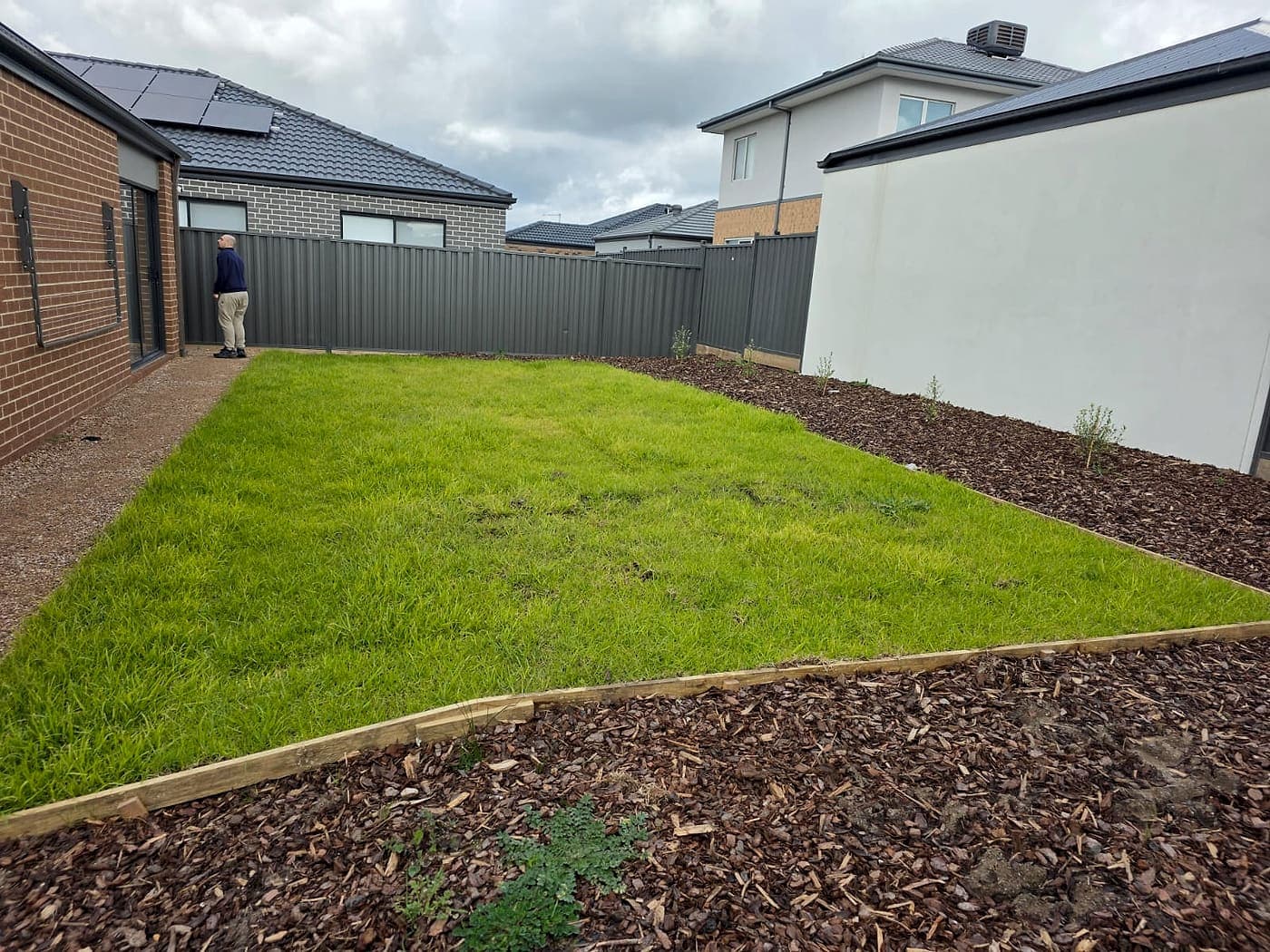
Why is a big garden harder to sell when you downsize?
Because buyers see the work before they see the beauty. A large, established garden that has been loved for decades can look like a full-time job to someone walking through it for fifteen minutes.
Downsizing sellers also carry a heavier load than most vendors. You are often sorting thirty years of plants, pots, timber and tools while packing the house, and some of the garden is coming with you.
The good news is that a big garden is a strength when it looks under control. Mature trees, deep beds and real space are hard to find in newer Melbourne estates, so the job is to show buyers the space without the worry.
This checklist covers the decisions and jobs specific to a large garden and a downsize. For how buyers read a garden in general, see our article on what buyers notice first in a sale campaign.
A plan view of a large suburban backyard shown twice. In the first, overgrown shrubs crowd the fences, a shed corner is piled with pots and timber, beds have no edges and the lawn shape is lost. In the second, the same garden is shown with lifted tree canopies, a cleared shed corner, crisp edges and a clear lawn shape; shaded rings mark the space a buyer can now see, and labels point to "light", "space" and "clear edges".
What should you decide before any work starts?
Decide what is staying, what is going with you, and what is being removed. Every later job depends on those three lists, and changing your mind halfway costs time.
Decisions checklist
- Plants you are taking. Walk the garden and tag them. Think about the size of your new garden or balcony: many big shrubs will not suit a courtyard.
- Garden items you are taking. Pots, statues, birdbaths, water tanks, sheds, raised beds and outdoor furniture.
- Items that stay with the house. Write these down too, so nothing is removed by mistake.
- Items to give away. Family, friends, neighbours or a local community garden may want cuttings, pots or tools.
- Items to remove. Broken pots, rotten timber, old hoses, leftover building materials and anything nobody wants.
- Who decides. If the house is jointly owned or family are helping, agree who approves removals and spending.
Consumer Affairs Victoria (opens in a new tab)'s selling checklist suggests giving your agent written instructions on items in the property that are not included in the sale. A plant you plan to dig up is one of those items, so raise it with your agent and conveyancer before the contract is prepared, not after.
How do you move plants you want to keep?
Lift them early, ideally in the cooler months, and repot them where they can recover. A plant dug up in a hurry in January heat often does not survive the move.
- Check the timing. Autumn and winter are the gentlest times to lift most shrubs and perennials in Melbourne. Deciduous plants move best while bare in winter.
- Water well the day before. Moist soil holds the root ball together, especially in the heavy clay of the northern and western suburbs.
- Dig wide. Take as much root as you can carry, and wrap the root ball in hessian or put it straight into a large pot.
- Fill the hole and dress the bed. Backfill with soil, then mulch or plant something low in the gap so the bed does not look stripped in the listing photos.
- Take cuttings instead when the plant is too big. Many roses, salvias, geraniums and succulents strike well from cuttings, which is easier than moving a mature shrub.
Large established trees and shrubs usually cannot be moved safely, and digging close to services is a job to plan carefully. If you are unsure what is underground, stop and ask before digging deep.
Sentimental plants that are too big to move
Some plants matter more than they can practically travel: a lemon tree planted for a child, a rose from a parent's garden, a hedge you grew from cuttings. For these, take cuttings or seed, or ask the nursery that sold it whether the same variety is still available.
Photograph the plant and its spot in the garden. Some sellers leave a short note for the buyer about a special tree and how it has been cared for, which many buyers appreciate. It also helps the plant keep being looked after.
What should be cleared first in a large garden?
Clear the hidden zones first: sheds, compost bays, side passages, the back fence line and the spaces behind and under things. These are where decades of material collects, and they slow every other job until they are empty.
Clear-out checklist
- Empty and sweep the garden shed, and decide whether the shed itself is staying.
- Clear the space behind the shed, the garage and the water tank.
- Remove old timber, sheets of iron, broken pavers and leftover building materials.
- Sort pots: keep the good ones, give away spares, remove broken ones.
- Empty or tidy compost bins so they look managed, not abandoned.
- Clear side passages so a buyer can walk the full boundary.
- Remove dead plants and self-sown weed trees along fences.
- Take away green waste piles and old prunings.
Large garden clear-outs often produce more than a green bin and a council collection can take. Our rubbish removal service handles green waste, garden clutter and hard waste in one visit, with recycling and composting where possible. If you book your council's hard waste collection instead, check its rules and timing on the council website, because allowances differ by council.
Some things found in old sheds and back corners should not be handled without care. Do not break, cut or move old fibro sheeting, which may contain asbestos; it needs a licensed asbestos removalist. Old garden chemicals must not go in household bins or down drains: check your council's chemical collection or the Victorian Government's Detox your Home programme (formerly run by Sustainability Victoria). Trees close to the house, power lines or fences, and anything needing a chainsaw or ladder work at height, are jobs for a professional.
How do you make a big garden look manageable?
Show buyers clear structure: open space, defined beds, plants kept off the house and a lawn with a clean shape. A garden reads as manageable when every part of it has an obvious edge and nothing is spilling into something else.
Presentation checklist
- Lift canopies. Raise the lower branches of trees and large shrubs so light reaches the lawn and buyers can see across the block.
- Thin and cut back. Pull overgrown shrubs back from paths, windows, gutters, fences and the roof line.
- Define every bed. Cut a crisp edge between lawn and beds, and between beds and paths.
- Weed, then mulch. Fresh, even mulch over every exposed bed is the quickest way to make a large garden look finished.
- Shape hedges. Trim formal hedges square and level, and give informal screens a neat outline.
- Reshape the lawn. Mow, edge and give the lawn a clear shape, even if it is not perfect.
- Open the outdoor living area. A swept deck or patio with a table and chairs shows buyers how the space is used.
- Fix paths. Clear moss and weeds from paving, and reset loose pavers that could trip someone.
Hard pruning needs time to recover before the photos. Our guide to garden maintenance in Melbourne covers when each type of plant can take a heavy cut and how long it takes to green up.
Big trees: asset or worry?
Mature trees are one of the best features of an older Melbourne block, and also one of the first things a cautious buyer asks about. Questions usually centre on branches over the roof, leaf drop into gutters, roots near paths and shade over the lawn.
Lifting canopies off the roof line, clearing gutters and showing buyers a tidy base under the tree answers most of those questions. Check with your council before removing or heavily pruning a large tree, because many councils protect significant trees through local laws or planning controls.
What about fire season if the sale runs through summer?
If your campaign runs through summer and your home is on Melbourne's fringe, keep fire fuel down as part of the presentation. The CFA (opens in a new tab)'s property preparation advice includes keeping grass short, removing fallen leaves and twigs, clearing gutters, pruning shrubs and trees away from the house, and moving flammable material such as woodpiles away from buildings.
Those jobs also make a garden look cared for. A big block with long dry grass and piles of prunings is both a fire risk and a poor first impression.
- Mow and edge regularly through summer.
- Remove dry leaf litter from beds near the house.
- Clear gutters and keep branches off the roof.
- Take prunings away rather than piling them for later.
How should a big garden be kept up during the campaign?
Book a regular cycle from the week of the listing photos through to settlement. A large garden in a Melbourne spring can lose its shape in two or three weeks, and every open home needs it to look the same as the photos.
| Period | What to plan | Why it matters |
|---|---|---|
| Six to eight weeks out | Decisions, plant lifting, clear-outs, heavy pruning | Pruning recovers and clear-outs are done before photos |
| Two to three weeks out | Weeding, edging, mulching, hedge trims | Beds look settled, not freshly dug |
| Photo week | Mow, edge, blow paths, clear outdoor area | The listing photos set the standard |
| Each open home | Mow and edge, clear leaves and paths | The garden matches the photos |
| Before settlement | Final tidy-up and removal of leftover items | The buyer receives what they saw |
How often the lawn needs mowing depends on the season and grass type. Our guide on choosing a garden maintenance programme explains how weekly, fortnightly and monthly cycles compare. If your agent is coordinating the work, our article on how agents can brief a gardener covers what a good brief includes.
If you have already moved out
Many downsizing sellers move before the old house sells. A garden with nobody living there needs someone checking it, not just mowing it.
Arrange access through a side gate code or lockbox, and ask for a photo after each visit. Agree a short list of jobs that happen every time and the jobs that need your approval first. Make sure bins come off the nature strip and the letterbox is cleared, because a full letterbox tells the street a house is empty.
What are the common mistakes when selling a big garden?
Most of them come from starting late or trying to do everything personally.
- Leaving the shed and back corners until last, then running out of time before settlement.
- Digging up favourite plants without telling the agent, which leaves gaps and awkward questions.
- Hard pruning a week before the photos, so shrubs look bare and cut.
- Over-planting colour instead of tidying what is there. Buyers notice edges and space more than flowers.
- Ignoring the fence lines, where self-sown trees, ivy and rubbish build up unseen.
- Stopping maintenance after the photos, so open homes show a different garden.
- Taking on heavy work alone. Lifting, pruning and carting rubbish on a large block is hard work, and an injury in the middle of a move helps nobody.
Before choosing someone to help, our guide on how to choose a gardener in Melbourne lists the questions worth asking.
What happens to the garden after the sale?
After the contract is signed, the garden still needs to be handed over in the condition it was in when sold. Consumer Affairs Victoria explains that the contract requires the seller to hand over the property in the same condition as when it was sold, and buyers can inspect it in the week before settlement.
That means mowing continues, plants you listed as staying stay, and anything you are removing goes before the final inspection. Our article on leaving the garden right for the buyer on settlement day covers that last stage in detail.
When is it worth handing the garden over?
When the garden is large, the timeline is tight, or you are juggling a move at the same time. A team can clear, prune, edge, mulch and remove waste in days, then keep the garden on a regular cycle until settlement, with a photo after each visit.
Our gardening services cover pre-sale tidy-ups, pruning, weeding, mulching and green waste removal for large established gardens. More property articles are in the real estate section of our blog, and you can ask for a free quote with a few photos of the garden.
Your Garden. Our Promise.
From our jobs
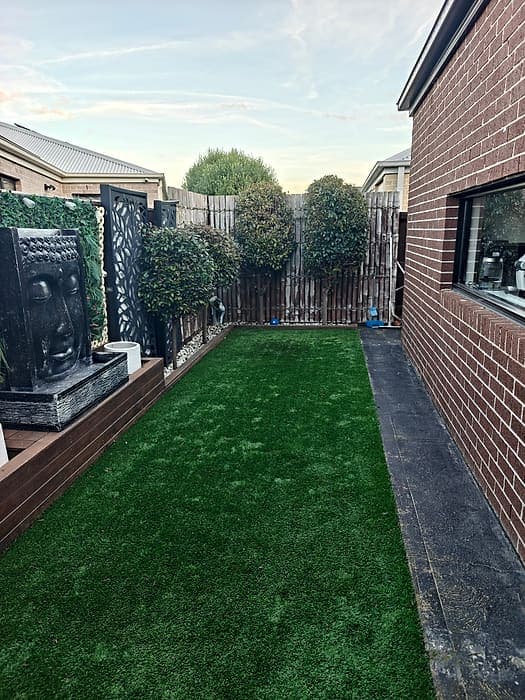
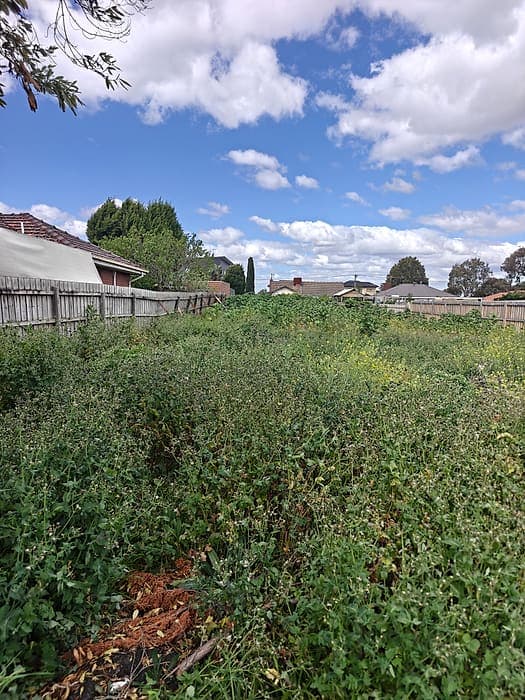
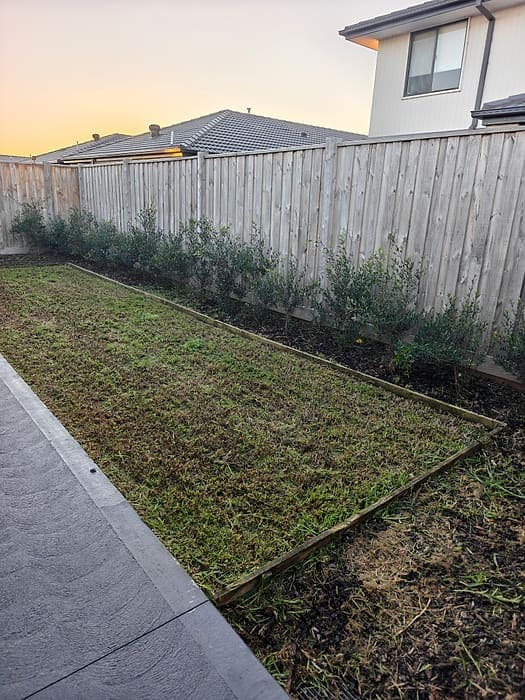
Frequently asked
Should I simplify a large garden before selling, or leave it as it is?
Can I dig up favourite plants to take to my new home?
What should happen to years of pots, timber and materials behind the shed?
How long does it take to get a large established garden ready for sale?
Is a downsizing sale garden different from a normal pre-sale tidy-up?
What if I have already moved into the new place before the sale?
Sources and further reading
- Preparing to sell your property (Consumer Affairs Victoria)
- Selling property checklist (Consumer Affairs Victoria)
- How to prepare your property (CFA)
- Dumped waste (EPA Victoria)
Caring for Melbourne gardens since 2019. Updated 18 November 2026.