


Real estate
What buyers notice first: the garden in a sale campaign
By the Action Garden team · Updated · 11 min read
Checked against: Consumer Affairs Victoria, Building and Plumbing Commission, CFA
TL;DR
- The garden is in the first listing photo and the first ten steps of every open home, so it frames everything after it.
- Buyers read the garden as a signal of how the whole property has been looked after.
- They look for work they would inherit, not for rare plants. Overgrowth, rubbish and blocked gutters stand out.
- Space, light and a clear walking route matter more than how much is planted.
- Present it well, but never hide a defect. Consumer Affairs Victoria treats misleading buyers about condition as unlawful.
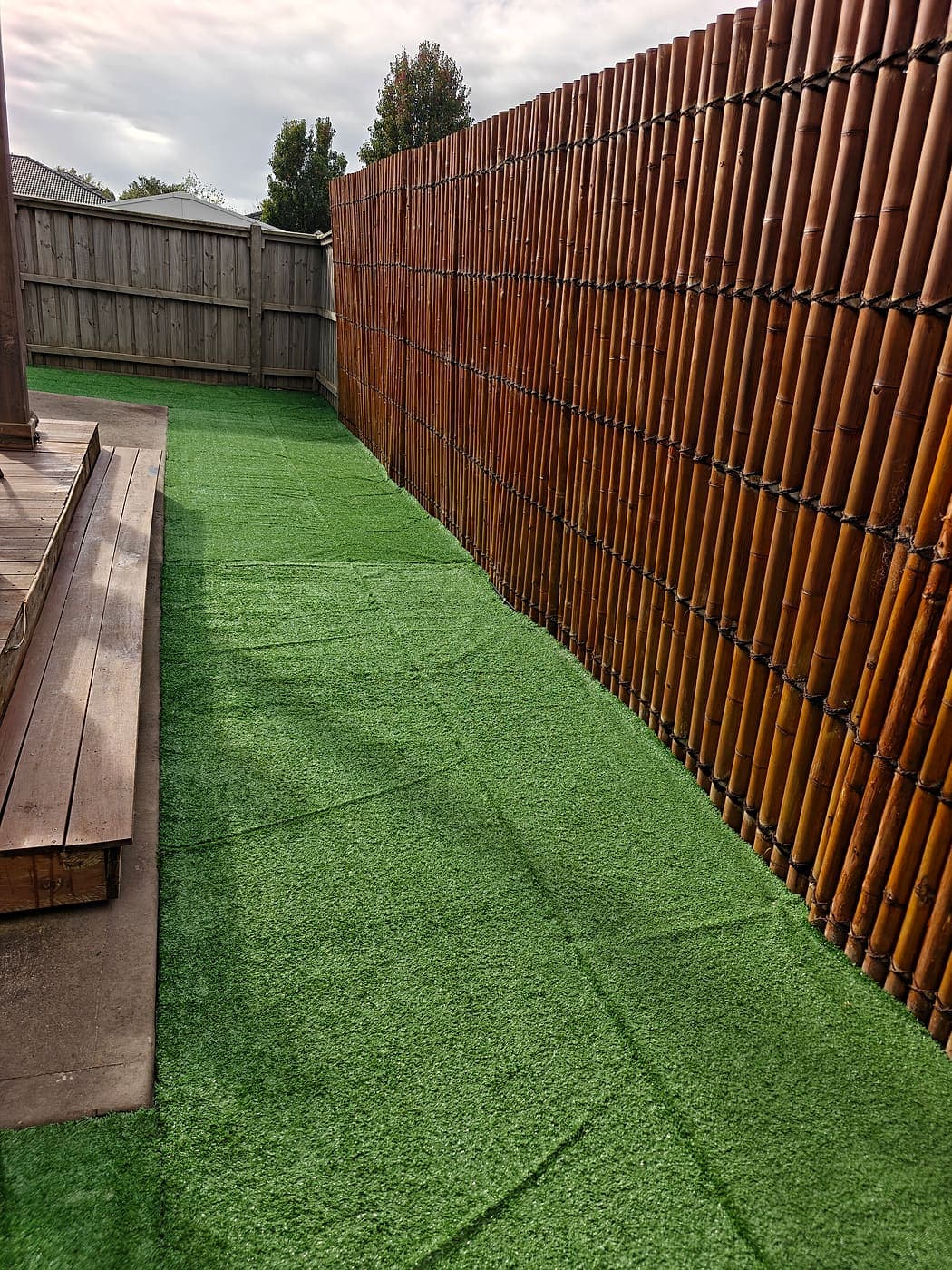
Why does the garden matter so much in a sale campaign?
The garden is the first thing a buyer sees, in the listing photo and again at the open home, so it frames how they read everything after it. Before a buyer has seen a kitchen or a bedroom, they have already formed a view about whether the property has been looked after.
That view is not really about plants. It is about effort and condition. A tidy garden suggests an owner who fixed things as they came up; a neglected one makes a buyer wonder what else was left.
This piece is the buyer's-eye view: what people notice, in roughly the order they notice it. If you want the practical countdown of what to do and when, our guide on getting a garden ready for sale, step by step covers the jobs week by week.
We are not going to put a number on what a tidy garden adds to a sale price. We have not seen credible Victorian research that measures it reliably, and any figure would be a guess. What we can describe is what buyers look at, and why.
What do buyers notice from the street?
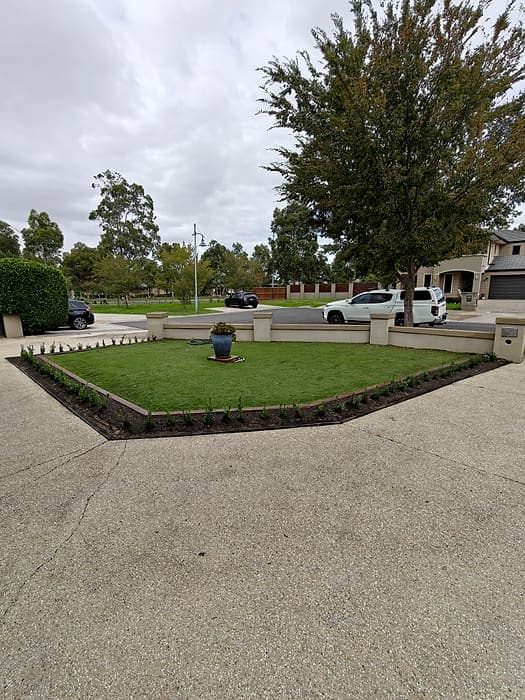
From the street, buyers notice the frame around the house: the front fence or gate, the nature strip, the front lawn and its edges, and whether the entrance is visible. That view is usually the hero shot in the listing, so the in-person version has to match it.
The details that stand out at kerb level:
- The front door. If shrubs hide it, the house feels closed off. A buyer should see where they are going from the gate.
- Edges. A crisp line between lawn and path reads as cared for. A lawn spilling over concrete reads the opposite.
- The nature strip. A shaggy strip or a pile of hard rubbish waiting for collection is the first thing in front of the house.
- Bins and clutter. Wheelie bins at the front, old pots and leftover building materials all appear in the photo and on arrival.
- The roof line. Plants growing out of gutters or branches lying on the roof are visible from across the road.
None of these need a big budget or a garden redesign. They need the right jobs done in the right order, which is the core of our gardening services.
A simple front-yard plan seen from above, with a dotted line tracing where a buyer looks: from the street to the gate, along the path, up to the front door, then a glance up at the gutters and across the lawn edges. Points along the line pulse in turn, showing the order of attention.
What do buyers notice on the walk to the front door?
On the path to the door, buyers notice anything they have to step around or duck under, and anything that tells them about maintenance up close. It is the slowest part of their approach, and the agent is often talking, so they have time to look.
- Branches or shrubs brushing shoulders on the path
- Weeds in paving cracks and moss on shaded steps
- Stained or slippery paving and loose pavers
- Garden beds with bare soil, faded mulch or weeds through it
- Dead plants in pots by the entrance
This is where small presentation work is most visible. Even, fresh mulch over every exposed bed is one of the quickest ways to make beds look finished, and our article on which mulch suits Melbourne gardens compares the types. Weeds pulled out of paving and a clean, dry path also help, as long as any pressure cleaning follows the water rules for your area.
Ask someone who does not live there to walk from the footpath to the front door slowly, as if they were a buyer, and tell you everything they notice. People who live in a house stop seeing the cracked pot or the overhanging branch. A fresh pair of eyes finds them in a minute.
What do buyers look for in the back garden?
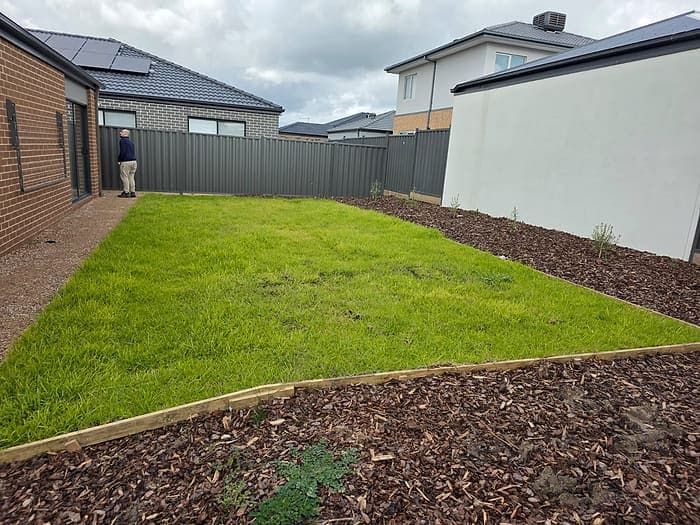
In the back garden, buyers are picturing their own life there: where the table goes, where children or a dog could play, how private it is, and how much sun it gets. They are also quietly adding up the work it would take to keep it that way.
What helps them picture it:
- Open space they can measure by eye. Overgrown shrubs and clutter along the fences make a yard look smaller than it is.
- A clear outdoor living area. A swept deck or patio with a table and nothing else on it shows how the space is used.
- Light. Lifting low tree canopies and thinning dense shrubs lets sun onto the lawn and makes the yard feel bigger.
- Defined edges. Lawn, beds and paving each clearly in their own place.
What raises questions:
- piles of green waste or rubbish behind the shed
- a lawn worn bare in patches, or soft and muddy underfoot after rain
- trees that overhang the house, the fence or a neighbour's yard
- overgrown fruit trees with fallen fruit on the ground
That last one is common in older Melbourne gardens. Our wider guide to garden maintenance in Melbourne covers the seasonal pruning that keeps fruit trees, hedges and shrubs in shape after the sale too.
Which garden problems make buyers think of hidden work?
Buyers think of hidden work when they see signs that something has been left for years: overgrowth, water where it should not be, and anything close to the house that could cause damage. These are the details they mention to their building inspector and that come up again in negotiation.
| What the buyer sees | What they may wonder |
|---|---|
| Branches on the roof or in the gutters | Roof and gutter damage, ongoing tree work |
| Gutters full of leaves or plants | How long since the roof line was maintained |
| Garden beds built up against walls | Damp, weep holes covered, termite access |
| Pooling water or soggy lawn | Drainage problems, especially on clay |
| A leaning retaining wall | A structural repair and permits |
| Large trees near the house | Roots, permits, the work to remove them |
| An unregistered pool or a damaged pool fence | Compliance work before they can use it |
Some of these sit on the formal side of a purchase. The Consumer Affairs Victoria (opens in a new tab) due diligence checklist, which sellers or their agents must make available to buyers, prompts buyers to look into flood and fire risk, retaining walls and boundaries. It also reminds them that pools and spas must be registered with the council and have the safety barrier inspected every four years.
Pools, fences and the garden around them
A pool is part of the garden in a buyer's eyes, and the barrier around it is part of its compliance. The Building and Plumbing Commission (opens in a new tab) requires owners to register any pool or spa with their council and lodge a certificate of barrier compliance. Plants, pots, furniture or garden structures placed near a pool fence can affect whether it is climbable, so keep the area around it clear and talk to your agent or a registered building surveyor or inspector about compliance.
Does a tidy garden mislead buyers?
No, provided tidying is all it is. Consumer Affairs Victoria says preparing to sell can include mowing the lawn and adding a few garden plants, but it is illegal to cover up, misrepresent or mislead a buyer about the true condition of a property.
In practice the line is clear enough. Mowing, pruning, weeding, mulching and cleaning are presentation. Piling mulch over a drainage problem, planting in front of a cracked wall or turning a defect away from the camera is concealment, and it puts the vendor at risk.
We see good presentation as making the property easy to read. Clear beds back from walls, clean gutters and a visible path let a buyer, and their inspector, see what is actually there.
Material facts and the garden
Consumer Affairs Victoria says knowingly concealing a material fact from a potential buyer is against the law. A material fact is one a buyer would be likely to consider important.
Whether something in a garden counts, such as a known drainage issue or a tree dispute with a neighbour, is a question for your agent or conveyancer, not for a gardener. We do the presentation work; the legal advice belongs with them.
How does the season change what buyers notice?
The season changes what the garden is doing, and buyers see the garden as it is on the day. Each Melbourne season has its own risk for a campaign, and the presentation work shifts with it.
- Spring: growth is fast. Lawns and hedges cut for the photos can look shaggy within two weeks, so a mow before each open matters most.
- Summer: heat stress and dry patches show. Watering systems may only run between 6pm and 10am under the permanent water saving rules, so plan any watering of new plants around that.
- Autumn: leaves fill gutters and cover lawns and paths. Blowing and raking before each open does more than any other job.
- Winter: warm-season lawns such as couch and kikuyu go pale, clay soils stay wet and moss appears on shaded paving. Clean edges, clear paths and fresh mulch carry the presentation.
In late spring and summer, buyers looking at a property in a bushfire-prone area may also think about fire readiness. The CFA (opens in a new tab)'s property preparation advice includes clearing gutters, keeping grass short and cutting back overhanging branches, which all happen to be pre-sale jobs as well.
What do agents and vendors get wrong about the garden?
The most common mistake is treating the garden as a one-day job just before the photos. The second is spending effort where buyers never look, while the details they do notice are left.
- Too late: hard pruning and new planting a few days before the photos look raw and fresh.
- Too much: a complete garden makeover before a sale is rarely needed. Buyers respond to order and space more than to new features.
- Too narrow: the front looks great, but the side passages and back fence line are full of rubbish. Buyers walk the whole block.
- Too early and then left: a garden tidied for the photos and not touched again for a four-week campaign looks different by the last open.
- Hiding instead of fixing: this creates risk for the vendor and rarely survives a building inspection anyway.
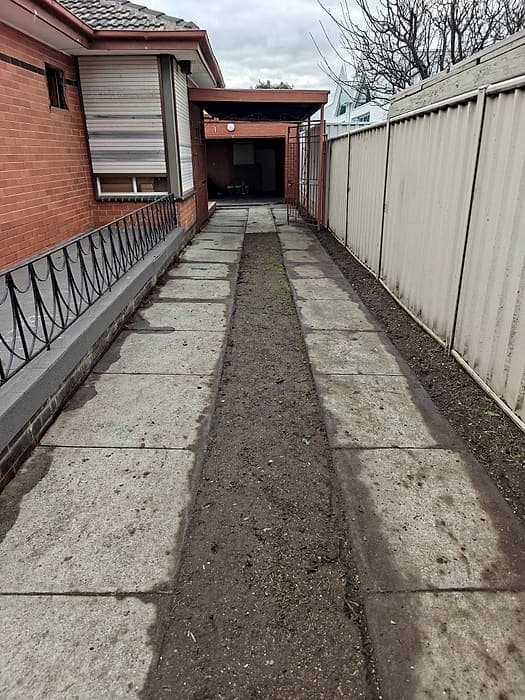
For agents with several listings, a standing arrangement saves time: one call per listing, the same scope each time and photos when it is done. Our page on who we work with explains how we work with agents, property managers and owners, and you can see real job photos on our work.
When is it worth bringing in a garden team for a campaign?
It is worth it when the photo date is close, the garden has got away from the owner, the property is vacant, or the job spans pruning, rubbish removal, gutters and pressure cleaning that need to be done in order. A single team working back from the photo date keeps it simple for the vendor and the agent.
Action Garden does pre-sale tidy-ups and repeat visits through a campaign in Melbourne's north, west and inner suburbs, with one quote per property and photos on completion. More articles for vendors and agents are in real estate articles. When you know your photo date, request a free quote and we will plan the work back from it.
Your Garden. Our Promise.
From our jobs
Frequently asked
What do buyers look at first when they arrive at an open home?
Do buyers care about the back garden as much as the front?
Do overgrown trees and shrubs put buyers off?
Does a large established garden worry some buyers?
Will buyers check the gutters and drainage during an inspection?
Can a real estate agent arrange the garden tidy-up for the vendor?
Do buyers notice the garden in the listing photos more than in person?
Sources and further reading
- Preparing to sell your property (Consumer Affairs Victoria)
- Due diligence checklist for home buyers (Consumer Affairs Victoria)
- Pool and spa registration requirements (Building and Plumbing Commission)
- How to prepare your property (CFA)
Caring for Melbourne gardens since 2019. Updated 17 November 2026.