


Property care: rentals, sales and strata guide
Preparing the garden for a routine rental inspection
By the Action Garden team · Updated · 11 min read
Checked against: Consumer Affairs Victoria, Rental Dispute Resolution Victoria, Water Victoria
TL;DR
- Routine inspections in Victoria need 7 days' written notice, happen at most every 6 months and not in the first 3 months.
- The rental provider or agent can look at the garden and outside areas, not just the inside of the home.
- The standard is a reasonably neat garden that matches the condition report, not a show garden.
- Do the messy jobs first (rubbish, weeds, trimming) and mow and edge last, two or three days out.
- Use the inspection to report garden repairs in writing, such as broken fences, leaking taps, blocked gutters or unsafe trees.
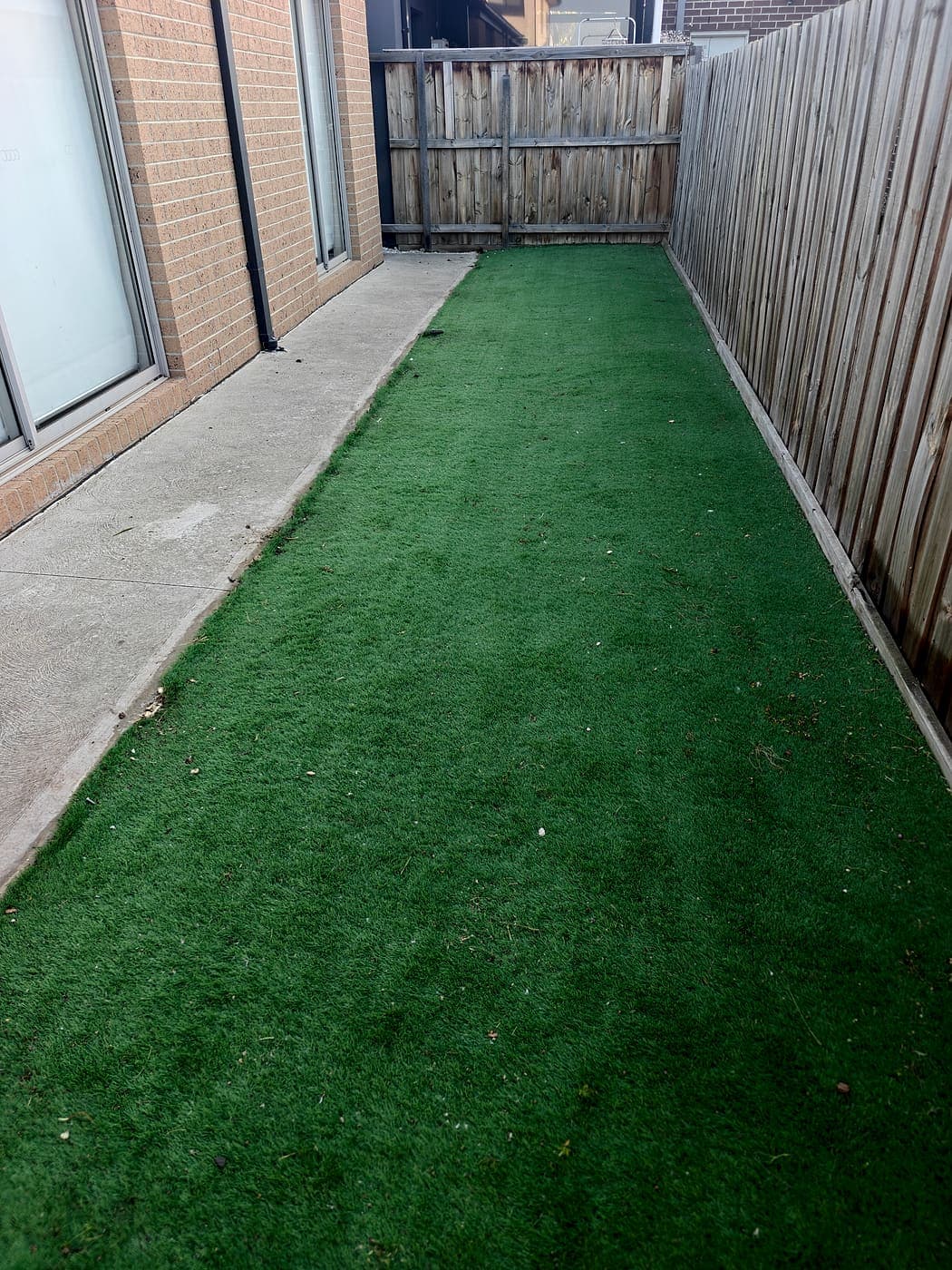
What do the rules say about routine inspections in Victoria?
A rental provider or their agent can carry out a general, or routine, inspection at most once every 6 months, and not in the first 3 months of the rental agreement. They must give you at least 7 days' written notice that states the reason for entry, and they can only enter between 8 am and 6 pm, not on a public holiday unless you agree.
Consumer Affairs Victoria (opens in a new tab) also makes clear that the inspection covers more than the inside of the home. In its words, entry "can include the garden or outside of the property, not just the inside." So the lawn, beds, side paths, shed and nature strip are all part of what is looked at.
| Rule | What it means for the garden |
|---|---|
| 7 days' written notice | Enough time to plan the work over a weekend |
| At most every 6 months | Two inspections a year at most, often in different seasons |
| Not in the first 3 months | The first inspection is a check against the ingoing condition report |
| 8 am to 6 pm, not public holidays | Mow and edge before the day, not the morning of |
| You do not have to leave | You can walk the garden with the agent and point out repairs |
If you think entry is unreasonable, Consumer Affairs Victoria explains the options, including an application to VCAT. This guide is about the garden, not those disputes, and it does not give legal advice.
What will the inspector look at outside?
An inspector checks two things in the garden: that you are keeping it reasonably neat, and whether anything needs repair. Both are judged against the ingoing condition report, with fair wear and tear allowed.
Consumer Affairs Victoria's cleanliness guideline gives garden examples of what renters are expected to do: beds and lawns kept neat and weeded, lawns mowed unless that is the rental provider's job, and rubbish removed. Our guide to who does what in a Victorian rental garden sets out the full split, including what a lease can change.
Typical things an agent notes outside:
- Lawn. Length, edges, bare patches from pets or furniture, and weeds.
- Garden beds. Weeds, overgrowth onto paths, dead plants, and any changes you made.
- Paths, driveway and paving. Weeds in joints, leaves, oil stains and trip hazards.
- Rubbish and storage. Piles of rubbish, old furniture, tyres, or items stored against the house.
- Bins. Overflowing bins or bins left on the street.
- Repairs. Fences, gates, taps, gutters, downpipes, drains, retaining walls and trees.
- Pests and wildlife signs. Rodent activity in rubbish, wasp nests, or possums in the roof.
A simple plan of a rented house and its block, viewed from above. A dotted line traces the route an agent usually walks: from the front gate along the front path, around the front lawn and beds, down the side passage, across the backyard to the shed, and back past the clothesline. Green ticks sit beside items that are the renter's job (lawn, beds, paths, rubbish), and orange spanners sit beside items that are usually the rental provider's (fence, gutters, tap, large tree). A small note box at the gate reads "7 days' notice, 8 am to 6 pm".
How should you plan the week before the inspection?
Use the 7 days' notice to spread the work out, doing the heavy, messy jobs first and the finishing jobs last. Mowing too early means the lawn has grown again by the day; leaving rubbish to the last day means no time to get rid of it.
| When | Jobs | Why then |
|---|---|---|
| 7 days out | Walk the garden, list jobs and repairs, book any rubbish removal | Time to plan and arrange help |
| 5 to 6 days out | Clear rubbish and clutter, weed beds and paths | These jobs leave mess and waste to deal with |
| 3 to 4 days out | Trim small shrubs, rake leaves, pick up after pets | Clippings and leaves can go out with the green bin |
| 2 to 3 days out | Mow and edge the lawn and nature strip | Fresh but not scalped on the day |
| The day before | Blow or sweep paths, final check, photos | The garden looks finished |
The checklist at the top of this page follows the same order. Tick it off over the week and nothing is left to the last morning.
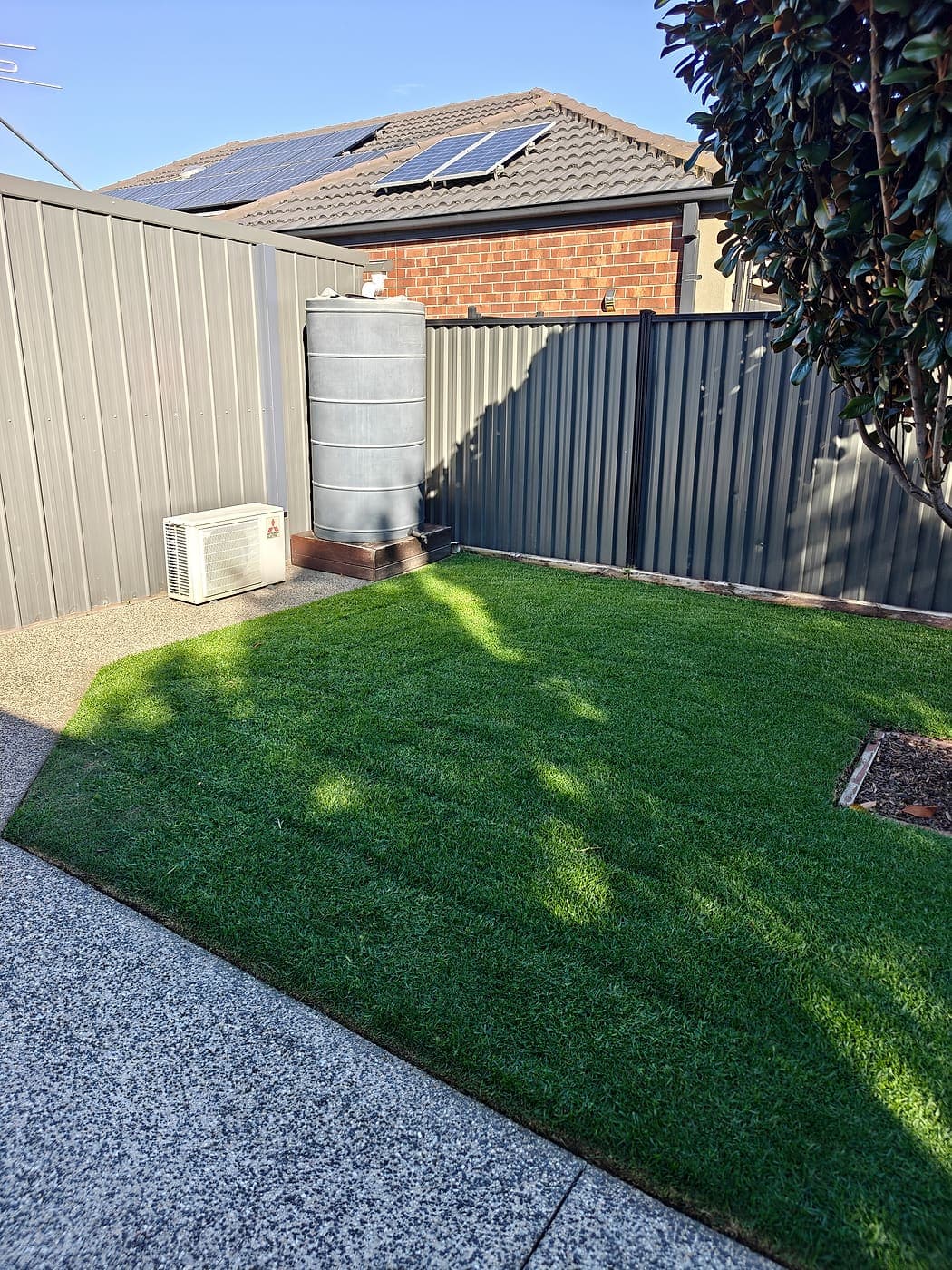
Which garden jobs make the biggest difference?
A mown, edged lawn, weeded beds and clear paths make the biggest difference. Those three jobs decide whether a garden reads as cared for in the few minutes an agent spends outside.
- Edges. A sharp edge along the path, driveway and beds makes even an average lawn look kept.
- Weeds in hard surfaces. Weeds in paving joints and gravel are noticed more than weeds in a bed, because they sit where people walk.
- Overgrowth on paths. Plants brushing the front path or side passage suggest neglect, and can be a trip hazard.
- Rubbish. One pile of old boxes or a broken chair changes the impression of the whole yard.
- Lawn length. Cut at the normal height for the season, not scalped short, which shows bare soil.
Under Victoria's permanent water saving rules (opens in a new tab), sprinklers and watering systems can run only from 6pm to 10am, while a hand-held hose with a trigger nozzle can be used at any time. Hard surfaces such as paths and driveways should be swept or blown, not hosed.
What should you report while the agent is there?
Report any repairs in writing, even if you also mention them on the day. The inspection is a good moment to point things out, but a written, dated request is what counts.
Garden and outdoor repairs commonly raised at inspections:
- Broken or leaning fences and gates.
- Leaking garden taps or broken irrigation.
- Blocked or overflowing gutters and downpipes.
- Drains or pits that pool water after rain.
- Dead, damaged or overhanging trees, and branches near the roof or power lines.
- Cracked or lifting paving that has become a trip hazard.
- Declared weeds that have appeared, which may be the landowner's legal responsibility to control. Our article on declared weeds on your property explains the obligations.
- Possums in the roof space or wildlife damage. See our guide to possums in the garden for the rules on handling them.
Consumer Affairs Victoria says non-urgent repairs must be carried out within 14 days of the rental provider getting a written request. Gutter clearing and major pruning usually sit with the rental provider under the CAV guidelines, unless the lease says otherwise.
Do not climb onto the roof to clear gutters, prune large trees or remove branches near power lines to get ready for an inspection. Those jobs are usually the rental provider's responsibility and need the right equipment. If you find fibrous sheeting, old pipes or anything that might contain asbestos in the yard or shed, do not touch it: report it in writing.
What if the garden is in poor shape when the notice arrives?
Start with the jobs that have the most effect and are clearly yours: rubbish, the lawn and the edges. A garden that was let go over a busy month can be made reasonably neat in a weekend, even if it is not perfect.
If time is short, focus on this order: clear rubbish, mow and edge, weed paths and paving, then trim plants back from walkways. Beds can be weeded more lightly and finished later. It helps to tell the agent if there is a reason, such as an injury or a heatwave, rather than leaving them to guess.
Pets and the garden at inspection time
Dogs leave the most common marks in a rental garden: urine spots, worn paths along the fence, and holes. Pick up all waste the day before, fill and level holes, and keep the dog out of freshly mown areas until after the inspection.
Make a plan for the pet on the day too. Agents are entitled to enter between 8 am and 6 pm with notice, so secure dogs or arrange for them to be out, so they are safe and the agent can walk the yard.
If a gardener is part of the lease
Some leases say the rental provider pays for a gardener, often for lawns or large gardens. In that case, tell the agent if the gardener has missed visits, and keep a note of the dates. You are still responsible for rubbish you create and for keeping the yard free of your own belongings.
If you are not sure which jobs the lease gives to a gardener, read the agreement before the inspection and ask the agent in writing.
What about rental providers and property managers?
For rental providers, a routine inspection is the best chance to catch small garden problems before they become repairs, and to check the garden is kept to the condition report. Use the visit to look at the jobs that are yours: gutters, trees, fences, drainage and irrigation.
A few habits help:
- Inspect in different seasons. Two inspections six months apart show the garden in its growth and dry seasons.
- Photograph the same spots each time so changes are easy to compare.
- Act quickly on repairs. A leaning fence or blocked gutter costs more the longer it waits.
- Make the garden easy to keep. Hard-to-reach hedges, high-maintenance beds and big lawns are harder for renters to manage well.
If the property sits empty between tenancies, our guide to looking after the garden while you are away covers keeping it presentable, and if it is being sold, the pre-sale garden tidy-up guide takes it further. At the end of a tenancy, renters can use our end-of-lease garden checklist.
When is it worth getting help before an inspection?
It is worth getting help when the garden is large, when the lawn and hedges have got away, or when you do not have the tools or time in the week you have. A one-off tidy-up a few days before the inspection covers mowing, edging, weeding, trimming and taking the green waste away.
Our gardening services cover one-off tidy-ups as well as regular visits, for renters and rental providers. The complete guide to garden maintenance in Melbourne shows the routine that keeps a garden inspection-ready all year, and more rental and sale guides sit under property care.
If you would like a hand, get a free quote.
Your Garden. Our Promise.
From our jobs
Frequently asked
How much notice do I get before a routine inspection in Victoria?
Does a routine inspection include the backyard and shed?
Do I have to be home for a routine rental inspection?
Will a long lawn on inspection day be held against me?
Should I take my own photos of the garden at each inspection?
How quickly should a rental provider fix a garden repair I report?
My inspection falls in winter and the lawn is patchy. Is that a problem?
Sources and further reading
- Rental providers' entry rights and responsibilities (Consumer Affairs Victoria)
- Repairs in rental properties (Consumer Affairs Victoria)
- Guideline 2: Cleanliness, Director's Guidelines under the Residential Tenancies Act 1997 (Consumer Affairs Victoria)
- Who maintains gutters, gardens and pools in a rental (Rental Dispute Resolution Victoria)
- Permanent water saving rules (Water Victoria)
Caring for Melbourne gardens since 2019. Updated 18 November 2026.