


Property care: rentals, sales and strata guide
End-of-lease garden checklist for renters
By the Action Garden team · Updated · 11 min read
Checked against: Consumer Affairs Victoria, Rental Dispute Resolution Victoria, Water Victoria
TL;DR
- The standard is "reasonably clean", judged against the ingoing condition report, not a show garden.
- Do the heavy jobs first (rubbish, green waste, plants you added), then weeds and edges, and mow last.
- Mow and edge two or three days before the final inspection so the lawn looks fresh but not scalped.
- Gutters, major pruning, tree removal and broken fences belong to the rental provider, not you.
- Take dated photos from the same angles as the condition report before you hand back the keys.
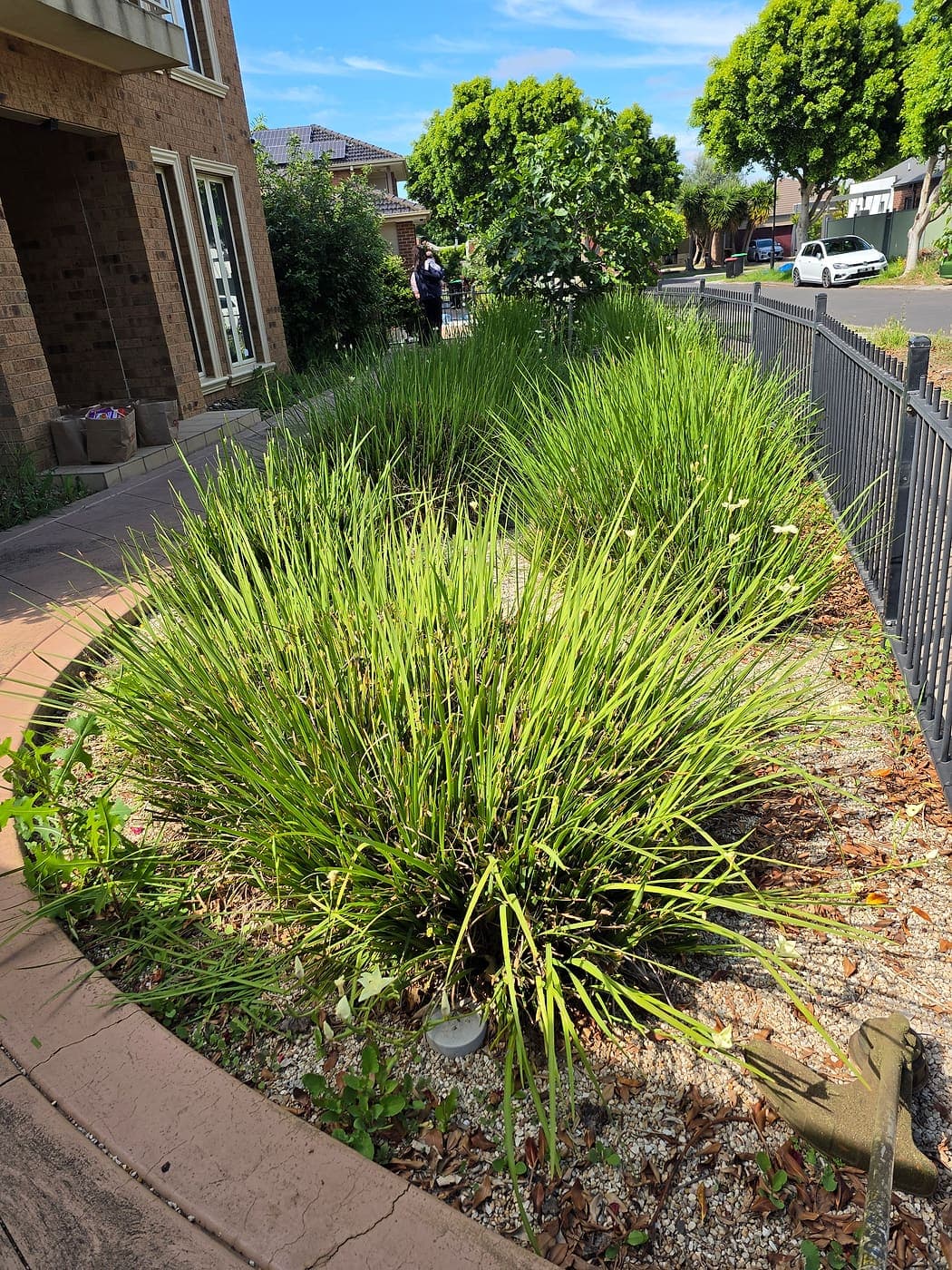
What does the garden need to look like when you move out?
It needs to be reasonably clean and in the same condition as when you moved in, allowing for fair wear and tear. Consumer Affairs Victoria (opens in a new tab)'s cleanliness guideline gives the garden examples: beds and lawns weeded and neat, lawns mowed unless mowing is the rental provider's job, rubbish removed, and any shed or garage emptied and tidy.
"Reasonably clean" is judged against average community standards and the ingoing condition report. It is not spotless and it is not a fresh landscape; VCAT has said it does not mean a better condition than the one recorded at the start.
The guideline also records that VCAT has treated overgrown garden beds, belongings left behind and excessively long grass that drew a council or fire authority notice as falling below that standard. Those are the outcomes this checklist is built to avoid. If you are unsure whether a task is yours at all, our guide to what the CAV guidelines say about rental gardens sets out the full split.
How far ahead should you start?
Start two to four weeks before you hand back the keys. That gives time to book a council collection, deal with any plants you added and spread the physical work over a few weekends instead of one exhausting day.
| When | What to do | Why then |
|---|---|---|
| 3 to 4 weeks out | Read the ingoing condition report, book hard rubbish or green waste, ask about plants you added | Council collections and replies take time |
| 2 weeks out | Clear rubbish and belongings, restore changes, first full weed | Heavy jobs leave mess that needs a follow-up |
| 1 week out | Trim small shrubs, rake leaves, empty the shed, second weed of paths | Regrowth from the first weed is easy to pull now |
| 2 to 3 days out | Mow, edge, blow paths, final rake | The lawn looks fresh for the inspection |
| Moving day | Exit photos, written note of anything broken | Evidence while the garden is at its best |
A horizontal timeline running from "4 weeks" on the left to "keys back" on the right. Coloured markers sit along it: a calendar icon for booking collections at 4 weeks, a wheelbarrow for clearing rubbish at 2 weeks, a weeding fork at 2 weeks and again at 1 week, shears at 1 week, a mower at 2 to 3 days, and a camera on the final day. A thin line underneath shows weeds regrowing between the first and second weed, to explain why weeding is done twice.
What should be done to the lawn?
Mow and edge the lawn two or three days before the final inspection. Cut at the normal height for the season rather than scalping it short, because a scalped lawn shows brown patches and bare soil that look worse than slightly longer grass.
- Pick up first. Collect sticks, toys, dog waste and stones so they do not damage the mower or end up scattered.
- Mow at the season's height. If the grass has grown long, take it down in two cuts a few days apart instead of one hard cut.
- Edge every border. Paths, driveway, garden beds and the nature strip. Crisp edges do more for the look of a lawn than anything else.
- Clear the clippings. Blow or sweep them off paths, the driveway and out of the gutter at the kerb.
If the lawn is patchy from pets or heavy use, the outcome depends on what the condition report showed and on fair wear and tear. Keep it mown and neat, and let your photos tell the story honestly.
How do you get garden beds and paths back in order?
Weed every bed, path and paving joint twice: once two weeks out and again in the final week. The first weed takes out the established weeds, and the second catches the seedlings that come up in the disturbed soil.
- Pull weeds by the root with a weeding fork, especially dandelions, thistles and grasses with runners.
- Scrape paving joints and gravel with a hand tool or a stiff broom; a quick pass makes a big difference.
- Trim small shrubs back to a tidy shape, and cut anything spilling onto paths or the driveway.
- Deadhead and remove dead annuals so the beds look cared for.
- Rake existing mulch level and back over any bare patches. New mulch is not required unless the condition report showed freshly mulched beds.
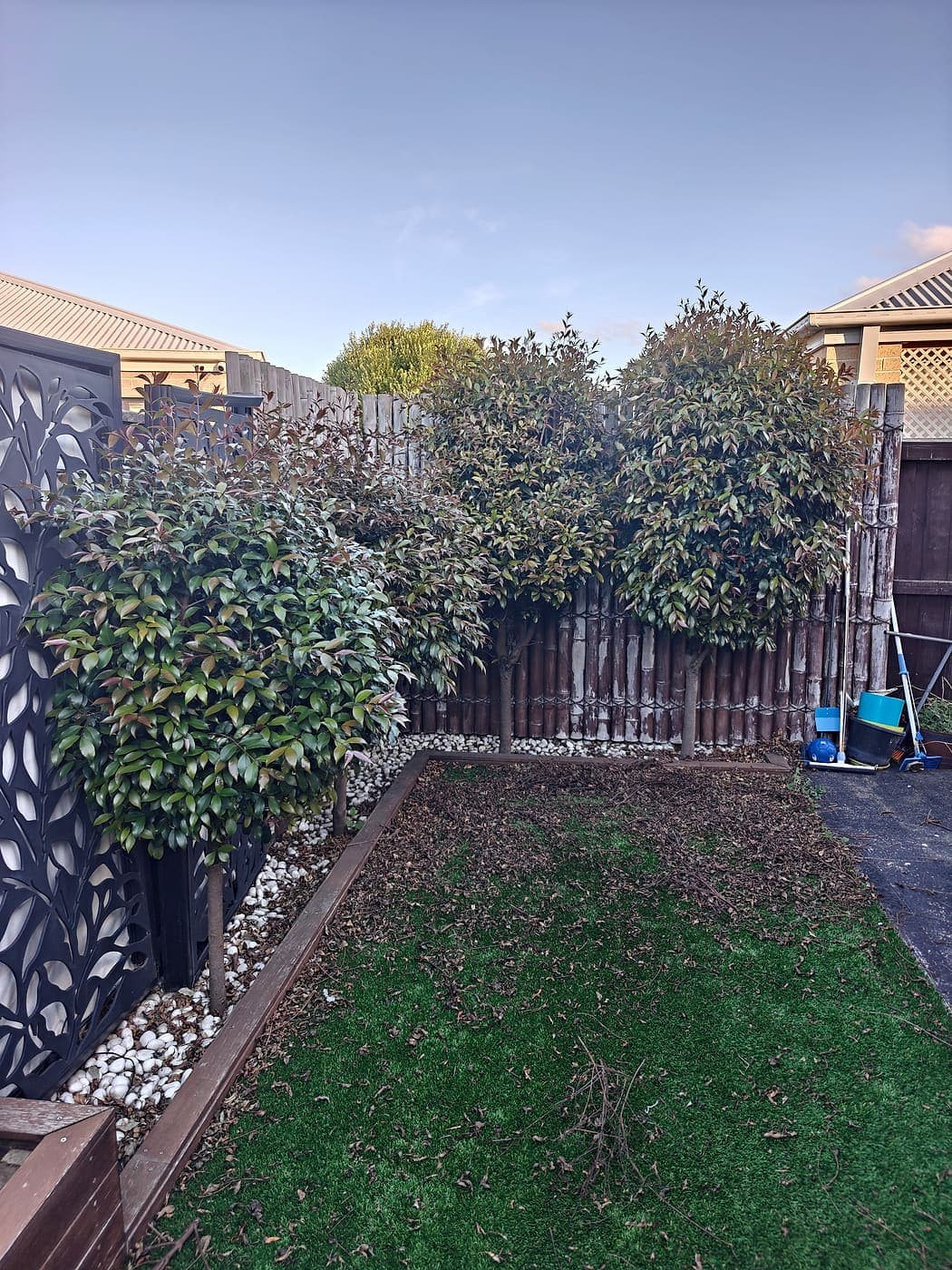
If you planted a vegetable or herb garden
CAV treats a vegetable or herb garden as a change the rental provider must not unreasonably refuse, and changes are usually undone at the end of the lease. Ask in writing whether the rental provider would like the beds left as they are.
If they want the area restored, remove the plants and any edging you installed, level the soil, and leave it in the condition shown on the ingoing report. Keep the written reply either way.
What should you clear away before you leave?
Everything you brought, and all the rubbish and green waste you created. Belongings left in the garden are one of the outcomes the cleanliness guideline names as falling below "reasonably clean".
- Pots, planters, garden furniture, trampolines and toys.
- Bags of soil, mulch, rubble and leftover building materials.
- Piles of prunings and green waste, including behind the shed and down the sides of the house.
- Car parts, tyres and anything stored under the house or in the carport.
- Everything in the shed or garage, which should be emptied and swept.
Use the council bins first, then book a hard rubbish or green waste collection through your council's own page; each council sets its own rules. For bigger loads, the rubbish removal service takes garden waste, furniture and general clutter away in one visit.
What is not your job when you move out?
Anything on the rental provider's side of the maintenance guideline. You do not need to clear gutters, carry out major pruning, remove trees, repair fences or service water tanks before you leave.
- Gutters: a rental provider task, and work at height. Do not get on a ladder to clear them before you leave.
- Large trees and tall shrubs: major pruning and removal belong to the rental provider.
- Fences, retaining walls, edging and drainage: report damage in writing; repairs are not yours unless you caused them.
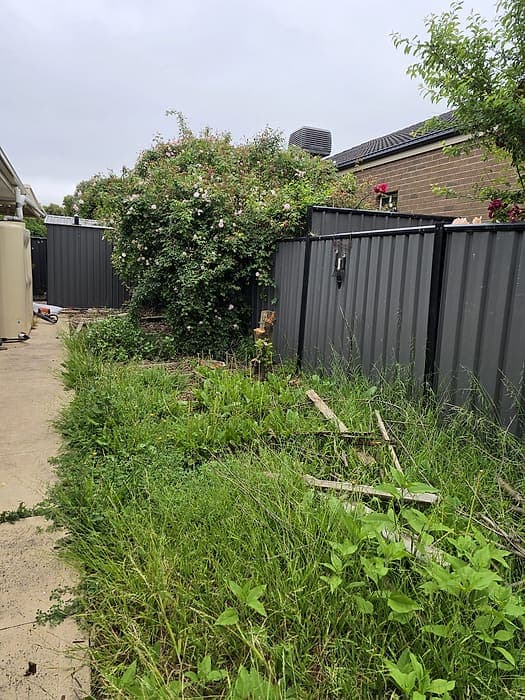
- Problems that were there at the start: if the ingoing report shows an overgrown back corner, you are not expected to hand back better than you received.
Rental Dispute Resolution Victoria (opens in a new tab) makes the last point directly: a renter should not be expected to clean up a backyard that was overgrown at the start of the lease to get the bond back.
Leave anything involving ladders, roofs, chainsaws or large trees to the rental provider and their contractors. If a branch has come down, a tree is leaning or a fence has collapsed, report it in writing before you move out so it is on record.
If the garden itself is more than you can manage in the time left, a gardener can do the weeding, trimming, mowing and green waste removal in a single visit.
How do you photograph the garden for the final inspection?
Take the exit photos from the same spots and angles as the ingoing photos, on the day you hand back the keys. Matching angles make it easy to compare the two sets fairly, and dated photos are evidence if a bond claim follows.
- Start at the street: front lawn, nature strip, driveway and front beds.
- Walk clockwise around the house, photographing each side path and bed.
- Photograph the back lawn from each corner, then each bed and the shed inside and out.
- Take close-ups of anything that was already worn or broken at the start.
- Back the photos up somewhere other than your phone.
CAV's condition report page recommends that both renters and rental providers take photos, date and label them, and attach them to the report. Our article on photographing the garden at the start of a lease explains the ingoing set that these photos are compared with.
How bond claims work if there is a disagreement
Either party can make a bond claim through the Residential Tenancies Bond Authority once the agreement ends. If a rental provider claims part of the bond and the renter disagrees, the dispute can go to Rental Dispute Resolution Victoria, a dedicated VCAT service that helps both sides reach an agreement.
Complex disputes can go on to a VCAT hearing. The condition reports and photos from both ends of the lease are the main evidence in garden claims.
What are the common end-of-lease garden mistakes?
Most mistakes come from leaving the garden until the last weekend. These are the ones that most often lead to a disagreement at the inspection.
- Mowing a month of growth in one cut, leaving a scalped, patchy lawn the day before the inspection.
- Weeding only once, so seedlings are back up by inspection day.
- Leaving green waste piles behind the shed or down the side of the house.
- Forgetting the nature strip, which is part of the property's presentation even though the council owns it.
- Pulling out plants the rental provider might have wanted to keep, without asking first.
- No exit photos, or photos from different angles that cannot be compared with the ingoing set.
When is it worth booking a professional end-of-lease tidy?
When you are short on time, the garden is large, or growth has got ahead of you in spring. A single visit can cover weeding, trimming, mowing, edging and green waste removal, timed for two or three days before your inspection.
Action Garden's gardening services include end-of-lease tidy-ups, and our guide to how to choose a gardener in Melbourne covers what to ask before you book anyone. For the full year of garden care, see the complete guide to garden maintenance in Melbourne, and find more rental and sale guides under property care guides. When you are ready, ask for a free quote and tell us your inspection date.
Your Garden. Our Promise.
From our jobs
Frequently asked
Do I need to mulch the garden before I move out?
Can I be asked to pay for a gardener at the end of my lease?
My lawn browned off over summer. Will that come out of my bond?
Should I remove plants I added during the lease?
How close to the final inspection should I mow?
Can garden waste go out with the council hard rubbish collection?
What if the rental provider never fixed garden problems I reported?
Do I have to weed a gravel area that never stops growing weeds?
Sources and further reading
- Guideline 2: Cleanliness, Director's Guidelines under the Residential Tenancies Act 1997 (Consumer Affairs Victoria)
- Guideline 1: Maintenance, Director's Guidelines under the Residential Tenancies Act 1997 (Consumer Affairs Victoria)
- Condition reports (Consumer Affairs Victoria)
- How to get your bond back in Victoria (Rental Dispute Resolution Victoria)
- Who maintains gutters, gardens and pools in a rental (Rental Dispute Resolution Victoria)
- Permanent water saving rules (Water Victoria)
Caring for Melbourne gardens since 2019. Updated 18 November 2026.