


Real estate
Condition reports: photographing the garden at the start of a lease
By the Action Garden team · Updated · 11 min read
Checked against: Consumer Affairs Victoria, Rental Dispute Resolution Victoria
TL;DR
- In Victoria, the rental provider gives the renter a condition report before move-in, and the renter returns a signed copy with any changes within 5 business days.
- Consumer Affairs Victoria advises both sides to take dated, labelled photos and attach them; the garden is part of "everything inside and outside".
- Shoot each garden area wide from a fixed spot you can find again, then close-ups of every defect, weed patch, dead plant or broken edge.
- Note the season and lawn condition in words, because a summer lawn and a spring lawn can look like two different gardens.
- The same photos settle questions at the end of the lease, so store them where both sides can find them years later.
Why photograph the garden at the start of a lease?
Because the garden changes more than any room in the house. In a year, a lawn can brown off and recover, a hedge can double in size, and a bed can fill with weeds or be cleared, so memory is no help at the end of a lease.
Photos taken at the start settle the question of what the garden looked like when the renter moved in. They protect renters from being blamed for problems that were already there, and they protect rental providers when a garden is genuinely left worse than it started.
Rental Dispute Resolution Victoria (opens in a new tab) makes the same point from the renter's side: a renter should not have to clean up a garden that was already overgrown when they moved in to get their bond back. The condition report and its photos are how that is shown.
Two photo frames side by side showing the same corner of a backyard from the same position. The left frame is labelled "Start of lease, March" and shows a lawn with a bare patch near the clothesline and a loose length of timber edging. The right frame is labelled "End of lease, February" and shows the same bare patch and edging, plus a new patch near the back step. A small tripod icon marks the fixed spot on a mini plan of the yard below.
What does a Victorian condition report require?
In Victoria, the rental provider or their agent prepares the condition report on the Consumer Affairs Victoria (opens in a new tab) form and gives it to the renter before they move in. It comes as two signed paper copies or one electronic copy.
The renter checks it, adds any corrections, and returns a signed copy within 5 business days of moving in, keeping a copy. Consumer Affairs Victoria says the report should record anything unclean, damaged or not working, "inside and outside", and advises both sides to take dated, labelled photos and attach them.
At the end of the lease, the exit section of the report is completed and compared with the start. This article explains how to photograph the garden well; for the rules themselves, read the Consumer Affairs Victoria condition report page (opens in a new tab), which is the official source.
What should the garden photos cover?
Every outdoor area, shown wide, plus a close-up of every defect. Work in a fixed order so nothing is missed.
Front of the property
- The whole front from the street, including the nature strip and kerb.
- The front lawn, each front bed and any hedge along the boundary.
- The front path, driveway, letterbox and front fence or gate.
- Any front trees, with a shot showing their size against the house.
Lawns
- Each lawn from at least two corners.
- Close-ups of bare patches, weeds, dead areas, dips and worn paths.
- The lawn edges along paths and beds.
Beds, hedges and trees
- Each bed from one end, plus close-ups of weeds, dead plants and missing mulch.
- Each hedge from the side and end, showing height and shape.
- Each tree, with any dead branches, damage or branches over the roof.
- Garden edging, especially loose, rotted or missing sections.
Hard surfaces and structures
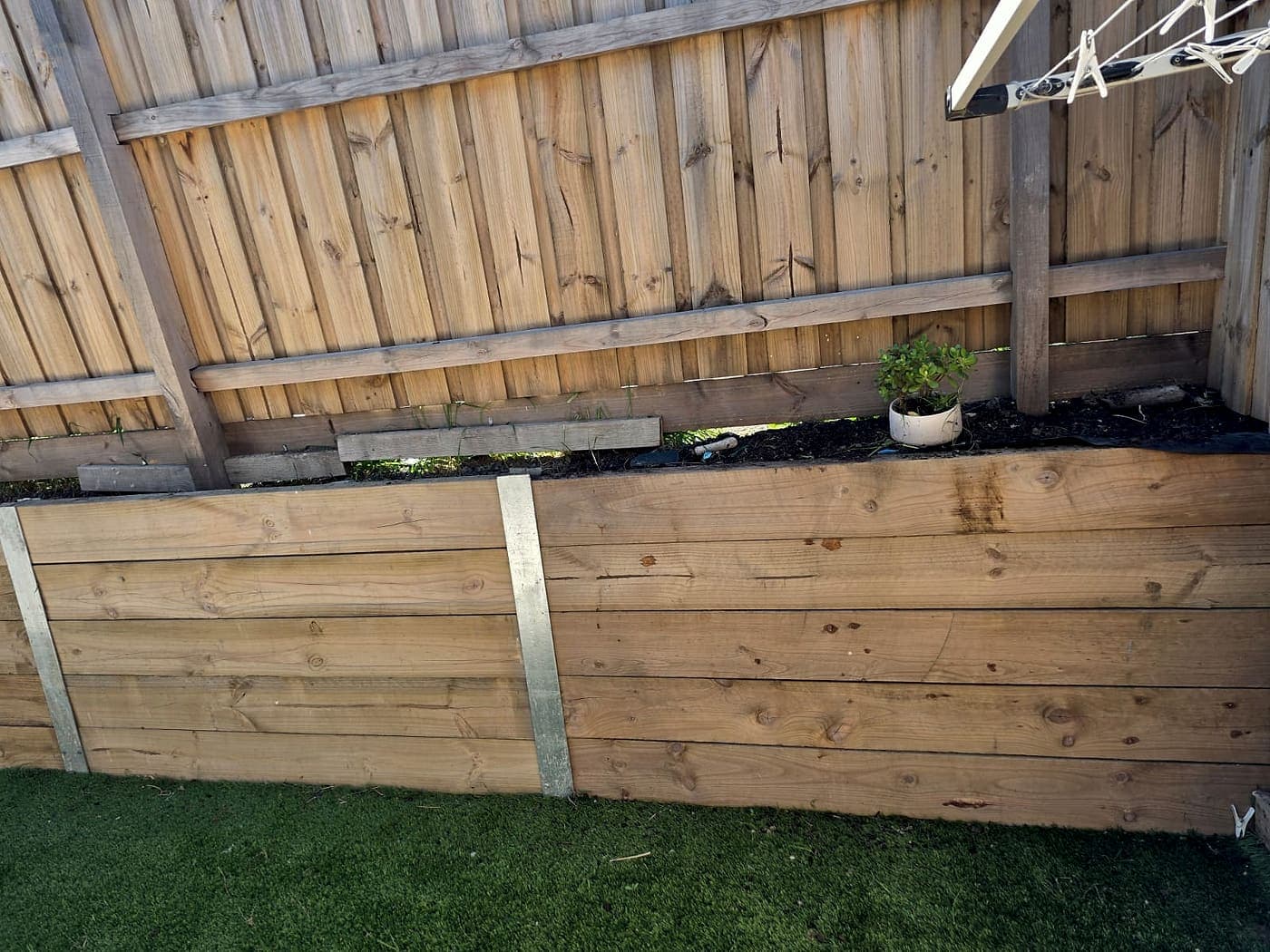
- Paths, paving, decks and steps, with close-ups of cracks, lifted pavers and moss.
- Fences and gates on every side, with any broken palings or leaning posts.
- Sheds, pergolas, retaining walls and clotheslines.
- Gutters and downpipes, photographed from the ground.
Water and services
- Each garden tap, hose fitting and any rainwater tank.
- Sprinklers, drippers and the watering timer, noting whether they work.
- Drains and sumps, especially any that were blocked or pooling.
- The pool or spa area, fence and gate, if there is one.
How do you take garden photos that still help a year later?
Take them so that someone else could stand in the same spot and take the same photo next year. Consistency matters more than camera quality.
- Pick fixed spots. Shoot from corners, gates and doorways you can find again, and note each spot in the label.
- Go wide, then close. One wide shot of each area, then close-ups of every defect, with something in frame for scale.
- Shoot in good light. Overcast days or mid-morning give even light; harsh midday sun hides detail in shade.
- Label every photo. For example "Backyard lawn from back door, bare patch near clothesline".
- Keep the originals. Original files carry the date and time. Do not crop, filter or edit them.
- Send them on the day. Email them to the agent or yourself so there is an independent record of the date.
- Add a video. A slow walk around the garden in the same order as the photos, narrated, is a useful extra.
How should the garden be described in words?
Specifically, with location and size. Vague words such as "fair" or "OK" leave too much room for argument later.
| Vague | Specific |
|---|---|
| Lawn fair | Back lawn mown, about 80 percent cover, bare patch near clothesline about 1 m across |
| Garden beds OK | Front bed weeded and mulched; side bed weedy, no mulch |
| Hedge overgrown | Front hedge about 2 m high, untrimmed, growing over the footpath by about 30 cm |
| Fence damaged | Left side fence: three palings missing near the shed |
| Taps working | Front and back taps work; back tap drips when off |
The cleanliness guideline (opens in a new tab) from Consumer Affairs Victoria is the standard renters are held to at the end of a lease, so it is worth reading alongside the report. Our guide to what the CAV guidelines say about rental gardens explains them for gardens in plain terms.
Why the lawn type and season matter
Couch and kikuyu lawns can go brown and dormant in a dry Melbourne summer and slow down in winter, while buffalo and cool-season grasses behave differently. A brown couch lawn in February may simply be dormant.
Write the month and the lawn's condition in the report, and name the grass if you know it. If the lease starts in winter, note that deciduous trees are bare and beds may be dormant, so nobody mistakes a winter garden for a neglected one.
Who looks after which parts of the garden during the lease?
Generally, renters handle routine upkeep and rental providers handle repairs and bigger jobs. Rental Dispute Resolution Victoria puts it this way: regular mowing, light weeding and trimming small shrubs are the renter's jobs, while major pruning, tree removal, branches over the roof and repairs to fences, edging, retaining walls and drainage are the rental provider's.
Gutters belong to the rental provider, and renters should report blockages and overflows. For pools, renters handle general cleaning, and rental providers handle technical repairs and the pool gate and fence.
That split is why the start-of-lease photos matter. They show which jobs were already outstanding, such as an overgrown tree or a broken fence, before the renter took over the routine care. At the other end, our end-of-lease garden checklist for renters covers what needs doing before the exit photos.
Photograph gutters, roofs and tall trees from the ground. Do not climb ladders or onto roofs to take condition report photos. If the photos show dead branches over the house, a leaning tree, a broken pool barrier or sagging gutters, the rental provider should arrange a qualified professional to deal with them, ideally before the renter moves in.
How should a rental provider prepare the garden before the report?
Get the garden into the condition you want it kept, then photograph it. A garden presented well at the start sets a clear standard for the whole lease.
- Mow and edge all lawns, and weed and mulch the beds.
- Trim hedges and shrubs back from paths, the house and the boundary.
- Have trees checked and dead branches removed, especially over the roof.
- Clear gutters and downpipes before the lease starts.
- Fix broken fences, gates, edging and taps, and test any watering system.
- Remove green waste and rubbish left from the previous lease or sale.
If you are turning a house around quickly between a sale and a lease, our article on how agents can brief a gardener for a fast turnaround covers timing. If you have just bought the property, our article on leaving the garden right on settlement day explains what a seller should hand over, and owners renting out the family home after downsizing will find the bigger jobs in our article on preparing a big garden for sale when downsizing.
Keeping the photos for years
Leases can run for years, and phones get lost or replaced. Store the condition report photos in at least two places, such as a cloud folder and an email to yourself, named with the property address and the lease start date.
Rental providers should keep each lease's photo set separate, and take a fresh set at each new lease. Renters should keep theirs until the bond is returned and any dispute is finished.
What are the common condition report mistakes for gardens?
Most of them are about leaving the garden out, or photographing it too loosely to compare.
- Skipping the garden and photographing only the inside of the house.
- Only wide shots, with no close-ups of the bare patch or broken paling that later becomes the argument.
- Random angles that cannot be matched at the end of the lease.
- No season noted, so a dormant summer lawn looks like neglect later.
- Vague comments such as "fair" or "garden OK".
- Missing the 5 business day window to return the renter's signed copy with corrections.
- Losing the photos before the lease ends.
When is it worth bringing in a gardener?
When a rental provider wants the garden at a clear, high standard before the photos are taken, or a renter is short of time to keep it there. A tidy-up before a new lease makes the condition report simpler for everyone.
Action Garden's gardening services cover pre-lease tidy-ups and regular maintenance, and property managers can be invoiced with the property address and photos attached. For the year-round picture, see our complete guide to garden maintenance in Melbourne, browse more articles in the real estate section of our blog, or ask for a free quote with your lease start date.
Your Garden. Our Promise.
From our jobs
Frequently asked
How many garden photos should a condition report include?
Should the renter or the rental provider photograph the garden?
What if I notice a garden problem after returning the condition report?
Do garden photos need a date stamp?
Is a video walk-through of the garden worth taking?
How should the season be recorded in a garden condition report?
Should the condition report name the plants in the garden?
Sources and further reading
- Condition reports (Consumer Affairs Victoria)
- Who maintains gutters, gardens and pools in a rental (Rental Dispute Resolution Victoria)
- Guideline 2: Cleanliness, Director's Guidelines under the Residential Tenancies Act 1997 (Consumer Affairs Victoria)
- How to get your bond back in Victoria (Rental Dispute Resolution Victoria)
Caring for Melbourne gardens since 2019. Updated 18 November 2026.