


Property care: rentals, sales and strata guide
Looking after the garden while you are away
By the Action Garden team · Updated · 13 min read
Checked against: Yarra Valley Water, CFA, Sustainable Gardening Australia
TL;DR
- Do the big jobs two to four days before you go, so the garden leaves tidy and recovered from the work.
- Soak beds deeply and lay mulch over moist soil; deep watering lasts far longer than a quick sprinkle.
- Pots, new plantings and seedlings fail first, so move, group and water them before anything else.
- Watering system timers must run only between 6pm and 10am under Victoria's permanent water saving rules.
- Trips over two weeks in spring or summer need a person on the ground for mowing, watering and fire-season jobs.
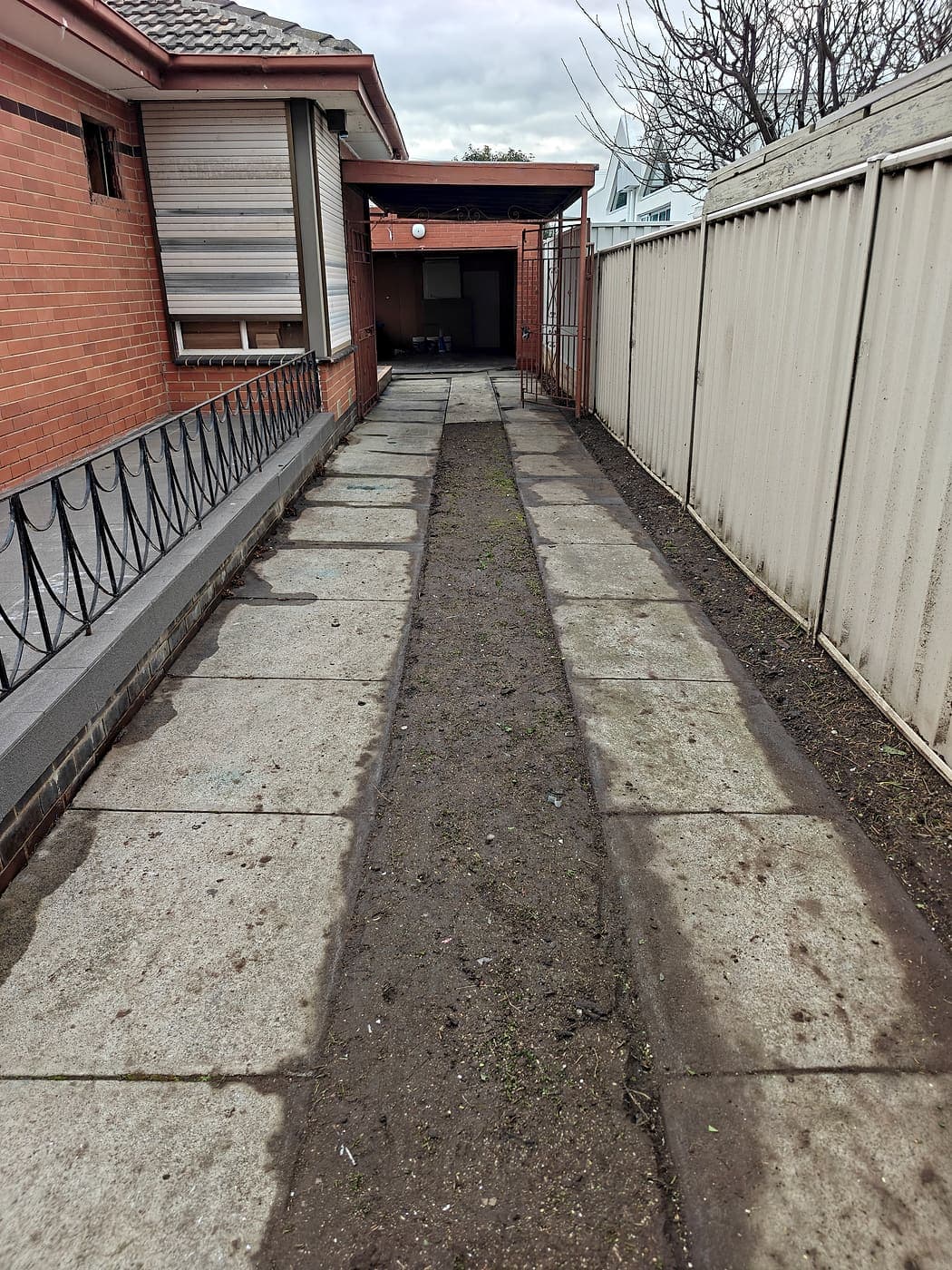
How do you get a garden ready before you go away?
Do the heavy jobs a few days before you leave, then finish with a deep watering and fresh mulch. A garden that leaves weeded, mown, soaked and mulched holds its condition far longer than one left as it was on the day you packed the car.
The order matters. Mowing, weeding and trimming disturb the garden and leave clippings and bare soil, so they come first. Watering and mulching come last, so the soil goes under cover while it is still moist.
| When | Job | Why then |
|---|---|---|
| 1 to 2 weeks out | Decide who checks the garden, test the irrigation, order mulch | Leaves time to fix a broken timer or find help |
| 2 to 4 days out | Mow and edge, weed, trim fast growers, harvest | The lawn recovers from the cut before you leave |
| 1 to 2 days out | Clear leaves and gutters in fire season, put tools away | The property is tidy and safer when empty |
| The evening before | Deep soak beds and lawn, top up mulch, move and group pots | Moisture goes in when evaporation is lowest |
| Leaving day | Water pots again, check the timer runs, leave written notes | The last check before nobody is watching |
Our Melbourne summer garden checklist covers the wider season around a summer trip, and the spring garden checklist does the same for a September or October holiday, when growth is at its fastest.
Which parts of the garden suffer first?
Pots, new plantings and seedlings suffer first, then lawns, then established beds. Plants in containers have a small volume of potting mix that dries out quickly, and anything planted in the last year has not yet grown roots deep enough to reach moisture lower in the soil.
- Pots and hanging baskets: the most at risk. Small pots in full sun can dry out within a day or two in hot weather.
- New plantings: anything planted this season, including new hedging, depends on the top layer of soil.
- Vegetable and herb beds: shallow roots, soft leaves and fruit that spoils if not picked.
- Lawns: warm-season grasses such as couch and kikuyu can brown off in a dry spell; Sustainable Gardening Australia (opens in a new tab) notes that some, like kikuyu, recover from browning off during a long dry spell.
- Established shrubs and trees: the most resilient, especially on mulched soil.
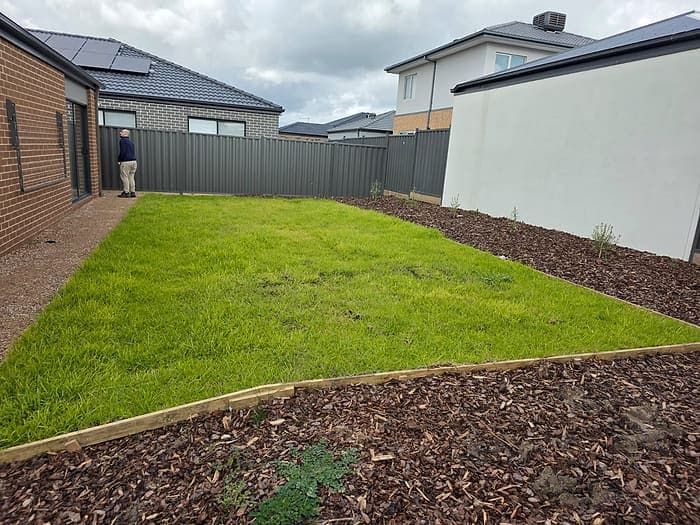
A garden on a new estate is a special case, because almost everything in it is a new planting. If that is your situation, our guide to the first year of a new build garden explains why young gardens need closer watching.
A cross-section of a backyard drawn from the side. On the left, a terracotta pot with a shallow band of moisture that shrinks first as the animation runs. Next, a newly planted shrub with a small root ball near the surface, then a lawn with roots in the top layer, and on the right an established shrub with roots reaching deep into a darker moist band of soil under a mulch layer. As the animation plays, the moist soil retreats downwards and the plants wilt in that order, from left to right, with the mulched shrub last.
How do you water deeply before leaving?
Water slowly and for longer than usual, so the moisture soaks down to the roots instead of running off. A deep soak the evening before you leave is worth several quick sprinkles.
- Check the soil first. Push a finger or trowel into each bed. If it is dry below the surface, the soil needs a long, slow soak.
- Water in stages on clay. Clay in Melbourne's north and west takes water slowly, so run water for a while, let it soak in, and come back for a second round.
- Water sandy soil last. Sandy soils in the south-east drain fast, so they need water as close as possible to the day you leave.
- Fix water-repellent patches. If water beads and runs off, rake the surface and soak again, or use a soil wetter following the label.
- Soak the lawn too. Sustainable Gardening Australia says "less frequent, deep watering is the best way to keep a healthy lawn over the long-term".
Hand watering suits this job well. Yarra Valley Water (opens in a new tab)'s rules state: "You can water gardens at anytime using a hand-held hose, watering can or bucket." A hose used for this needs a trigger nozzle and no leaks.
How should you set up pots and new plants?
Move pots into shade, group them together and stand them in trays or saucers, so they share humidity and dry out more slowly. Water them deeply before you leave and again on the morning you go.
- Group them. A cluster of pots shades its own sides and holds humid air between them.
- Shift them out of the afternoon sun. A spot on the east side of the house or under a tree gets the gentler morning sun only.
- Stand them on trays. A shallow layer of water in a tray lets the pot draw water up, but leave trays empty under plants that hate wet feet.
- Mulch the pots. A layer of fine bark on top of the potting mix slows evaporation.
- Give new plants a dish. A small ring of soil around each new plant holds water over the root ball instead of letting it run away.
Plants in the ground cannot be moved, so mulch matters most there. Spread a coarse mulch over moist soil, keeping it clear of stems; our guide on how to mulch garden beds properly gives the depths.
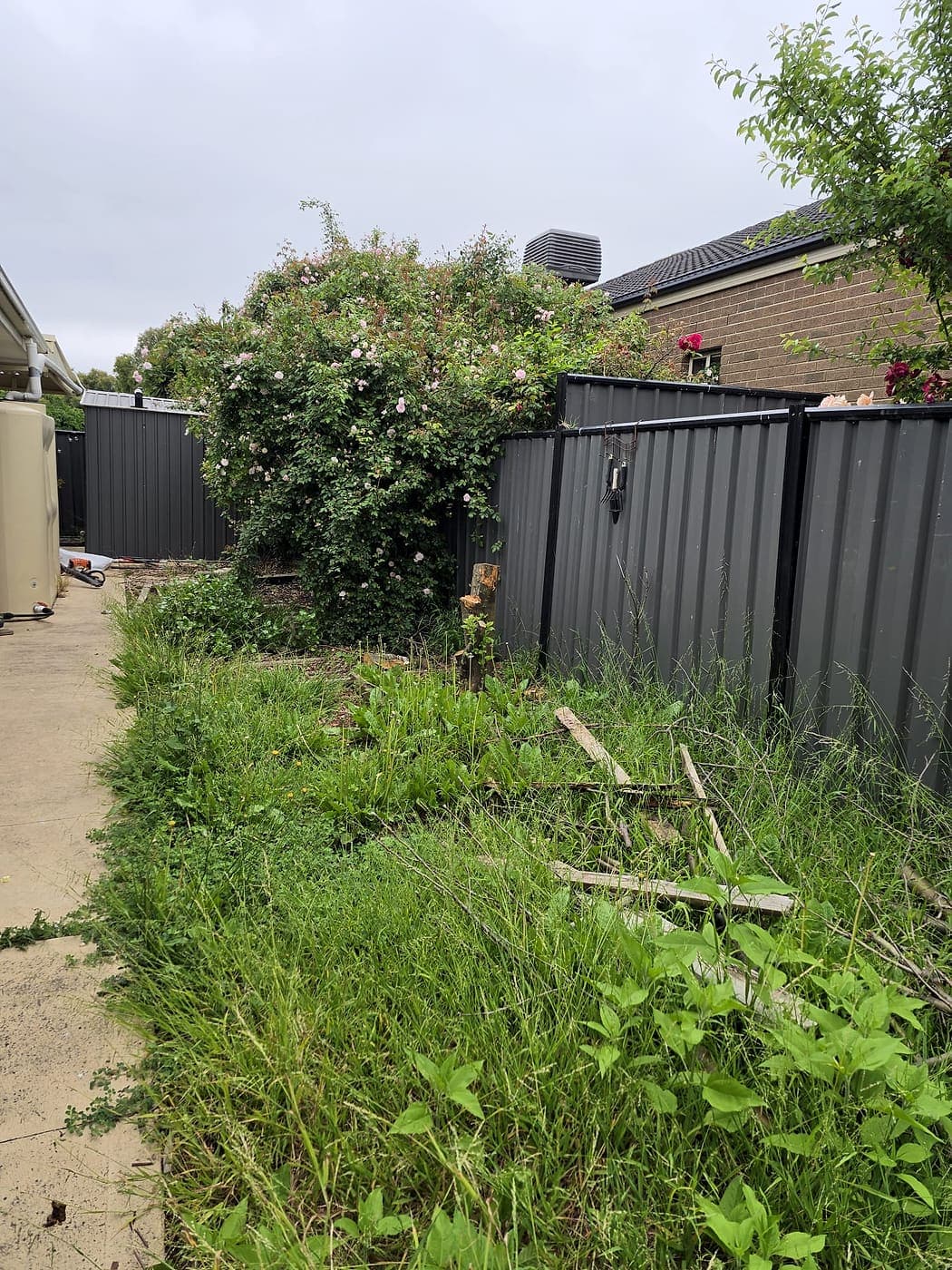
Low-tech watering for short trips
For a trip of a week or so, simple tools help a small number of pots: water spikes that screw onto bottles, wicking cords from a bucket into each pot, or self-watering pots with a reservoir in the base.
None of them replace a deep soak, and all of them run out. Test any of them for a few days before you leave so you know how long the water lasts in your conditions, and do not rely on them in a heatwave.
Who should look after the garden on a longer trip?
For trips longer than two weeks in spring or summer, someone needs to visit. Lawns keep growing, pots run dry and irrigation fails, and a garden left alone for a month at that time of year usually needs a big recovery job afterwards.
| Trip length | Season | What usually works |
|---|---|---|
| Up to 1 week | Any | Deep soak, mulch, pots in shade; a neighbour checks pots once |
| 1 to 2 weeks | Autumn or winter | Preparation alone, with a neighbour on call |
| 1 to 2 weeks | Spring or summer | Preparation plus a tested timer, and someone to check after any heatwave |
| 2 weeks or more | Spring or summer | A person visiting weekly or fortnightly for water, mowing and a quick tidy |
| 1 month or more | Any | A regular gardening visit on a set programme |
A neighbour or house sitter can handle watering. Mowing, edging and weeding over a long absence are a bigger ask, and that is where a booked gardening visit makes sense.
What to put in the instructions for a helper
Write a one-page note and leave it somewhere obvious. Include which pots and beds to water and how often, how to check the soil, how to switch the timer on and off, where the tap, hose and tools are, and what to do in a heatwave.
Add your contact number, a backup contact, and the number of whoever looks after repairs. A photo of the garden on the day you leave helps the helper see what normal looks like.
What do you need to do if you leave in fire season?
Prepare the property before you go. CFA (opens in a new tab) says that preparing your property still matters if you plan to leave early, because it makes it more likely the house will be okay when you return.
CFA's bushfire season advice includes clearing gutters of leaves, twigs and rubbish, removing fallen leaves where they gather around the home, and keeping grass trimmed to a height between 5 cm and 10 cm. It also advises moving woodpiles away from the home and using pebbles or rocks rather than flammable mulch in beds near the house.
- Mow before you leave, then arrange a mow if you are away for more than a couple of weeks in summer.
- Clear leaves from around the house, under decks and against fences.
- Move doormats, furniture and pot plants away from the house; CFA lists these for Extreme and Catastrophic days.
- Read the [CFA guide to preparing for bushfire season](https://www.cfa.vic.gov.au/fire-safety/your-fire-plan/preparing-for-bushfire-season) for your area and your fire plan.
Clearing gutters means working at height on a ladder or roof. If you are not confident on a ladder, or the roof is steep or high, book a professional gutter clean before you leave rather than doing it in a hurry. The same applies to large branches over the roof, which are tree work and need a qualified crew.
What are the common mistakes before a holiday?
Most mistakes come from rushing on the last day. These are the ones that leave the biggest recovery job.
- Mowing very short to save a mow, which stresses the grass in warm weather and lets weeds in.
- Fertilising before leaving, which pushes soft growth that needs water nobody is there to give.
- Leaving a timer untested, or set to run during the day, which breaks the water rules and wastes water.
- Mulching dry soil, which locks dryness in rather than moisture.
- Leaving fruit on the tree and on the ground, which attracts pests and leaves a mess on your return.
- Leaving hoses and tools out, where they can crack in the sun or go missing.
Coming home: the first week
Water first, then tidy. Give wilted pots and new plants a slow soak, check the beds, and look over the irrigation for leaks or broken fittings.
If the lawn has grown long, bring it down in two cuts a few days apart rather than one hard cut. Leave feeding, pruning and replanting until the garden is watered and growing normally again, usually after a week or so.
When is it worth booking a gardener while you are away?
When the trip is longer than two weeks in spring or summer, when nobody nearby can help, or when the garden is large. A regular visit keeps the lawn mown, the beds weeded and the pots watered, so you come home to a garden that looks cared for rather than a recovery job.
Action Garden's gardening services can be booked as a one-off visit before you leave or as weekly or fortnightly visits while you are away. If you rent out the property or are selling while travelling, our guides to garden responsibilities in a Victorian rental and getting a garden ready for sale cover those situations, and the complete guide to garden maintenance in Melbourne covers the year round. More guides sit under property care. When you know your dates, ask for a free quote.
Your Garden. Our Promise.
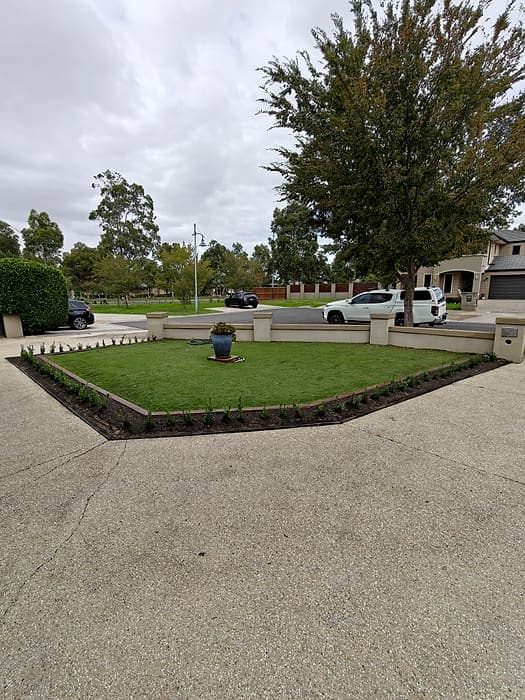
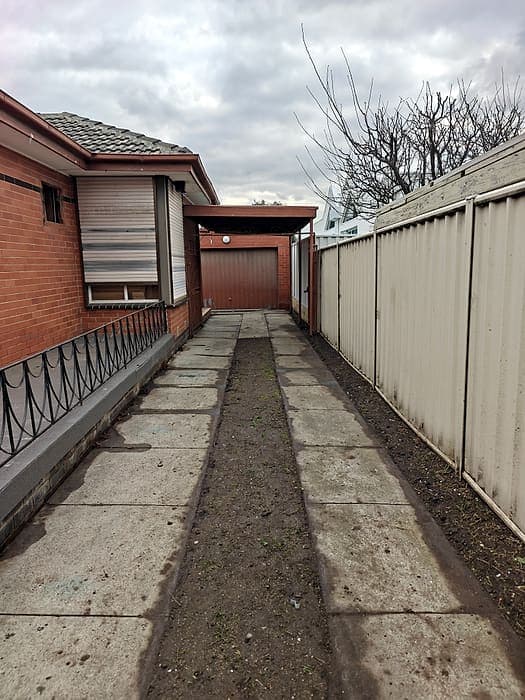
From our jobs
Frequently asked
How long can a Melbourne garden go without anyone watering it?
Is it better to water in the morning or the evening before a trip?
Can I leave a sprinkler running on a timer while I am on holiday?
Should I fertilise the garden before going away?
What should a house sitter or neighbour actually do in the garden?
Do I need to mow before leaving for a winter trip?
What should I check in the garden as soon as I get home?
Sources and further reading
- Permanent water use rules (Yarra Valley Water)
- Preparing for bushfire season (CFA)
- Minimising water use on lawns and turf (Sustainable Gardening Australia)
- Choosing mulch for your garden (Sustainable Gardening Australia)
Caring for Melbourne gardens since 2019. Updated 18 November 2026.