


Guides · 13 guides
Hedges and pruning guides for Melbourne
Hedges and pruning guides
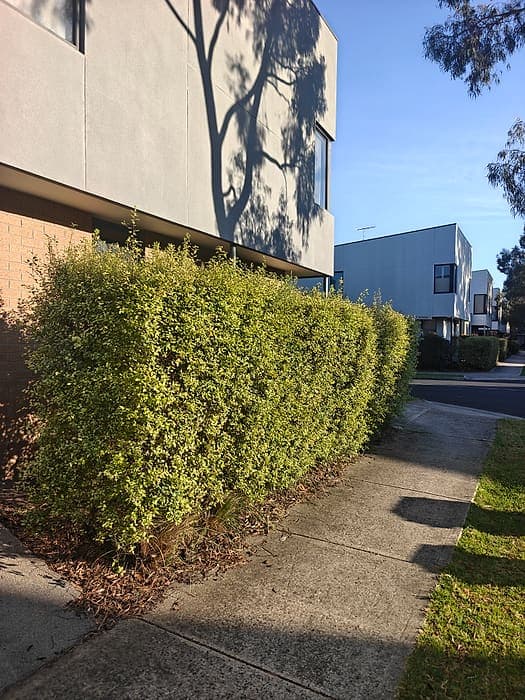
Hedge trimming and pruning in Melbourne: the complete guide
Read the guide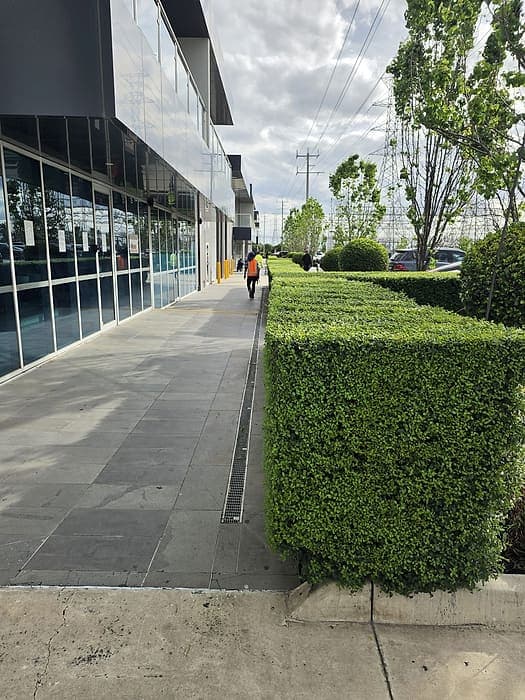
Box blight and photinia leaf spot: spotting and managing hedge diseases
Read the guide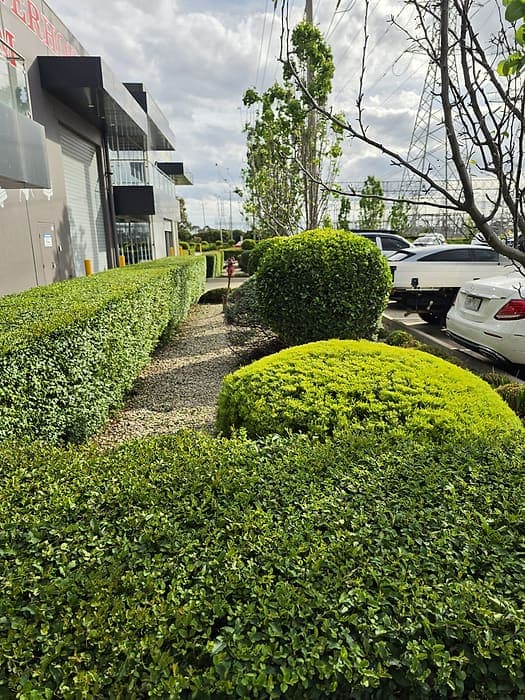
Why is my hedge brown or bare at the bottom?
Read the guide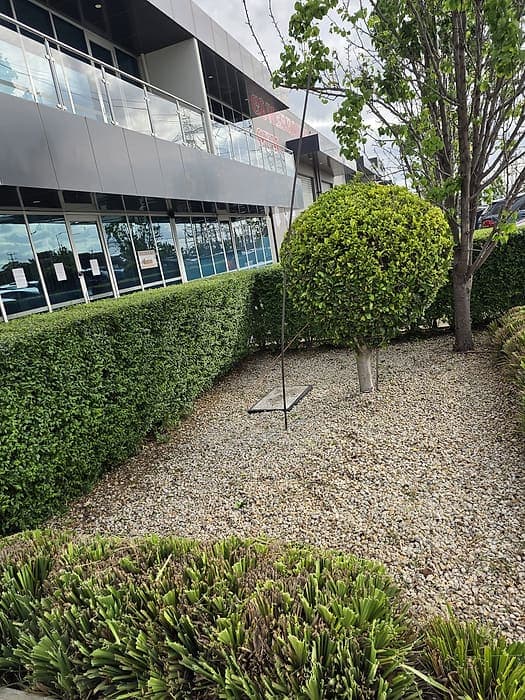
Best hedge plants for Melbourne, including fast privacy hedges
Read the guide
Hedge trimmers, shears and secateurs: which tool for which cut
Read the guide
Hedges and neighbours in Victoria: overhanging branches and where to get advice
Read the guide
How to plant a new hedge: spacing, soil and first-year care
Read the guide
How to prune common shrubs: when to cut and how much
Read the guide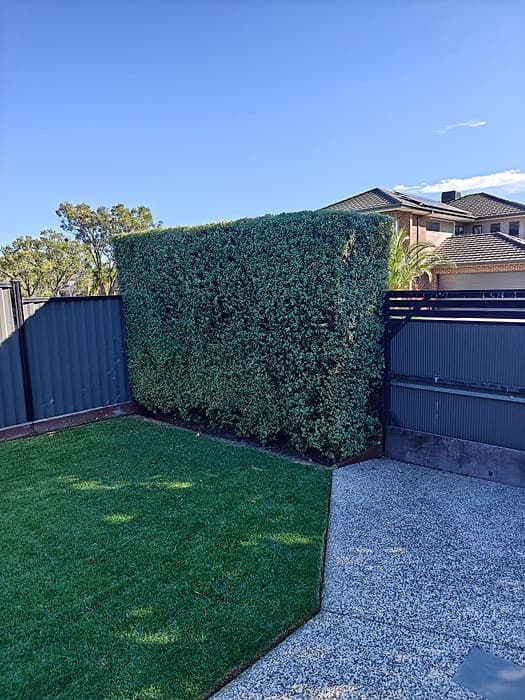
How to shape a formal hedge with a wider base
Read the guide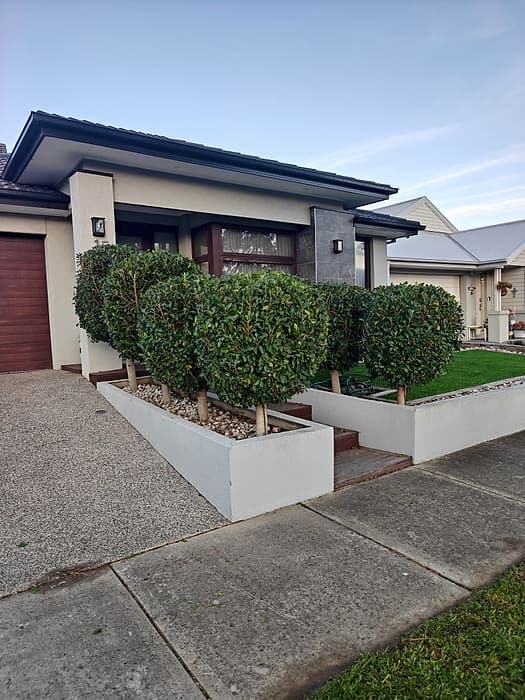
How to trim a hedge straight and level
Read the guide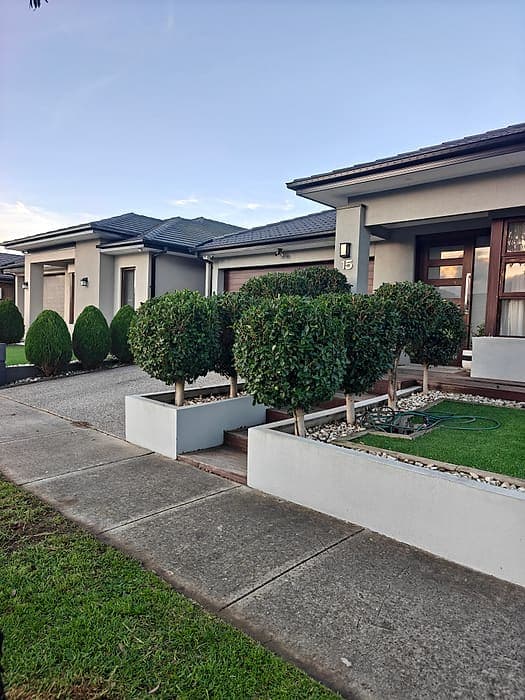
Lilly pilly psyllid: why the leaves blister and what to do
Read the guide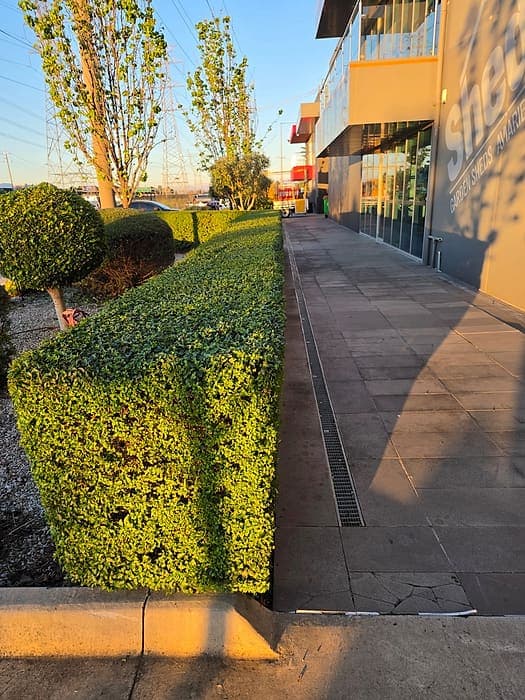
How to bring back an overgrown hedge with rejuvenation pruning
Read the guide
Shaping topiary balls and cones
Read the guideAbout this topic
Hedges and pruning in Melbourne: where to start
This topic covers hedges, screens and shrubs: when to trim them, how hard to cut, which plants make a good hedge in Melbourne and how to keep a hedge thick and green from the ground up. It also explains the difference between trimming, which keeps the outer shape, and pruning, which removes selected branches to improve health, flowering or structure. The guides cover formal clipped hedges, informal screens, flowering shrubs, natives and topiary, and how each one responds to the cut.
In Melbourne the main hedge trim usually falls in late spring, once the first flush of new growth has firmed up, with a second trim in late summer or early autumn to tidy up before winter. Fast growers may need extra trims after a wet spring. Hard renovation pruning is generally best in late winter or early spring, just before growth starts. Avoid heavy cuts during heat waves, when freshly exposed leaves can scorch, and check for nesting birds before trimming in spring.
Start with when to trim and how to shape a hedge, because a hedge that is slightly wider at the base than the top stays dense all the way down. Then read about the plant your hedge is made of, whether lilly pilly, photinia, box, murraya, viburnum or a native screen, since each grows and recovers differently. If a hedge has become too tall or bare at the bottom, the renovation guides explain what can be recovered. Check council rules for boundary hedges and corner sight lines too.
Questions
Frequently asked
Can I trim a tall hedge myself or should I hire someone?
Is it safe to use a hedge trimmer from a ladder?
Which month suits the main hedge trim in Melbourne?
Will cutting an overgrown hedge back hard kill it?
Free quote
Ready for a garden you can be proud of?
Tell us the job in 60 seconds. We answer calls 24/7.