


Hedges and pruning guide
How to prune common shrubs: when to cut and how much
By the Action Garden team · Updated · 13 min read
Checked against: Australian Plants Society Victoria, Gardening Australia, ABC, Water Victoria, WorkSafe Victoria
TL;DR
- Spring-flowering shrubs such as azaleas, camellias and may bush are pruned straight after they flower, or you cut off next year's buds.
- Shrubs that flower on new growth, such as abelia, plumbago and buddleja, are pruned in late winter or early spring.
- Take about a third of the growth at most in one go, and always leave green leaves on every stem you cut.
- Lavender, rosemary, leptospermum and banksias do not reliably reshoot from bare wood, so keep every cut within the leafy part.
- In Melbourne, hold hard cuts on frost-tender shrubs until mid spring, and avoid heavy pruning in summer heatwaves.
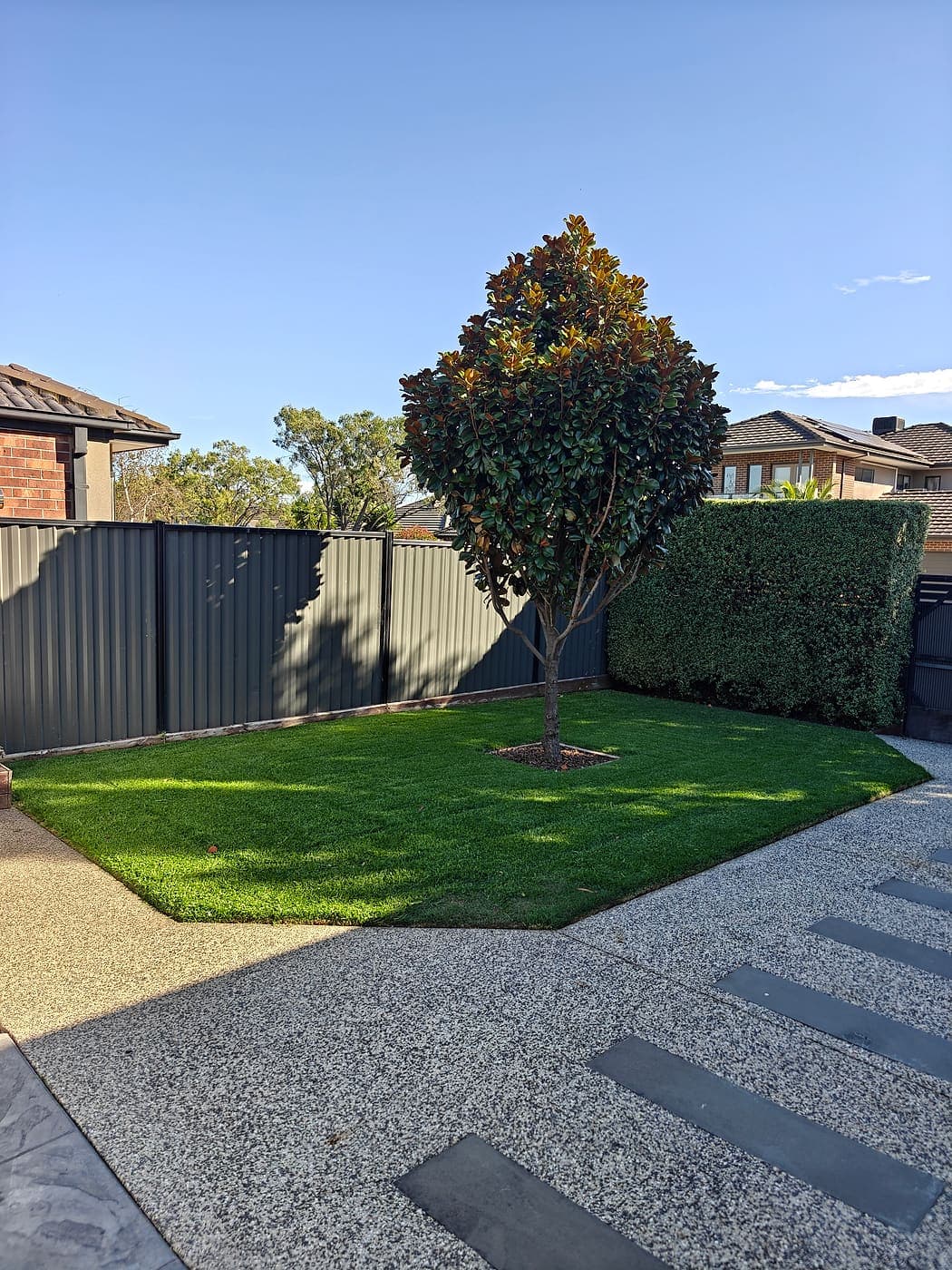
| Shrub group | When to prune | How much |
|---|---|---|
| Spring flowering (azalea, camellia, may bush) | Straight after flowering | Up to a third; tip back and thin |
| Summer and autumn flowering (abelia, plumbago, buddleja) | Late winter to early spring | A third to two thirds for vigorous types |
| Hydrangea (mophead, lacecap) | Winter | Flowered stems back to a pair of fat buds |
| Natives (grevillea, correa, bottlebrush) | Straight after flowering | Tip prune; about a third of new growth |
| Grey-leaf (lavender, rosemary, westringia) | After flowering | Light; never into bare wood |
| Foliage shrubs (pittosporum, murraya, photinia) | Spring to early autumn | Light trims; last one before the cold |
Why does timing matter so much when you prune a shrub?
Timing decides whether you get flowers. A shrub that has already formed next season's buds loses them if you cut at the wrong time, while a shrub that flowers on new growth needs a cut before that growth starts.
Pruning also triggers growth. A cut made in late winter or spring is followed by a flush of new shoots as the weather warms, which is what you want. The same cut made in late autumn can push soft growth that frost then damages, and a hard cut in a Melbourne heatwave exposes inner stems to sunburn.
The Australian Plants Society Victoria (opens in a new tab) puts the best times in Victoria as "late winter to early summer and late summer to early winter", depending on local weather. Within those windows, the shrub's flowering habit sets the exact moment. Hedges follow their own calendar, covered in our species by species hedge trimming calendar; this guide is about shrubs grown as individual plants in beds and borders.
How do you know which group your shrub belongs to?
Sort it by when it flowers and whether it reshoots from old wood. Those two questions place almost every common Melbourne garden shrub into one of five groups, each with its own timing and depth of cut.
| Group | Flowers on | Prune | Reshoots from bare wood? |
|---|---|---|---|
| Spring flowering exotics | Last year's stems | Straight after flowering | Most do |
| Summer and autumn flowering | This season's growth | Late winter to early spring | Most do |
| Mophead and lacecap hydrangeas | Buds set the previous year | Winter, to fat buds | Yes |
| Australian natives | Varies; mostly new tips | Straight after flowering | Some yes, many no |
| Grey-leaf Mediterranean shrubs | New tips | After flowering, lightly | Rarely |
If you are not sure what you have, watch it for one season before you prune hard. Note when it flowers and where the flowers sit, then plan the cut for straight after the main flush. A light tidy at the wrong time does little harm; a hard cut at the wrong time costs a year of flowers.
Plant profiles
Plant profiles: common Melbourne shrubs and how to cut them
Azalea and camellia. Spring flowering, set buds over summer and autumn. Prune as the last flowers fade; light shaping each year keeps them compact.
May bush (Spiraea) and deutzia. Spring flowering on arching stems. After flowering, cut a third of the oldest stems to the base rather than shearing the tips.
Abelia. Flowers on new growth from late spring into autumn. Tidy in late winter; renew a few old stems at the base every year or two.
Plumbago. Fast, flowers on new growth over summer. Cut back by a third to a half in early spring, after the cold has passed.
Hibiscus. Frost tender in colder Melbourne pockets. Prune in mid to late spring; vigorous plants by half, delicate ones by a third.
Hydrangea (mophead and lacecap). Prune in winter, cutting flowered stems to a pair of fat buds and leaving stems that did not flower alone.
Grevillea. Tip prune after flowering. Many respond well to harder cuts; the APS Victoria notes straggly plants can be cut near ground level in spring.
Correa. Prune straight after the main winter flowering, then tip prune. The APS Victoria does not recommend hard pruning.
Bottlebrush (Callistemon). Cut behind the spent brushes after flowering. Most take heavy pruning, but the APS Victoria warns weeping bottlebrush (C. viminalis) types can be damaged.
Lavender, rosemary and westringia. Trim after flowering into the leafy part only; keep green leaves on every stem.
How much of a shrub can you cut off at once?
About a third of the growth is the safe limit for most shrubs in one session. The APS Victoria's general rule is to cut back roughly a third of the new growth and "always ensure some green leaves remain", and Gardening Australia gives the same one-third guide for most plants.
The leaves left behind feed the shrub while it regrows. Take too much and a healthy plant can stall for a season; on a shrub that does not reshoot from bare wood, it can die. Vigorous summer-flowering shrubs are the exception: plumbago, buddleja and hibiscus regrow strongly from harder cuts, and Gardening Australia suggests cutting woody perennials such as buddleja back by two thirds.
If a shrub needs a cut of more than a third, spread it over two or three seasons. Take the worst third this year, another third next year, and the shrub keeps enough leaf to regrow at each stage.
Thinning cuts or heading cuts: which to use
A thinning cut removes a whole stem at its point of origin, either at a branch junction or at the base. It opens the shrub up, lets light into the centre and keeps the natural shape, without triggering a burst of new shoots at the cut.
A heading cut shortens a stem to a bud partway along it. It makes the shrub denser, because several buds below the cut wake up and grow. Shearing is a series of heading cuts all over the outside.
Most shrubs look best with a mix: thin first to open the centre and remove old wood, then head back the outer stems lightly to tidy the shape. A shrub that is only ever sheared ends up with a dense shell of leaves over a bare, dark interior, which is fine for a formal hedge but not for a flowering shrub.
Where exactly should you make each cut?
Cut about 5 mm above a bud, leaf node or side shoot, on a slight angle that slopes away from the bud. Choose a bud that faces outwards, so the new shoot grows away from the centre of the shrub.
The APS Victoria advises cutting "just above a leaf node", where new shoots form, and angling the cut so water runs off. A cut made too far above the node leaves a stub that dies back; a cut made too close can damage the bud itself.
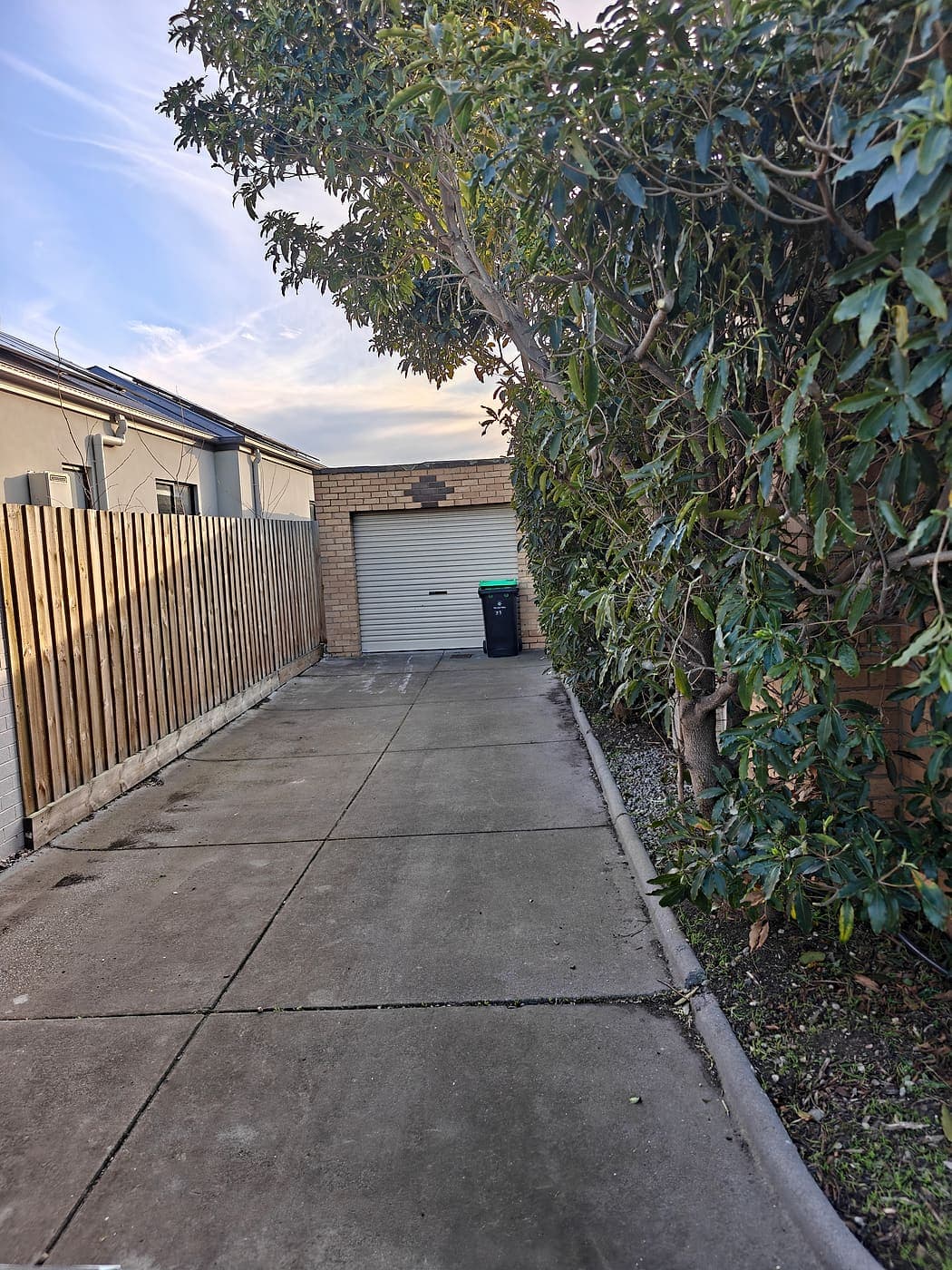
A single shrub stem drawn upright, with leaf nodes along it and an outward-facing bud near the top. A line shows the correct cut about 5 mm above the bud, sloping down and away from it. A second, crossed-out line shows a long stub left well above a node, with the stub turning brown and dying back. A third panel shows a whole shrub from the side: one third of the oldest stems cut at the base, the outer stems shortened by up to a third, and green leaves left on every stem.
For older stems too thick for secateurs, use loppers or a pruning saw and cut back to a strong side branch or to the base. Never tear a stem off by twisting; a ragged wound heals slowly and lets disease in. The hedge trimmers, shears and secateurs comparison explains which tool suits which thickness of stem.
How do you prune a shrub, step by step?
Work from the inside out: remove what is dead or diseased, thin what is crowded, and only then shorten the outer growth. That order means every cut has a purpose and you stop before you over-prune.
- Clean your tools. Wipe the blades of secateurs and loppers with methylated spirits or a disinfectant, and again between plants if any look diseased.
- Take out the dead wood. Cut dead, broken and diseased stems back to healthy wood. Dead wood is brittle and grey or brown under the bark.
- Thin the centre. Remove stems that cross or rub, and any that grow straight into the middle of the shrub.
- Renew the base. On multi-stemmed shrubs, cut up to a third of the oldest stems right down at ground level.
- Shorten the outer stems. Head back the remaining stems by up to a third, each to an outward-facing bud, following the shrub's natural outline rather than a box.
- Step back often. Look at the shrub from all sides every few cuts. It is easy to take more; you cannot put it back.
- Clean up and water. Rake out the cuttings, water deeply if the soil is dry, and refresh the mulch, keeping it clear of the stems.
When watering in after a hard prune, Victoria's permanent water saving rules (opens in a new tab) allow a hand-held hose with a trigger nozzle at any time, while "sprinklers and watering systems can only run between 6pm and 10am".
How do you prune Australian native shrubs?
Prune most natives lightly and often, straight after flowering. Tip pruning, nipping off the soft end of each shoot, keeps grevilleas, correas and westringias bushy and covered in flowers, where an occasional hard cut can leave them bare.
Gardening Australia's native pruning advice is to tip prune just after flowering, and to nip 10 to 20 centimetres off the tips if a plant becomes top-heavy. Cut grevilleas, hakeas, banksias and bottlebrushes back to just behind the spent flowers as they finish, which also stops them putting energy into seed.
The big difference with natives is how they respond to cuts into old wood. The APS Victoria notes that melaleucas "all respond well" and some tolerate pruning to bare wood, and that some grevilleas and hakeas can be cut near ground level in spring. Leptospermum (tea tree) is the opposite: hard pruning into old wood may kill it or cost the next season's flowers. Banksias can be pruned hard only if you stay above the lowest green foliage.
Natives that sprout from a lignotuber
Some Australian shrubs grow a woody swelling at the base, called a lignotuber, which holds dormant buds and food reserves. It is an adaptation to fire: when the top is burnt, the plant reshoots from the base.
In a garden, that means some lignotuberous species can be cut almost to the ground to renew them. The APS Victoria notes this for some fire-prone banksias. It only works on species that actually have a lignotuber, so check the species before trying it; most garden cultivars of correa, westringia and leptospermum do not respond this way.
How do you rescue a leggy or overgrown shrub?
Decide first whether the shrub can reshoot from old wood. If it can, renew it in stages over two or three years; if it cannot, shape what is left gently or replace it.
For shrubs that reshoot well, such as abelia, plumbago, may bush and many grevilleas and melaleucas, use staged renewal. In late winter or after flowering, cut a third of the oldest stems to the base, and repeat each year until the whole shrub is young wood. Feed and water through the following spring so the new stems grow away strongly.
A shrub that is mostly bare wood with a few leaves at the tips is a different case. Lavender, rosemary, older westringias and tea trees in this state rarely recover from a hard cut, and replacing them with a young plant is often quicker. Shrubs grown as formal shapes follow different rules again, covered in our guide to shaping topiary balls and cones.
What to do after a hard renewal cut
A shrub that has lost a lot of leaf needs help to regrow. Water deeply once a week in dry spells, rather than a little every day, so the roots go down.
Spread compost or a slow-release fertiliser over the root zone in spring, following the label, then mulch to keep the soil cool. When the new shoots reach about 20 to 30 centimetres, pinch out their tips so they branch and fill the gaps, rather than shooting up as long, bare stems.
What pruning mistakes should you avoid?
Most pruning problems come from cutting at the wrong time or taking too much. Avoid these and most shrubs recover from almost anything else.
- Winter pruning spring bloomers. Azaleas, camellias and may bush lose a whole season of flowers.
- Shearing everything into balls. Flowering shrubs end up with a dense outer shell, a dark centre and fewer flowers.
- Cutting grey-leaf shrubs into bare wood. Lavender and rosemary rarely reshoot from it.
- Leaving stubs. Long stubs above a bud die back and invite rot.
- Taking more than a third at once from a shrub that is already stressed, dry or old.
- Hard pruning before the last frost on hibiscus, plumbago and other tender shrubs.
- Pruning in a heatwave, which sunburns the newly exposed stems.
- Using blunt or dirty tools, which crush stems and spread disease between plants.
Late winter is the busiest pruning window of the year, and our list of late winter pruning jobs sets out what else can be cut before spring. Roses have their own method, covered in the step by step guide to pruning roses.
Pruning shrubs from the ground with hand tools is a safe job for most people. Get help when a shrub is taller than you can reach from the ground, since WorkSafe Victoria (opens in a new tab) notes overreaching is the main contributor to falls from ladders, or when the work needs a powered hedge trimmer or chainsaw. Wear gloves and eye protection with sap that irritates skin, such as euphorbias, and with toxic shrubs such as oleander, and never burn oleander prunings. A shrub that has grown into power lines must be left to the electricity distributor or its contractors.
Should you prune shrubs yourself or hand it over?
Most home gardeners can handle a few shrubs a year with sharp secateurs and the timing in this guide. It is worth handing over when you have a large garden with many species, each with its own window, or a garden that has been left to grow out of shape.
Our hedge trimming and pruning service covers selective pruning for plant health as well as hedges, timed to the species, with all the cuttings taken away. For the bigger picture of how shrubs, hedges and screens fit together across the year, read our complete guide to hedge trimming and pruning in Melbourne, browse the other hedges and pruning guides, or learn how to trim a hedge straight and level.
When you are ready, get a free quote.
Your Garden. Our Promise.
From our jobs
Frequently asked
How do I tell whether a shrub flowers on old wood or new wood?
Can I cut a leggy lavender back to its bare woody stems?
What is renewal pruning on a multi-stemmed shrub?
Should azaleas and camellias be pruned in winter?
When should a hibiscus be cut back in Melbourne?
How do I prune a mophead hydrangea without losing next year's flowers?
Is it safe to prune shrubs during a heatwave?
Can I compost shrub prunings that have scale or sooty mould on them?
Sources and further reading
- Pruning Australian native plants (Australian Plants Society Victoria)
- Just prune it (Gardening Australia, ABC)
- Pruning hibiscus (Gardening Australia, ABC)
- Pruning natives (Gardening Australia, ABC)
- Permanent water saving rules (Water Victoria)
- Using portable ladders in the workplace (WorkSafe Victoria)
Caring for Melbourne gardens since 2019. Updated 18 November 2026.