


Hedges and pruning guide
Best hedge plants for Melbourne, including fast privacy hedges
By the Action Garden team · Updated · 11 min read
Checked against: Monash City Council, Maroondah City Council, Sustainable Gardening Australia, Australian Plants Society Victoria, Royal Horticultural Society, Bureau of Meteorology, CFA
TL;DR
- Pick the hedge for its final height and width first; a fast plant in the wrong spot means trimming forever.
- For quick privacy, psyllid-resistant lilly pilly, sweet viburnum and photinia all grow fast and take a hard cut if they get away.
- Leighton green is the fastest tall screen but will not regrow from brown wood, so it needs regular trims from day one.
- Box, westringia and correa suit low, neat hedges; murraya needs a warm, sheltered spot away from frost.
- Sweet pittosporum, privet and cotoneaster are listed as environmental weeds by Melbourne councils, so choose something else.
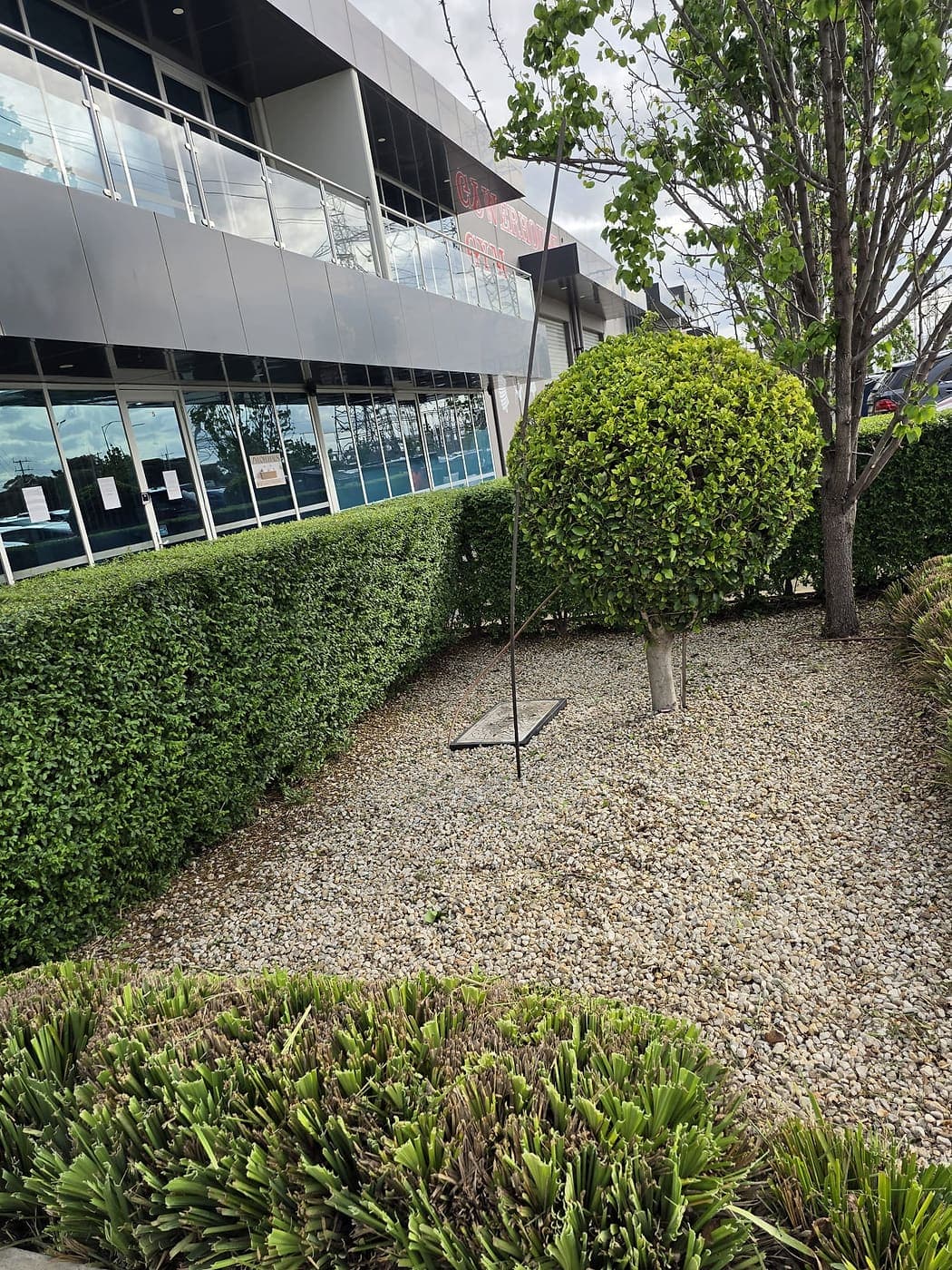
| Hedge goal | Good choices | Notes |
|---|---|---|
| Tall privacy screen, fast | Leighton green, sweet viburnum, psyllid-resistant lilly pilly | Plan for at least two trims a year once established |
| Medium hedge, 1.5 to 3 metres | Photinia, lilly pilly, pittosporum James Stirling or Silver Sheen | All take regular shearing well |
| Low formal edging under 1 metre | Japanese box, English box, dwarf westringia | Slow, so buy closer to final size |
| Native or wildlife-friendly | Westringia, correa, small-leaf lilly pilly | Light, frequent trims; avoid cutting into bare wood |
How do you choose the right hedge plant for a Melbourne garden?
Start with the finished height and width you want, then the sun, the soil and how often you are willing to trim. The plant that grows fastest is rarely the best choice on its own; the best hedge is the one that stops at roughly the size you need and stays dense when you cut it.
Four questions narrow the list quickly:
- How tall and how wide? A 1 metre front edging, a 2 metre fence-top screen and a 4 metre block-out need different plants. Check the mature size on the label, not the size in the pot.
- How much sun? Most hedges want at least half a day of sun to stay dense to the ground. A south-facing side passage is a different job to a west-facing front fence.
- What soil? Heavy clay in the north and west holds water in winter and cracks in summer. Sandy soils in the south-east drain fast and dry out quickly.
- How often will it be trimmed? A formal box hedge needs regular light cuts. A loose native screen may need only one or two tidies a year.
Whatever you choose, the long-term look depends on how it is cut. Our complete guide to hedge trimming in Melbourne covers timing and technique for each of the species below.
What are the fastest hedge plants for privacy?
Leighton green, sweet viburnum and the vigorous lilly pillies are the usual fast privacy hedges in Melbourne. Photinia is close behind. All four can put on a lot of growth in a warm, wet season, which is exactly what you want while the screen is filling in, and exactly what you pay for in trimming later.
Side by side
Fast privacy hedges side by side
| Plant | Speed | Takes a hard cut? | Frost | Watch out for |
|---|---|---|---|---|
| Leighton green (x Cuprocyparis leylandii) | Very fast | No, not into brown wood | Hardy | Gets huge if missed; bare patches are permanent |
| Sweet viburnum (Viburnum odoratissimum) | Fast | Yes | Hardy once established | Large leaves look ragged if cut with a trimmer |
| Lilly pilly, Acmena types | Fast | Yes | Mostly hardy; young plants may scorch | Choose psyllid-resistant types |
| Lilly pilly, Syzygium australe types | Fast | Yes | Mostly hardy | Prone to psyllid leaf blister |
| Photinia (Photinia x fraseri) | Moderate to fast | Yes | Hardy | Leaf spot in humid, crowded hedges |
| Pittosporum James Stirling or Silver Sheen | Moderate to fast | Moderately | Hardy | Can drop lower leaves if crowded |
Speeds are relative, for an established hedge in a sunny Melbourne garden. Check the nursery label for mature size.
A fast hedge is a commitment. Once it reaches the height you want, it keeps growing at the same rate, so a missed season can put it a metre over the fence. If the hedge is going along a boundary, read our guide to hedges and neighbours in Victoria before you plant, so you know who trims what and where the cuttings go.
Why Leighton green needs trimming from the first year
Leighton green is a conifer, and like most conifers it does not grow back from old, brown wood. The Royal Horticultural Society (opens in a new tab) notes that most conifers apart from yew "do not respond well to renovation" because they do not regrow from old wood.
That means you cannot let it get too big and then cut it back hard. Trim the sides lightly from the first year, take only green growth, and stop it at the height you want before it gets there. A Leighton green hedge that has been left untrimmed for years usually cannot be brought back to a neat, green face.
Which lilly pilly is best for a Melbourne hedge?
Choose an Acmena smithii type, such as the small-leaf lilly pilly, or a Syzygium luehmannii type if leaf blister worries you. Syzygium australe and Syzygium paniculatum types grow just as well but are the most affected by lilly pilly psyllid.
The psyllid is a small sap-sucking insect. Its young settle on soft new growth and cause the pimply, blistered leaves that many Melbourne lilly pilly hedges show in spring and autumn. It rarely kills the hedge, but a badly affected hedge looks tired for much of the year. Our guide to lilly pilly psyllid explains what the blisters are and how trimming affects them.
When you buy, read the label carefully. Lilly pillies are sold under many cultivar names, some of them within the susceptible species. A label that names the species, not only the cultivar, helps you choose.
Which hedges suit low formal edging?
Box is the classic low formal hedge, with Japanese box (Buxus microphylla var. japonica) growing a little faster and handling Melbourne summers slightly better than English box (Buxus sempervirens). Dwarf westringia and correa give a softer, native version of the same look.
Box is slow. That is its strength once it is established, because it holds a crisp shape for months, but it means you should buy plants closer to the final size if you want a hedge this year. Plan on a firm edge of 300 to 600 mm high for paths and beds, and keep the base a little wider than the top so the lower leaves stay green. Our guide on how to shape a formal hedge with a wider base shows how to set that profile from the first trim.
Plant profiles
Plant profiles: Melbourne hedge plants
Lilly pilly (Acmena smithii types). Glossy evergreen, fast, takes hard cuts. Fine for 1.5 to 4 metre screens. Less affected by psyllid than Syzygium australe types.
Sweet viburnum (Viburnum odoratissimum). Large glossy leaves, fast and tough. Good for tall screens. Looks best cut with care, since trimmers shred the big leaves.
Photinia (Photinia x fraseri). Bright red new growth after each trim, tough in heat and frost. Needs airflow to limit leaf spot.
Pittosporum (James Stirling, Silver Sheen). Fine, light leaves on dark stems. A good mid-height screen; dislikes wet feet in heavy clay.
Leighton green (x Cuprocyparis leylandii). The fastest tall conifer screen. Needs regular trimming of green growth only.
Box (Buxus). Small leaves, slow, the standard for low formal edges and parterres. Needs a free-draining spot.
Murraya (Murraya paniculata). Scented white flowers, glossy leaves. Best in warm, sheltered gardens; frost-tender in colder suburbs.
Westringia (Westringia fruticosa). Native coastal rosemary, grey-green, tough in sun, wind and dry spells. Light, frequent trims.
Correa. Native, small and dense, with bell flowers that feed honeyeaters in the cooler months. Good for low, informal hedges.
Which native plants make good hedges in Melbourne?
Westringia, correa and the small-leaf lilly pillies are the most reliable native hedges, and they suit a garden that wants lower water use and food for birds. Native hedges are usually best with frequent light trims rather than one heavy cut a year.
The Australian Plants Society Victoria (opens in a new tab) advises that hedges and screens are kept dense "with regular light pruning", and gives a general rule of cutting back about a third of the new growth while always leaving some green leaves. That rule matters, because many natives respond poorly to being cut into bare wood. The society warns that hard pruning into old wood can kill some leptospermums, melaleucas and hakeas, and that banksias "will not reshoot from a leafless stem".
Native hedges and wildlife
A dense native hedge gives small birds cover from larger, aggressive birds and from cats. Correa flowers feed honeyeaters in autumn and winter, and westringia flowers on and off for much of the year.
If wildlife is part of the reason for the hedge, trim in stages rather than all at once, and check for nests before cutting in spring. Spring is breeding season for many native birds, and destroying an active nest is an offence under Victoria's wildlife laws.
Which hedge plants should you avoid in Melbourne?
Avoid sweet pittosporum (Pittosporum undulatum), privet (Ligustrum lucidum) and cotoneaster. Monash and Maroondah councils both list these as environmental weeds, and Monash also lists mirror bush (Coprosma repens) and hawthorn. Birds eat the berries and drop the seed in bushland and creek corridors, where the plants crowd out local species.
Many older Melbourne gardens already have these hedges. You do not have to pull out an established hedge overnight, but trimming before it fruits reduces the seed it spreads, and a staged replacement is worth planning. Sustainable Gardening Australia (opens in a new tab)'s article on environmental weeds explains how garden plants become weeds and why some natives from other parts of Australia escape here too.
Lists differ between councils, and they are updated. Search your council's website for its environmental weed list before you buy.
Hedges and bushfire risk on the urban fringe
If you live in a bushfire-prone area on Melbourne's edge, how close and how dense a hedge is to the house matters. CFA (opens in a new tab)'s property preparation advice includes keeping shrubs away from windows and the house, and using pebbles or rocks in garden beds near the house rather than flammable mulch.
Conifer hedges with a build-up of dead material inside are a particular concern near buildings. If your property is in a bushfire overlay, check CFA guidance and your council's requirements before planting a dense hedge against the house.
How does Melbourne's soil change which hedge you pick?
Clay soils in the north and west suit the tough, adaptable hedges: photinia, sweet viburnum, Acmena lilly pillies and westringia. Sandy soils in the south-east suit most hedges if they are watered in their first two summers, and favour drought-tolerant natives such as westringia and correa.
Clay (much of the north and west)
Clay holds water, which helps through summer but can drown roots in a wet winter. Box and pittosporum are the most likely to sulk in a waterlogged spot. Dig the planting trench wide, break up the sides so roots can move out, mix in compost and plant slightly high so the crown sheds water.
Sand (much of the south-east and bayside)
Sand drains quickly and holds few nutrients, so new hedges dry out fast. Mulch the trench after planting, water deeply rather than often, and feed lightly in spring. Under Victoria's permanent water saving rules, watering systems can run only between 6pm and 10am, while a hand-held hose with a trigger nozzle can be used at any time.
A simple chart with three hedge heights along the bottom: low (under 1 metre), medium (1.5 to 3 metres) and tall (over 3 metres). Above each, two rows of plant icons: one for full sun, one for part shade. Low and sunny shows box and westringia; low and shady shows box. Medium and sunny shows photinia, pittosporum and lilly pilly; medium and shady shows camellia sasanqua and lilly pilly. Tall and sunny shows Leighton green, sweet viburnum and lilly pilly. A small frost icon marks murraya as warm suburbs only.
What mistakes do people make when choosing a hedge?
The common mistakes are buying for speed alone, ignoring the mature width, and planting a single species that turns out to be prone to a pest or disease. All three are easy to avoid at the nursery.
- Planting a giant for a small job. A Leighton green to hide a 1.8 metre fence will keep trying to grow far above it for the rest of its life.
- Forgetting width. A hedge that is 1.5 metres wide takes that much off a side path or lawn. Our post on screening plants for narrow side passages covers slim options where space is tight.
- Planting into the fence line. Plant far enough off the boundary that you can reach the back face to trim it without going onto your neighbour's land.
- Using only one species on a long run. A whole run can be affected at once if a pest or disease suited to that plant arrives. Two or three compatible species reduce that risk.
- Skipping the formative trims. A young hedge that is never tip-pruned grows tall and leggy. Light trims in the first two years build the dense base.
- Choosing a listed weed. Check the council list before you buy.
The cutting habits that follow planting matter just as much. Our post on pruning mistakes that ruin hedges and shrubs lists the ones we see most often.
Planting a hedge is safe DIY, but removing an old one is not always. Get help if the old hedge has trunks thicker than your wrist, if it sits under power lines, or if roots run near pipes or paths. Tall hedges need ladders or platforms, which is where most garden injuries happen.
When should you plant a new hedge in Melbourne?
Autumn is the best time to plant most hedges in Melbourne, with spring as the second choice. Autumn soil is still warm, rain is on the way and the plants have months to root in before summer. Spring planting works but needs more watering through the first summer.
Plant frost-tender hedges such as murraya in spring once frost has passed, especially in the outer suburbs. Avoid planting in the heat of January and February, when Bureau of Meteorology averages show the highest temperatures of the year at Olympic Park.
Once the hedge is in, the job becomes regular trimming. If an existing hedge has already grown too big and bare, our guide to rejuvenation pruning for an overgrown hedge explains which of these plants will come back from a hard cut and which will not.
Is it worth having your hedges trimmed for you?
A new hedge is far easier to keep neat than to rescue, so the first few years of trims matter. If you would rather hand that over, our hedge trimming and pruning service covers formal or natural shaping and a full clean-up, one-off or on a seasonal schedule. You can read more in our hedges and pruning guides, or send a few photos through our free quote form.
Your Garden. Our Promise.
From our jobs
Frequently asked
What is the fastest growing hedge for privacy in Melbourne?
Which lilly pilly is least affected by psyllid for a Melbourne hedge?
What hedge grows well in heavy clay in Melbourne's north and west?
Which hedge plants handle shade on the south side of a house?
Is murraya a good hedge choice for a cold Melbourne suburb?
Should I avoid sweet pittosporum as a hedge in Melbourne?
How far apart should hedge plants be spaced for a dense screen?
Sources and further reading
- Environmental weeds (Monash City Council)
- Environmental weeds (Maroondah City Council)
- Environmental weeds: native invaders and eager exotics (Sustainable Gardening Australia)
- Pruning Australian native plants (Australian Plants Society Victoria)
- Hedge renovation (Royal Horticultural Society)
- Melbourne (Olympic Park) climate statistics (Bureau of Meteorology)
- How to prepare your property (CFA)
Caring for Melbourne gardens since 2019. Updated 18 November 2026.