


Hedges and trees
Pruning mistakes that ruin hedges and shrubs
By the Action Garden team · Updated · 11 min read
Checked against: Australian Plants Society Victoria, Royal Horticultural Society, City of Whitehorse, Bureau of Meteorology
TL;DR
- Timing first: flowering shrubs cut at the wrong time lose next season's flowers, and hard cuts in heat or late autumn leave scorched or bare plants.
- Conifers, lavender, banksias, tea trees and several other plants do not reshoot from bare wood, so a deep cut can be permanent.
- A hedge must be wider at the base than the top; the reverse shades out the bottom and leaves bare stems.
- Take no more than about a third of the new growth at a time, and bring back overgrown hedges in stages over two or three years.
- Clean cuts to a bud, branch or collar with sharp, clean tools heal well; stubs, tears and blunt blades invite dieback and disease.
Which pruning mistakes do the most damage?
The mistakes that do lasting damage are the ones a plant cannot grow out of: cutting into bare wood on species that will not reshoot, shaping a hedge so its base is starved of light, and removing so much at once that the plant cannot recover. Mistimed cuts and untidy cuts lose you a season of flowers or growth; those three can kill the plant.
Our view is simple. Most pruning damage is not caused by people who know nothing, but by people cutting every plant the same way, at the same time, with the same tool. A box hedge, a lavender, a camellia and a lilly pilly screen each need something different, and treating them alike is where the trouble starts.
This post goes through the mistakes one by one, with what to do instead. For technique and timing in depth, our complete guide to hedge trimming in Melbourne is the place to start.
Mistake 1: is pruning at the wrong time really that bad?
Yes, because timing decides whether you cut off next season's flowers, scorch fresh leaves or leave a plant bare for months. Most shrubs and hedges forgive a slightly late trim; the costly mistakes are flowering shrubs cut after their buds have formed, and hard cuts in extreme heat or late autumn.
Flowering shrubs. Plants that flower on last season's growth, such as camellias, many viburnums, correas and grevilleas, should be pruned straight after flowering. Australian Plants Society Victoria (opens in a new tab) advises against pruning natives while flower buds are forming if you want next season's flowers. Cut a sasanqua camellia in midsummer and you remove the buds for autumn.
Heat. Melbourne's summer days average around 26 to 27°C at Olympic Park in January and February, according to the Bureau of Meteorology (opens in a new tab), with much hotter spells. A hard trim before a heatwave strips the outer leaves and exposes soft inner growth to full sun, which scorches. Trim early in the day or in a milder week.
Late autumn. A deep cut after mid autumn leaves the plant bare through winter, because regrowth stalls as the nights cool. Keep autumn trims light and save renovation for late winter or early spring.
Mistake 2: what happens if you cut into bare wood?
On some plants, nothing ever grows back. Many common garden plants do not reshoot from old, leafless wood, so a cut below the green foliage leaves a permanent bare patch or kills the stem.
The usual offenders in Melbourne gardens:
- Conifers such as Leighton green and many cypresses. The Royal Horticultural Society (opens in a new tab) notes most conifers will not reshoot from old wood, so they must be trimmed regularly within the green growth.
- Lavender, and often rosemary.
- Banksias, which Australian Plants Society Victoria says must not be pruned below the lowest green foliage.
- Tea trees, paperbarks and hakeas (Leptospermum, Melaleuca, Hakea), which the same guidance warns can be killed or lose flowering from hard pruning into old wood.
APS Victoria's rule of thumb is to cut back by about a third of the new growth and always leave some green leaves. That one habit prevents most bare-wood disasters.
Mistake 3: why does a hedge wider at the top go bare at the bottom?
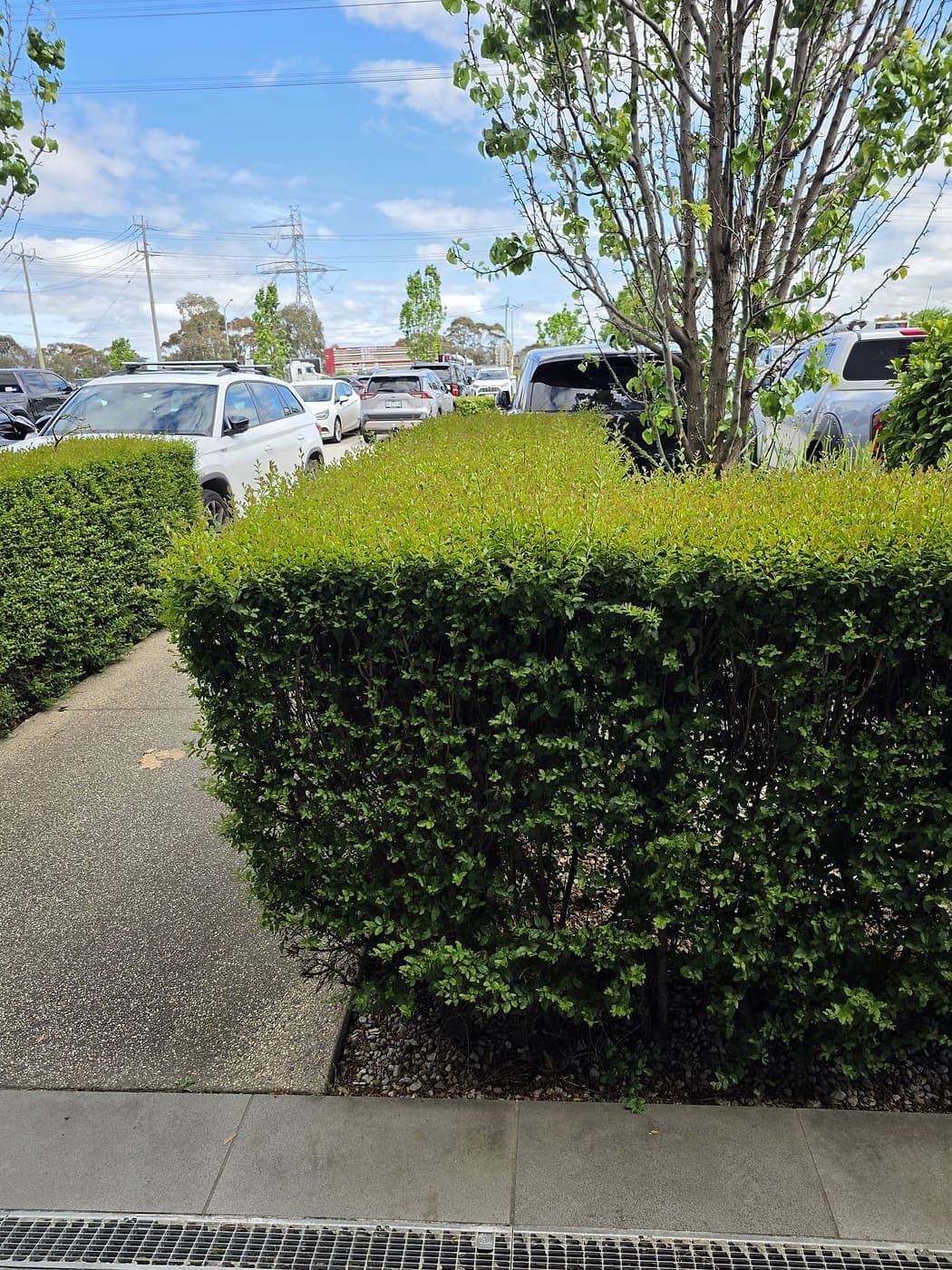
Because the top shades the base. A hedge cut with straight vertical sides, or worse, wider at the top, starves the lower leaves of light, and they drop. Over a few years the hedge becomes a green lid on bare stems.
The fix is the taper, which the RHS calls the batter: the base wider than the top, so every face gets sun. Even a small taper makes a difference over time. A rounded or chamfered top also sheds the weight of rain better than a sharp flat lid.
Two hedges side by side in cross-section. On the left, a hedge with sloping sides, wider at the base than at the top; sun arrows reach the full height of both faces, and leaves are shown all the way down to the ground. On the right, a hedge that has been cut wider at the top than the base; the sun arrows stop at the overhanging shoulder, the lower half is shaded grey, and the stems below are drawn bare with fallen leaves at the foot. Labels read "Light to the base" and "Shaded base goes bare".
If your hedge is already bare at the base, it can sometimes be brought back by cutting the top narrower and letting light in, though conifers rarely recover. A hedge pressed against a fence or wall suffers the same way on its back face, which is why we suggest leaving a gap when planting; our guide on how to plant a new hedge covers spacing from fences.
Mistake 4: is it wrong to cut an overgrown hedge right back in one go?
Usually, yes. Removing most of a hedge's leaves at once leaves it with little to feed regrowth, and many species struggle or die back. The safer path is staged renovation over two or three years.
A staged plan for a vigorous evergreen hedge often looks like this:
- Year one: reduce the height and cut one face hard, leaving the other face and plenty of leaves.
- Year two: once the first face has regrown, cut the second face back.
- Year three: shape and taper, then return to regular light trims.
Late winter or early spring suits the hard cuts in Melbourne, so regrowth has a full growing season ahead. Not every hedge will come back: as the RHS notes, an overgrown conifer hedge is often better replaced than renovated. Our guide on bringing back an overgrown hedge with rejuvenation pruning goes through which species respond and how far to go.
Mistake 5: what is wrong with shearing every shrub into a ball?
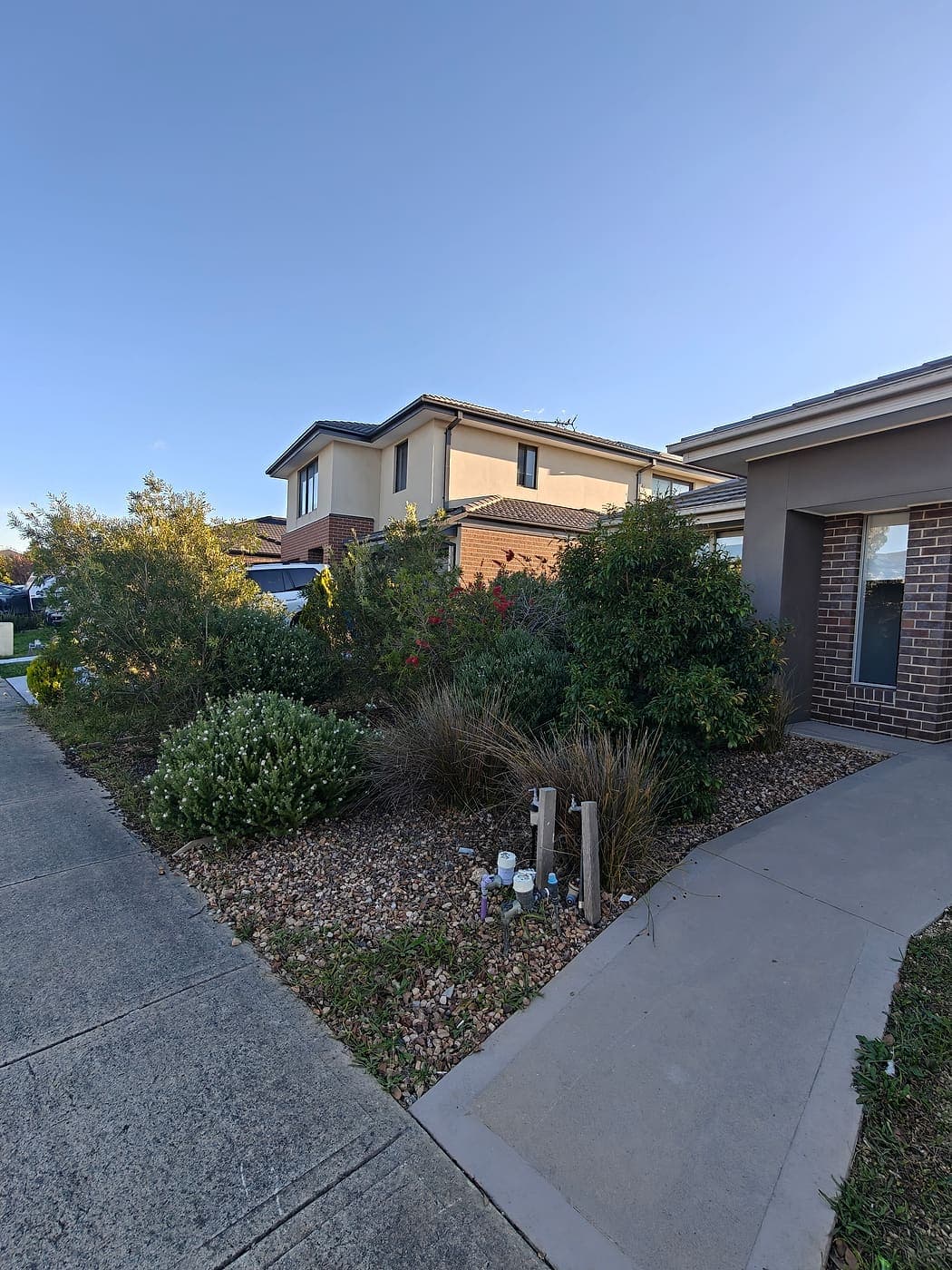
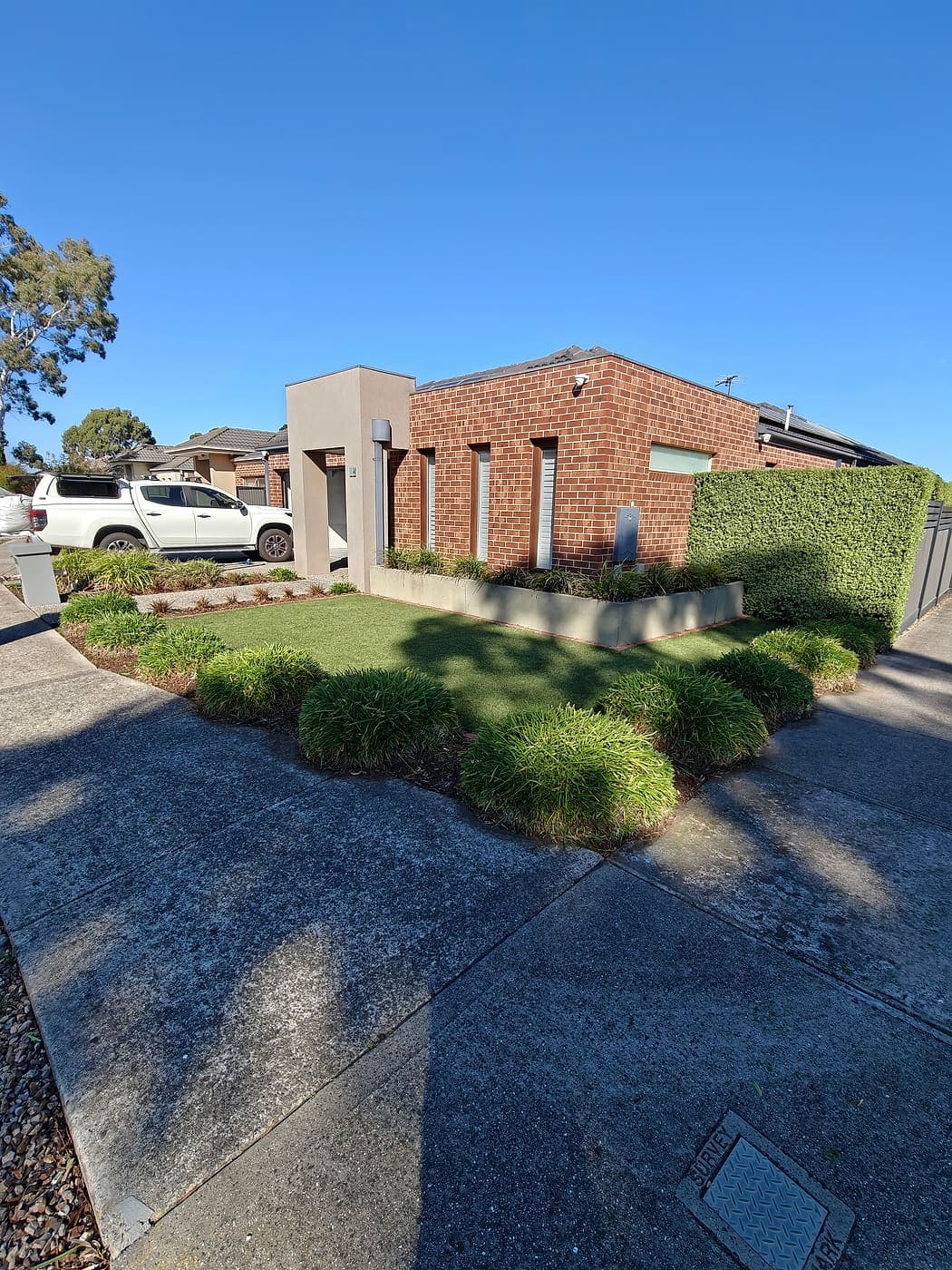
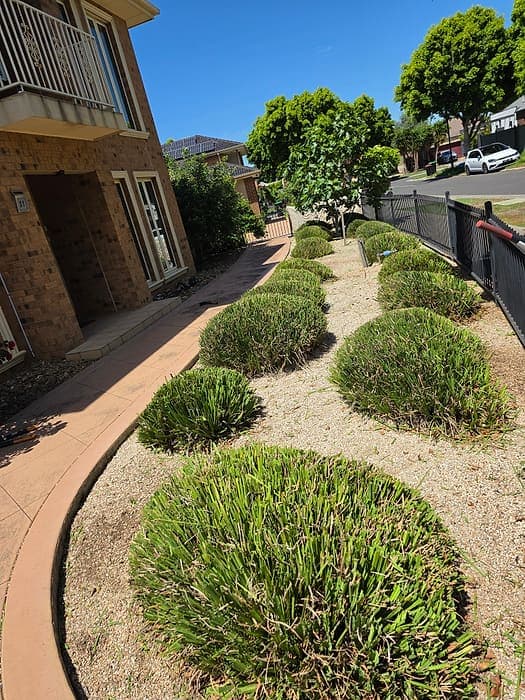
It suits a few plants and ruins many others. Regular shearing builds a dense shell of leaves on the outside with dead, leafless twigs inside, and it cuts off the flowers of shrubs that bloom at their tips.
Shearing suits small-leaved plants grown as hedges or formal shapes: box, westringia, some lilly pillies and murraya, for example. For most other shrubs, thinning gives a healthier plant. Thinning means removing whole stems back to a branch or the base, which lets light and air into the middle.
Tip pruning is the other tool. APS Victoria describes pinching out the growing tips of young natives to make them bushier and increase flowering. A few minutes of tip pruning after flowering keeps many natives compact without any shearing at all. Our guide on how to prune common shrubs goes species by species.
Why balled shrubs often flower less
Many shrubs flower on the ends of new shoots, or on wood that grew the season before. Shearing them all over at regular intervals removes those shoot ends again and again, so the plant spends its energy regrowing leaves rather than flowering. It also hides the plant's own form: a grevillea, a correa or an abelia sheared into a sphere looks like every other sphere. Thinning and tip pruning after flowering keep the shape and the flowers.
Mistake 6: why do stubs and torn cuts cause dieback?
Because a stub has nothing to keep it alive. A cut made between buds, or a branch cut part way along, leaves a length of stem with no growing point to draw sap. It dies back and can let decay into the plant.
Good cuts follow three rules:
- Cut to a growing point: just above an outward-facing bud, a side shoot or a leaf, so new growth heads away from the centre.
- On larger branches, cut just outside the collar, the slightly swollen ring where a branch joins a bigger stem. City of Whitehorse (opens in a new tab) guidance explains that cutting at the branch bark ridge or collar lets the wound close quickly, while lopping between growing points leaves wounds that are hard to seal.
- Make it clean. Sharp secateurs, loppers or a pruning saw for thicker wood; never tear a branch off or crush it with blunt blades.
The same principle scaled up is why topping and lopping trees fails so badly. Our post on lopping versus proper pruning explains why topped trees grow back worse.
Mistake 7: does it matter which tool you use?
It matters more than most people think. Blunt or dirty blades tear and crush, which browns the cut ends and spreads disease from plant to plant.
- Hedge trimmers and shears suit small-leaved hedges. Keep them sharp and clean.
- Secateurs suit large-leaved hedges and shrubs such as cherry laurel, photinia and large lilly pillies; the RHS notes trimmers leave half-cut leaves that look unsightly.
- Loppers and a pruning saw handle thicker stems; never force secateurs through wood that is too big for them.
- Clean blades between plants when disease is about, especially on box hedges, where box blight spreads on tools, hands and clippings.
Power tools above shoulder height and ladders on uneven ground are where injuries happen. The RHS advises avoiding powered tools above shoulder height, and wearing eye protection and gloves.
- The hedge is taller than you can reach safely from the ground or a stable platform.
- The work needs a ladder near power lines, over a drop or on a slope.
- A large shrub or small tree needs thick branches removed, or work that would need a chainsaw.
- A hedge has disease such as box blight, or you are unsure whether a species will reshoot after a hard cut.
Mistake 8: is planting the wrong plant itself a pruning mistake?
In our opinion it is the biggest one of all. A plant that wants to be four metres tall in a one metre space means fighting it with the shears forever, and every hard cut makes it grow back harder.
Before you plant, check the mature height and width, and pick a plant that fits without constant cutting. That is especially true in narrow side passages, beside paths and near the house. Our posts on screening plants for narrow side passages and on tree roots, pipes and paths cover what suits tight spaces.
A short checklist before any pruning job
- Do I know the species, and whether it reshoots from bare wood?
- Has it flowered yet this season, or are its buds forming now?
- Is the weather mild, with no heatwave or frost forecast in the next week?
- Are there active nests in it?
- Are my tools sharp and clean, and is the job safe from the ground?
- Am I taking a third or less of the new growth, and leaving green on every stem?
- Will the finished shape let light reach the base?
When is it worth handing the pruning over?
When a hedge is big, high or long, when it has got away and needs a staged plan, or when you would simply rather it was done right on a regular programme. Action Garden's hedge trimming and pruning service covers precise trimming, selective pruning, shaping and the full clean-up, one-off or on a schedule. There is more to read in our hedge and tree articles.
If a hedge or shrub has been cut badly and you want to know whether it will come back, ask for a free quote and we will take a look.
Your Garden. Our Promise.
From our jobs
Frequently asked
Why did my hedge go brown a week after I trimmed it?
Will lavender or rosemary grow back if I cut into the bare woody stems?
Why has my flowering shrub stopped flowering since I started pruning it?
Is it a mistake to prune every shrub in the garden into a ball shape?
How much can I safely cut off an overgrown shrub in one go?
Why do branches die back from where I made a pruning cut?
Do blunt hedge trimmers really damage a hedge?
Sources and further reading
- Pruning Australian native plants (Australian Plants Society Victoria)
- Pruning hedges (Royal Horticultural Society)
- Lopping and pruning (City of Whitehorse)
- Climate statistics, Melbourne (Olympic Park) station 086338 (Bureau of Meteorology)
Caring for Melbourne gardens since 2019. Updated 18 November 2026.