


Property care: rentals, sales and strata guide
Commercial grounds maintenance: what a good programme includes
By the Action Garden team · Updated · 14 min read
Checked against: WorkSafe Victoria, Water Victoria, CFA, EPA Victoria, Bureau of Meteorology, Agriculture Victoria
TL;DR
- Split the site into zones (frontage, car park, beds, verges, back of house) and give each one a standard, not just a task list.
- Every routine visit covers litter, mowing and edging, bed weeding, path and car park clearing, and a check of drains and hazards.
- Melbourne's growing year sets the rhythm, with more visits in spring, steady summer care within the water rules, and leaf work in autumn.
- Safety and site rules belong in the programme, including trading hours, traffic, the Fire Danger Period and noise near homes.
- A photo report after each visit, and extras quoted before they are done, keep the programme honest for the site manager.
| Season | Typical visit rhythm | Main focus |
|---|---|---|
| Spring (September to November) | Most frequent visits | Fast grass growth, weeds setting seed, spring mulching and hedge trims |
| Summer (December to February) | Steady, regular visits | Dry grass, fire risk on open areas, irrigation checks, litter in hot weather |
| Autumn (March to May) | Regular visits plus leaf work | Leaf fall, drains and pits, mulch top-ups, second hedge trim |
| Winter (June to August) | Fewer mowing visits | Pruning, structural work in beds, wet ground protection, litter continues |
What does a good commercial grounds programme include?
A good programme has five parts: a map of the site split into zones, a fixed scope and standard for every routine visit, a seasonal schedule of extras, site and safety rules, and a report after each visit. If any one of those is missing, the work drifts and the site manager ends up chasing it.
The difference from a home garden plan is that nobody from the business is usually watching the work. The programme has to say what "done" looks like in writing, so the crew, the site manager and the head office all judge the same result.
The parts fit together like this:
| Part | What it answers | Who uses it |
|---|---|---|
| Zone map | Which areas are in scope, and which are not | Everyone, especially a new crew |
| Routine scope and standard | What happens every visit, and what the finished zone looks like | Crew and site manager |
| Seasonal schedule | Which extras happen when, such as hedges, mulch and leaf work | Site manager and budget holder |
| Site rules | When work can happen, traffic, keys, alarms, hazards | Crew and the business |
| Visit report | What was done, what was found, what needs a decision | Site manager and head office |
If you are writing the document that goes out to contractors, our guide to writing a grounds maintenance scope for quotes walks through it clause by clause. This guide explains what the programme behind that scope should contain.
How should the site be split into zones?
Split the site by how each area is used and seen, not by the type of plant in it. A lawn at the front entry and a lawn behind the loading dock need different standards, even though the mowing is the same job.
Most commercial sites in Melbourne come down to five or six zones:
- Frontage and entry. Signs, entry beds, the front lawn or nature strip, and the path to the door. Highest presentation standard.
- Car park. Lawn islands, garden beds between bays, kerbs, low plantings at exits where drivers need to see, and litter in corners and under trolley bays.
- Paths and outdoor areas. Walkways, staff break areas, outdoor seating and smoking areas, where litter and trip hazards build up fastest.
- Verges and road frontage. The strip between the boundary and the road, often long, dry and weedy, and in view of every passing car.
- Back of house. Loading areas, bin enclosures, fence lines and drainage swales. Lower presentation standard, higher weed and rubbish risk.
- Open or undeveloped land. Spare land on industrial and warehouse sites, which mostly needs slashing and weed control, and close attention in fire season.
Give each zone a short standard in plain words. For example: "Car park islands: grass between 40 and 80 mm, edges cut to the kerb, no litter, no weeds taller than the mulch." A standard like that can be checked by anyone with a phone camera.
A simple plan view of a commercial building on its block. The front entry and frontage beds are shaded in the darkest green and labelled Zone 1. The car park, with lawn islands between the bays and garden beds along the kerbs, is Zone 2. Paths and a staff seating area are Zone 3, the road verge along the front boundary is Zone 4, and the loading dock, bin enclosure and rear fence line are Zone 5. A legend on the side lists each zone with its visit standard. Small arrows show the order a crew works in: litter first across all zones, then mowing from the frontage outwards.
What should every routine visit cover?
Every routine visit should cover the same core list, in the same order, so the result is predictable. On most sites that list is short, and the extras sit in the seasonal schedule instead.
- Litter sweep. Frontage, car park, beds, verges and fence lines, before any machinery starts. EPA Victoria (opens in a new tab) treats litter as pollution, and much of it washes through stormwater drains into creeks and the bay.
- Hazard check. Broken glass, sharps, dumped rubbish, fallen branches, damaged edging or lifted pavers. Anything that needs the business to act goes in the report.
- Mowing and edging. Lawns and islands cut to the zone's height, edges trimmed to kerbs and paths, and clippings cleared from hard surfaces.
- Garden beds. Weeds removed, spent growth cut back, plants kept off paths, signs and sight lines.
- Hard surfaces. Paths, entries and car park edges cleared of clippings, leaves and debris with a blower or broom.
- Drains and pits. Grates kept clear of leaves and litter, so rain runs away instead of pooling across the car park.
- Green waste. Removed from site, or placed where the business has agreed, never left in piles.
The order matters. Clearing litter first stops a mower throwing a bottle or can, and blowing paths last means the site looks finished when the crew drives away.
How does Melbourne's year change the programme?
The routine stays the same all year, but the number of visits and the extras change with the seasons. Plan those changes at the start of the year, so they are budgeted and booked rather than reactive.
The Bureau of Meteorology (opens in a new tab)'s averages for Melbourne (Olympic Park) explain the rhythm. October is the wettest month on average, and January has the highest average maximum temperature, at about 27°C. That means fast spring growth, then a dry, hot stretch where grass slows, browns and becomes a fire and litter concern rather than a mowing one.
| Season | What changes | Extras to schedule |
|---|---|---|
| Spring | Fastest growth, weeds flowering and setting seed | Spring mulch, first hedge trim, weed control before seed set, irrigation start-up check |
| Summer | Grass slows and dries, more people outdoors, more litter | Fire season preparation on open land, irrigation checks, shrub tidy-ups |
| Autumn | Leaf fall from deciduous trees, steady growth after rain | Leaf clearing, drain and pit checks, second hedge trim, mulch top-up |
| Winter | Slow growth, wet ground on clay sites | Pruning, bed renovation, planting, protecting soft lawns from vehicle damage |
Sites on heavy clay in the north and west, which covers much of Melbourne's industrial land, stay wet and soft through winter. Mowers and vehicles can rut lawns badly then, so the programme should allow a visit to switch to hand work when the ground is too wet. Our complete guide to garden maintenance in Melbourne sets out the same seasons for beds, lawns and hedges in more detail.
Irrigation and the water rules on commercial sites
Victoria's permanent water saving rules (opens in a new tab) apply to businesses as well as homes. Sprinklers and watering systems can only run between 6pm and 10am, a hand-held hose needs a trigger nozzle, and hard surfaces cannot be hosed down except where the rules list an exception.
For a grounds programme, that means three things. Irrigation controllers should be checked each spring so they run inside the allowed hours. Broken sprinklers spraying onto the car park need to be reported quickly, since they waste water and look careless. Paths and car parks are cleared with blowers and brooms. Our explainer on Melbourne's permanent water use rules for gardens covers the detail.
What safety and site rules belong in the programme?
The programme should state when work can happen, how people and vehicles are kept safe, and how the crew handles keys, alarms and hazards. Writing these down once saves a phone call on every visit.
WorkSafe Victoria (opens in a new tab)'s guidance for businesses engaging contractors explains that both the business and the contractor have health and safety duties, and that they should talk about the hazards and how they will be controlled before work starts. For grounds work, the usual topics are:
- Traffic. Mowing and trimming next to moving cars and pedestrians. Agree cones, spotters or quiet times for busy car parks.
- Thrown objects. Line trimmers and mowers throw stones and debris. Keep people clear of the work and protect glass shopfronts and parked cars.
- Noise and timing. Blowers and mowers near offices, outdoor dining or homes next door. Our piece on working around trading hours covers how to schedule noisy work.
- Fire season. CFA (opens in a new tab) rules for the Fire Danger Period limit how mowers, trimmers and slashers can be used in dry vegetation, and ask that they be avoided wherever possible on Total Fire Ban days.
- Sharps and dumped waste. A clear rule that crews do not handle needles, chemicals or suspected asbestos, and report them instead.
- Access. Gate codes, keys, alarm procedures, and who to call on site if something goes wrong.
Some grounds jobs need specialist contractors rather than a grounds crew. Trees near power lines, large or damaged trees over car parks, roof and high gutter work, chemical spraying of declared weeds over large areas, and any suspected asbestos in dumped waste all need people trained and equipped for that work. The programme should name these jobs as exclusions and say who arranges them.
Which extras should be planned rather than called in?
Plan every job you know will be needed during the year, and quote it with the programme. Extras called in at short notice take more effort to organise, and they tend to happen after the problem is already visible to customers.
Common planned extras on Melbourne commercial sites:
- Hedge and shrub trims, usually in late spring and again in autumn, to keep entries, signs and sight lines clear.
- Mulch for frontage and car park beds in spring, with an autumn top-up where it has thinned.
- Leaf clearing in autumn, especially where deciduous trees overhang the car park and drains.
- Weed control on gravel areas, fence lines and verges before weeds set seed in spring.
- Fire season preparation on open land, including slashing and clearing around buildings before summer.
- High pressure cleaning of entries, paths and bin areas once or twice a year.
- Gutter clearing on single-storey buildings, timed after leaf fall.
Anything outside the routine and the planned extras should be quoted and approved before it is done. That rule protects both sides: the business is never surprised by an invoice, and the contractor is never asked to do unscoped work for free.
Declared weeds on commercial land
Some weeds are declared noxious in Victoria, and landowners have legal duties to control them. On industrial land in Melbourne's north and west, grassy weeds such as serrated tussock and Chilean needle grass are a known problem on verges and spare land.
A grounds programme should note any declared weeds found, report them to the site manager, and plan control at the right time of year, usually before seed set. Agriculture Victoria (opens in a new tab) lists the declared weeds for each region and explains landowner obligations, so check that list rather than relying on a contractor's view.
What should the site manager get after each visit?
The site manager should get a short report after every visit: the date and time, the zones done, before and after photos of the key areas, anything that could not be done and why, and any hazards or recommended extras. That report is what turns a contractor's word into evidence.
A useful report is short enough to read on a phone and specific enough to forward to head office. Our guide to what a good grounds maintenance report includes sets out the layout, the photo angles and the yearly summary in detail.
Over a year, the reports also show patterns: which zone keeps collecting litter, which island never recovers from vehicle damage, which hedge needs a third trim. Those patterns are what the yearly review of the programme should be built on.
Measuring whether the programme is working
Simple measures work best. Track how many visits were completed on the planned day, how many issues were raised and closed, and how many extras were approved against the plan.
Add a quarterly walk of the site with the contractor, using the zone standards as the checklist. Ten minutes per zone with a phone camera is usually enough to see whether the written standard and the real site still match.
What makes a commercial programme fail?
Most programmes fail for the same few reasons: a vague scope, a schedule that ignores the seasons, and no reporting. All three are fixable on paper before the first visit.
- Task lists without standards. "Mow the lawns" says nothing about height, edges or clippings.
- The same visit rhythm all year. Spring growth outruns it, and winter visits waste time.
- No zone priorities. The crew spends as long behind the loading dock as at the front door.
- Extras done without approval. It leads to invoice disputes and lost trust.
- No reports. The site manager has nothing to show head office when a complaint comes in.
- Nobody owns the hazards. Dumped rubbish, broken irrigation and damaged trees sit unreported for weeks.
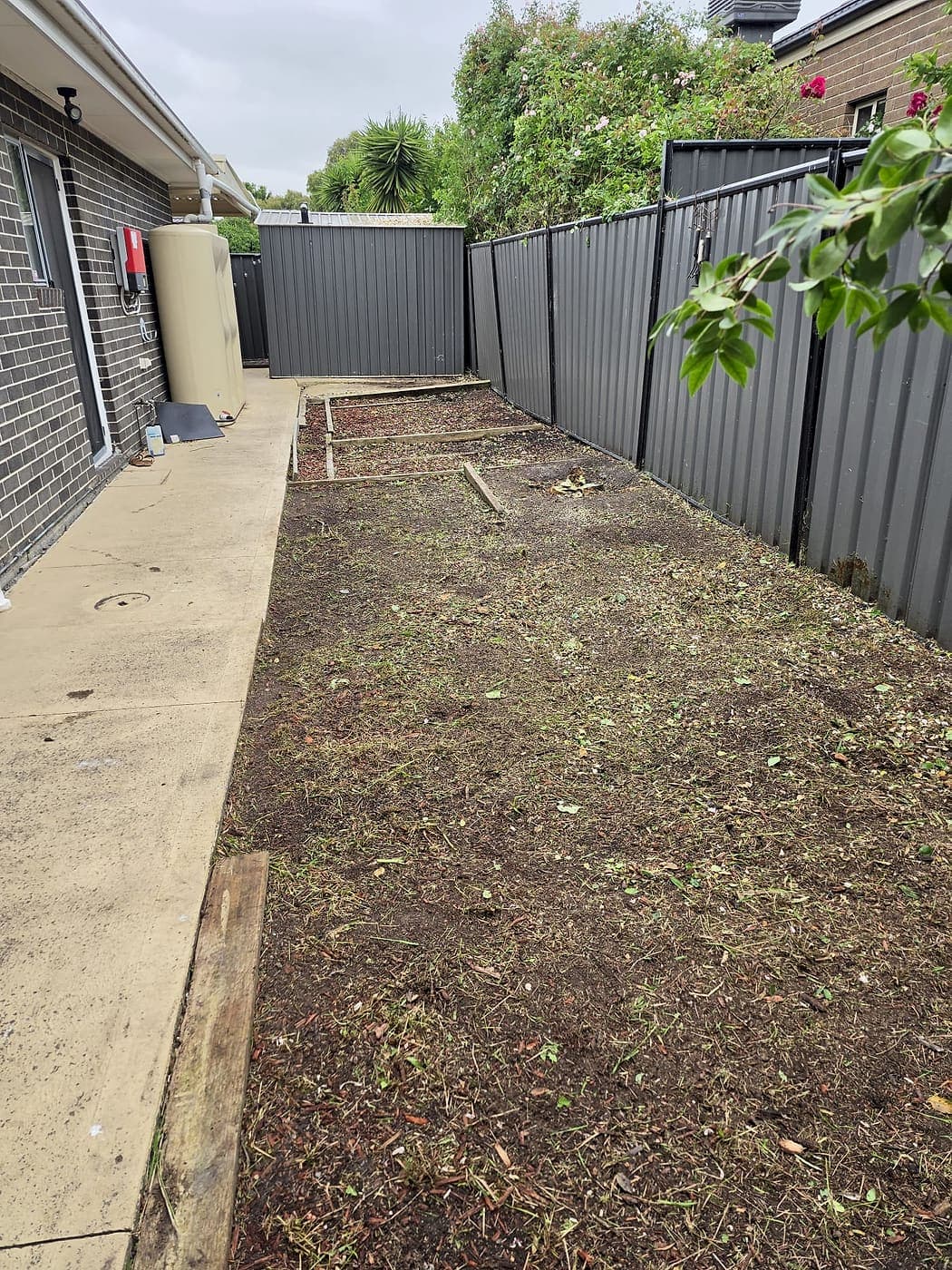
A worked example helps. A small retail site with a frontage bed, two car park islands and a road verge might run fortnightly routine visits for most of the year and weekly in spring. Hedges are trimmed twice a year, mulch goes on in October and leaves come off in May, with a report and photos after each visit. A large warehouse site with spare land would add slashing before summer and weed control along fence lines, much like the routine in our guide to keeping vacant blocks and open lots tidy.
How does Action Garden run commercial grounds?
Commercial and strata programmes at Action Garden start with a site visit, then run to a fixed scope per visit, a seasonal schedule of extras, a photo report each visit, and one contact and one invoice. The work covers car park islands, frontages, beds, litter and green waste, with site reports that a manager can forward.
Our gardening services cover beds, pruning, weeding and mulching, and the same team handles lawn mowing, hedges, rubbish removal and high pressure cleaning, so most of a site's outdoor work sits under one programme. You can see an example of a site reset in our story of a commercial grounds job, start to finish, and the other property types we look after in our property care guides.
Action Garden is insured and ABN registered, and the team is police checked. The team completes site inductions and works with you to meet any specific requirements of your site.
If your site has grown beyond what staff can keep on top of, or the current arrangement has no reports, it may be time to hand it over. Get a free quote and we will arrange a site visit first.
Your Garden. Our Promise.
From our jobs
Frequently asked
How is a commercial grounds programme different from a residential garden plan?
Which zones of a commercial site matter most to presentation?
Should a commercial grounds programme include litter pick-up every visit?
Can grounds work be done while a business is open?
Who is responsible for safety when a grounds contractor works on site?
How often should a commercial grounds programme be reviewed?
Do commercial sites have to follow Melbourne's water saving rules?
Sources and further reading
- Information for businesses engaging a contractor (WorkSafe Victoria)
- Permanent water saving rules (Water Victoria)
- Fire Danger Period and Total Fire Ban restrictions, can I or can't I (CFA)
- Litter (EPA Victoria)
- Melbourne (Olympic Park) climate statistics (Bureau of Meteorology)
- Weeds (Agriculture Victoria)
Caring for Melbourne gardens since 2019. Updated 18 November 2026.