


Seasonal
What to plant each season in Melbourne
By the Action Garden team · Updated · 13 min read
Checked against: Bureau of Meteorology, Australian Plants Society Victoria, The Rose Society of Victoria, Water Victoria, Sustainable Gardening Australia
TL;DR
- Autumn (March to May): the best all-round window; warm soil and returning rain let roots settle before summer
- Winter (June to August): bare-root roses, fruit trees and deciduous shrubs, planted while dormant
- Spring (September to November): frost-tender plants and summer vegetables, once frosts finish in your suburb
- Summer (December to February): mostly hold off; plant only heat-tough plants, and water them in by hand
- Clay in the north and west and sand in the south-east shift the dates a little, and outer suburbs get later frosts
| Season | What to plant | Why then |
|---|---|---|
| Autumn | Natives, shrubs, trees, hedges, groundcovers, spring bulbs, cool-season vegetables | Soil still warm, rain returning, evaporation falling fast |
| Winter | Bare-root roses, fruit trees and deciduous ornamentals; hardy natives on free-draining soil | Plants dormant; avoid digging wet clay |
| Spring | Frost-tender plants, citrus, summer vegetables and herbs, perennials | Wait for the last frost; October is the wettest month on BOM's long record |
| Summer | Heat-tough fillers only; plan and prepare autumn beds | Hottest, driest months; new plants need hand watering |
When is the best time to plant in Melbourne?
Autumn is the best all-round planting season in Melbourne, with spring a close second. Planting from March to May gives roots warm soil, returning rain and a full winter and spring to settle in before their first summer. Spring planting works too, but the plants meet the heat sooner and need more watering.
That simple rule hides a lot of detail. Bare-root plants go in during winter, frost-tender plants and summer vegetables wait for spring, and summer is mostly a time for watering what you already have.
Here is the year as a quick planting checklist:
- March to May: natives, shrubs, trees, hedges, groundcovers, perennials, spring bulbs, garlic and cool-season vegetables
- June to August: bare-root roses, fruit trees and deciduous shrubs; hardy natives on free-draining soil
- September: hardy perennials and natives while the soil is moist; no frost-tender plants yet
- October to November: frost-tender plants, citrus, summer vegetables and herbs, once frosts finish locally
- December to February: only heat-tough fillers, planted late in the day and watered by hand
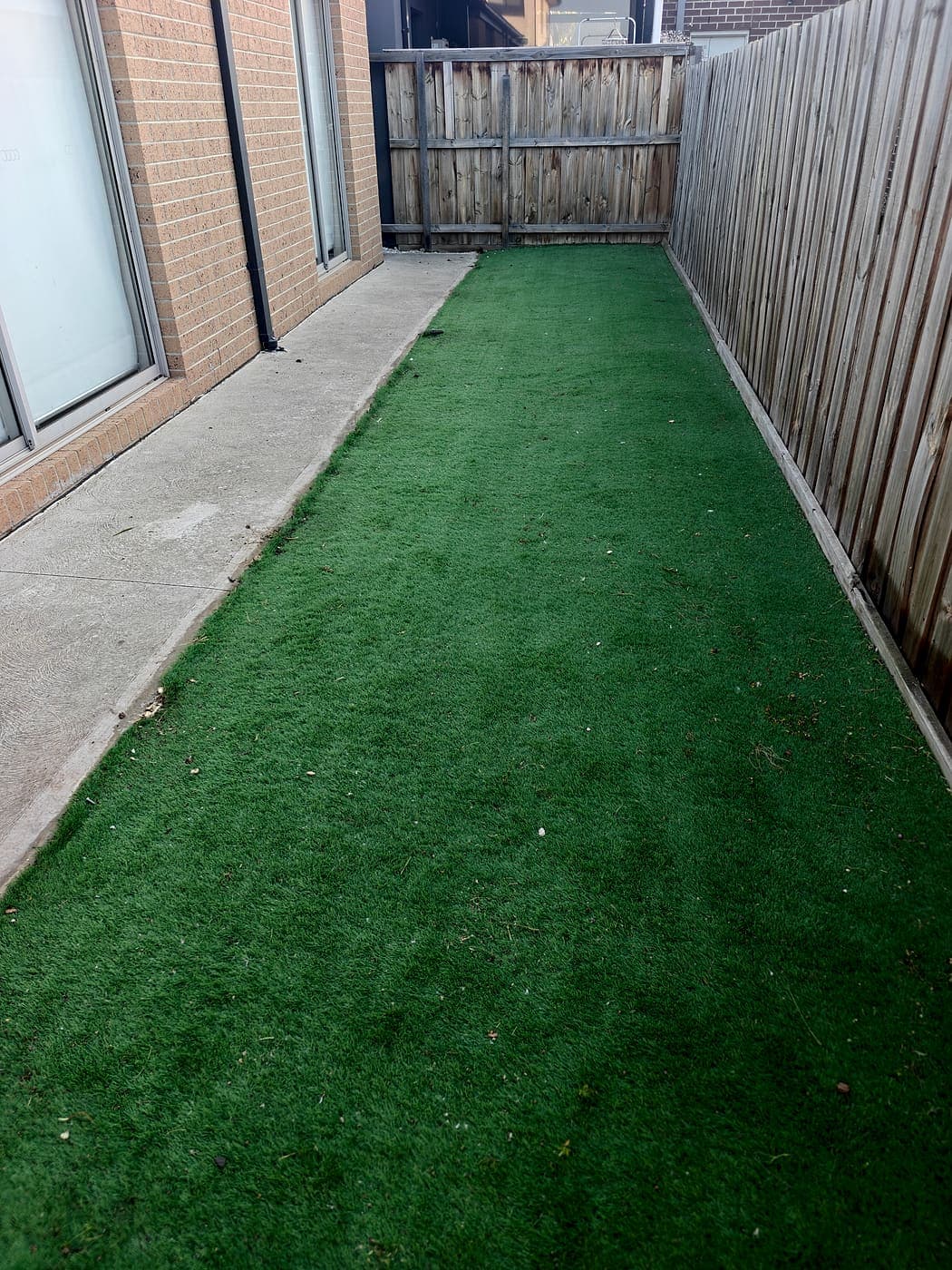
A circle split into twelve months, starting with March at the top. A broad green band runs from March to May labelled "main planting window", a narrower brown band from June to August labelled "bare-root and dormant plants", a lighter green band from mid September to November labelled "frost-tender plants and summer vegetables", and a pale band from December to February labelled "water and prepare". Small frost icons sit over June to September, larger in an outer ring marked "outer suburbs", and sun icons cluster over December to February.
How does Melbourne's weather shape the planting calendar?
Melbourne's planting calendar follows two things: when the soil is warm enough for roots to grow, and when rain and low evaporation keep it moist. Autumn has both. Summer has warmth but little moisture, and winter has moisture but little warmth.
The Bureau of Meteorology (opens in a new tab)'s long record for central Melbourne shows the pattern month by month.
| Month | Mean max (°C) | Mean min (°C) | Mean rainfall (mm) |
|---|---|---|---|
| January | 25.9 | 14.3 | 46.8 |
| February | 25.9 | 14.6 | 48.0 |
| March | 23.9 | 13.3 | 50.1 |
| April | 20.3 | 10.8 | 57.3 |
| May | 16.7 | 8.7 | 55.7 |
| June | 14.1 | 6.9 | 49.5 |
| July | 13.5 | 6.0 | 47.5 |
| August | 15.0 | 6.7 | 50.0 |
| September | 17.3 | 8.0 | 58.0 |
| October | 19.7 | 9.6 | 66.0 |
| November | 22.0 | 11.3 | 60.3 |
| December | 24.2 | 13.0 | 59.1 |
Source: Bureau of Meteorology, climate statistics for Melbourne Regional Office (086071), 1855 to 2015.
Rain is spread fairly evenly through the year, so the real difference is evaporation. On the same record, mean daily evaporation is 5.8 mm in January and only 1.1 mm in June. A plant set out in April faces months of gentle conditions; one set out in December faces the driest air of the year straight away.
What should you plant in autumn?
Plant almost anything permanent in autumn: natives, shrubs, trees, hedges, groundcovers, perennials and climbers, plus spring bulbs and cool-season vegetables. The Australian Plants Society Victoria (opens in a new tab) says autumn is generally the best time for natives because it gives a plant time to establish before the next summer.
Autumn in practice:
- March. Soil is at its warmest, but the first weeks can still be hot. Prepare beds, weed, add compost, and plant once a cooler change arrives.
- April. The sweet spot. Rain is returning, evaporation has halved since February, and the soil is still warm. Plant shrubs, hedges, natives and trees.
- May. Keep planting hardy plants. Plant spring bulbs, garlic and cool-season vegetables such as broad beans, peas, brassicas and leafy greens.
The autumn garden checklist covers the rest of the season's work, from leaves to lawns, so this post stays on what goes in the ground.
Why autumn planting beats spring planting
Roots keep growing as long as the soil is warm enough, even after the top of the plant has slowed down. Plant in April and the roots have several months to spread before the soil cools, then another flush in spring, so by January the plant is drawing water from a much bigger volume of soil.
A spring planting gets only the spring flush before the heat arrives. It can still thrive, but it relies on you for water through its first summer, and it is the plants set out in October and November that usually struggle in the first heatwave.
What should you plant in winter?
Winter is the season for bare-root and dormant plants: roses, deciduous fruit trees, deciduous ornamental trees and shrubs, and some perennials sold as dormant crowns. The Rose Society of Victoria (opens in a new tab)'s calendar starts planting new roses in June, with compost and slow-release fertiliser only.
Bare-root plants are dug from the field while dormant and sold without soil. They establish well because they wake up already in their final spot, but the roots must never dry out. Plant them soon after buying, soak the roots first, and spread them over a mound in the bottom of the hole.
Hardy natives and evergreen shrubs can also go in through winter in most of Melbourne. The Australian Plants Society Victoria's guidance is that Melbourne's milder climate allows planting from autumn through to the end of spring.
The exception is heavy, waterlogged clay. Digging wet clay ruins its structure, and roots sitting in cold water rot. On clay, wait until it crumbles in your hand, or plant on a slight mound.
Late winter is also pruning season. If you are planting roses or fruit trees, our post on late winter pruning jobs covers what to cut on the plants you already have, in the same weeks.
What should you plant in spring?
Spring is for frost-tender plants, summer vegetables and herbs, citrus, and any permanent plants you missed in autumn. The rule is to wait for the last frost in your area before planting anything tender, and to wait for the soil to warm before planting summer vegetables.
Spring in practice:
- September. Plant hardy natives, perennials and shrubs while the soil is moist. It is still too cold for tomatoes and other tender plants in most suburbs; the long record has dipped below freezing in September.
- October. Melbourne's wettest month on the long record, at 66.0 mm on average. Plant perennials and groundcovers, and from mid to late month in the inner and bayside suburbs, frost-tender plants and summer vegetables.
- November. Plant summer vegetables and tender plants in the colder outer suburbs. Water every new plant deeply, because evaporation is already climbing fast.
Citrus suits spring planting, once frosts are over, so a young tree has the warm months to grow before its first winter. The spring garden checklist has the season's other jobs, including mulching and getting watering systems ready.
Plant profiles
Plants and the season that suits them
Correa (Correa species). Autumn. A hardy native shrub for sun or part shade, with winter flowers that feed honeyeaters.
Westringia (Westringia fruticosa and cultivars). Autumn. A tough coastal native for low hedges and screens, tolerant of wind and dry spells once established.
Lomandra and dianella (Lomandra, Dianella species). Autumn to spring. Strappy natives for edges and mass planting on clay or sand.
Rose (Rosa, bare-root). Winter, from June. Planted while dormant, with compost.
Apple, pear, plum and peach (bare-root). Winter. Planted while dormant, pruned at planting to an open shape.
Citrus (Citrus). Spring, after the last frost. Needs sun, shelter and free drainage.
Tomato and basil (Solanum lycopersicum, Ocimum basilicum). Mid October to November, once the soil warms. Cold soil stalls them.
Daffodil and other spring bulbs (Narcissus). Autumn. Planted in March to May for flowers in late winter and spring.
What can you plant in summer?
Summer is mostly a season for watering and planning, not planting. January and February average a 25.9 °C maximum on BOM's long record, and new plants with small roots dry out within a day or two of hot wind.
If you do plant in summer:
- choose heat-tough plants such as established succulents, some natives sold in larger pots, and quick summer herbs and vegetables in the vegie patch;
- plant late in the afternoon so the plant has a cool night to recover;
- water deeply by hand at planting, and again the next morning;
- mulch straight away and shade new plants on days over 35 °C.
The better use of summer is getting ready for autumn: clearing weeds, adding compost and deciding what goes where. Our summer garden checklist covers keeping existing plants alive through the heat.
How do soil and suburb change the planting dates?
Soil type and local frost shift the calendar by weeks. Heavy clay in the north and west stays cold and wet longer in winter and spring, sandy soil in the south-east warms and dries early, and the outer east and the fringe get later frosts than the city.
| Situation | What changes | Planting adjustment |
|---|---|---|
| Heavy clay (much of the north and west) | Cold and waterlogged in winter, sets hard in summer | Plant in autumn before the soil is saturated, or wait until it crumbles in spring; plant slightly high |
| Sandy soil (many south-eastern suburbs) | Drains fast, warms early, holds little water | Autumn and early spring both suit; add compost and mulch straight away |
| Frosty outer suburbs and low sites | Later last frost | Frost-tender plants and summer vegetables from November |
| Bayside and inner suburbs | Milder nights | Tender plants can often go in from mid to late October |
If you are not sure which soil you have, take a handful of moist soil and squeeze it. Clay holds a sticky shape and smears, sand falls apart and feels gritty, and a loam holds a loose ball that crumbles when pressed.
Clay that never seems to dry
On heavy clay, water collects in a dug planting hole like a bucket, and a plant set into it can drown over winter. Dig the hole wider rather than deeper, break up the sides so roots can escape, and set the plant slightly higher than the surrounding soil.
Adding compost across the whole bed, not just the hole, improves clay over time. Mulch then keeps the surface from cracking in summer.
How do you give new plants the best start?
Prepare the bed, plant at the right depth, water deeply and mulch. The same five steps apply in every season; what changes is how much water the plant needs afterwards.
- Clear and prepare. Remove weeds and their roots, then dig compost through the bed. Weeds left now compete with every new plant.
- Water the pot first. Soak the plant in its pot so the root ball is wet right through before it goes in.
- Plant at the same depth. The top of the root ball sits level with the soil surface; buried stems rot. Tease out circling roots.
- Water it in. Water deeply to settle the soil around the roots, even if rain is forecast.
- Mulch. Spread a coarse mulch over the bed, keeping it clear of stems. Sustainable Gardening Australia (opens in a new tab) reports that chunky mulch cuts evaporation far more than fine mulch.
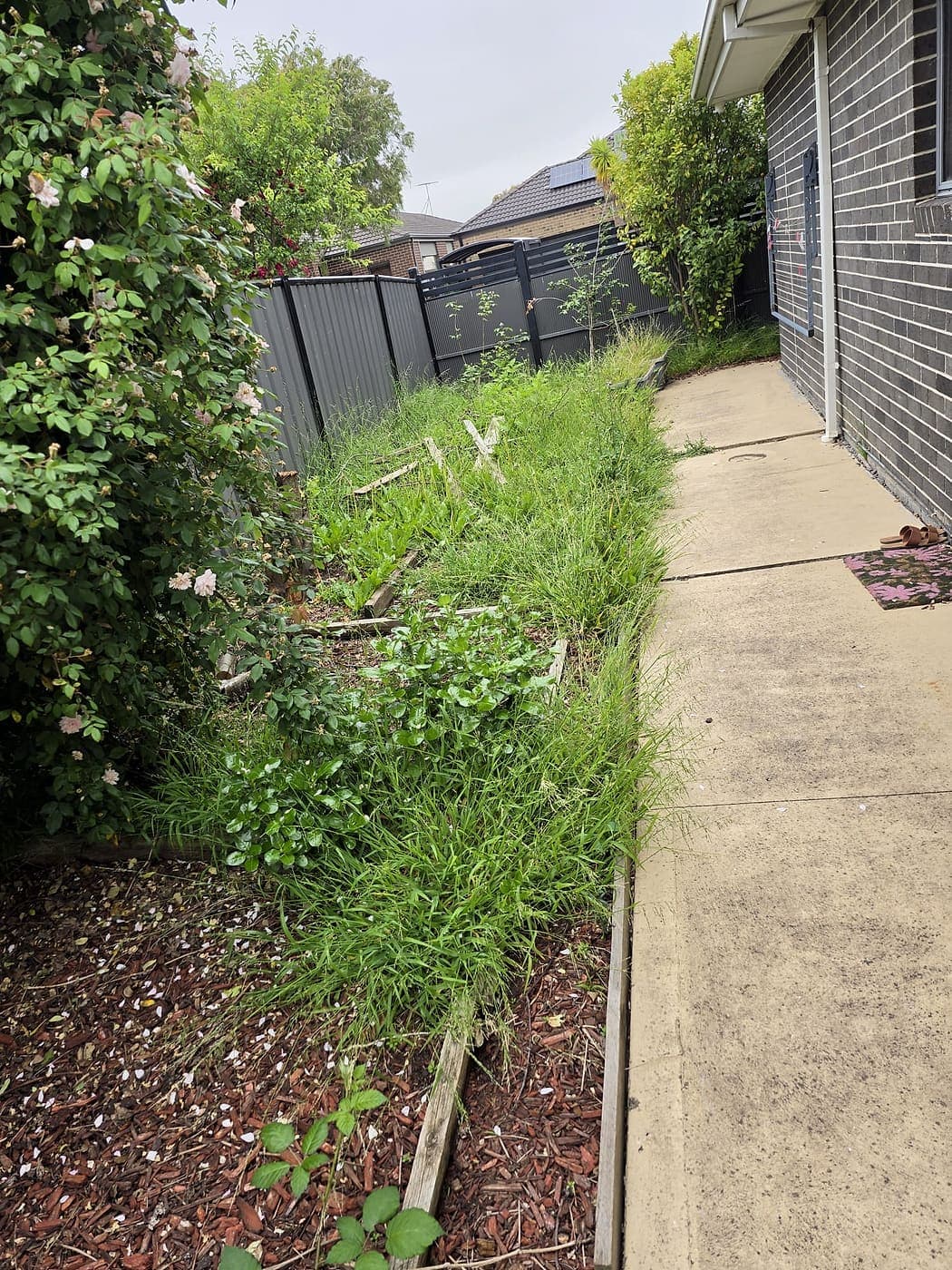
If you rent, check what the lease allows before planting or removing anything permanent. Our guide to rental gardens in Victoria explains how the Consumer Affairs Victoria guidelines split garden care, and the end-of-lease garden checklist covers handing a garden back.
Which planting mistakes cost the most?
The costly mistakes are about timing and preparation, not plant choice. A good plant in the wrong month, or in a weedy, unprepared bed, often fails.
- Planting in late spring and walking away. The first heatwave finds small roots and dry soil.
- Planting frost-tender plants in September. One clear, cold night undoes the work.
- Digging wet clay. It sets like brick and drowns roots.
- Burying the stem. The top of the root ball belongs at soil level.
- Skipping the mulch. Bare soil loses water fastest in exactly the months new plants need it.
- Planting into weeds. Running grasses and seedlings outgrow young plants within weeks.
Call a professional before digging near underground services, before planting trees close to the house, pipes or boundaries, and for large or heavy advanced plants that need lifting into place. Always lodge a free Before You Dig Australia enquiry ahead of digging deep holes or trenches.
When is it worth getting help with seasonal planting?
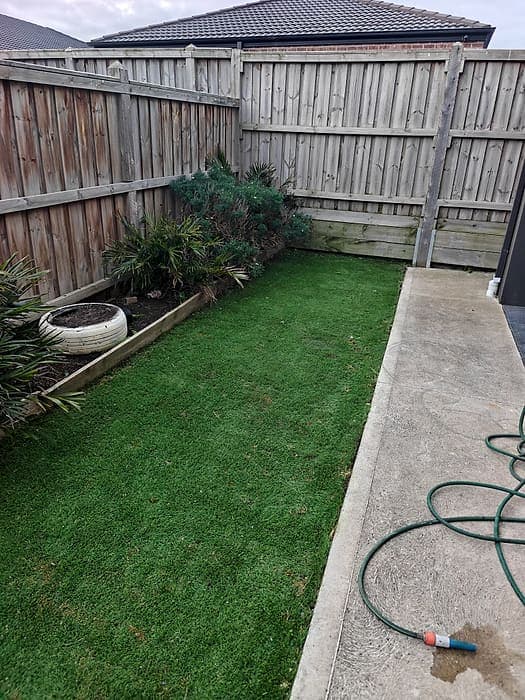
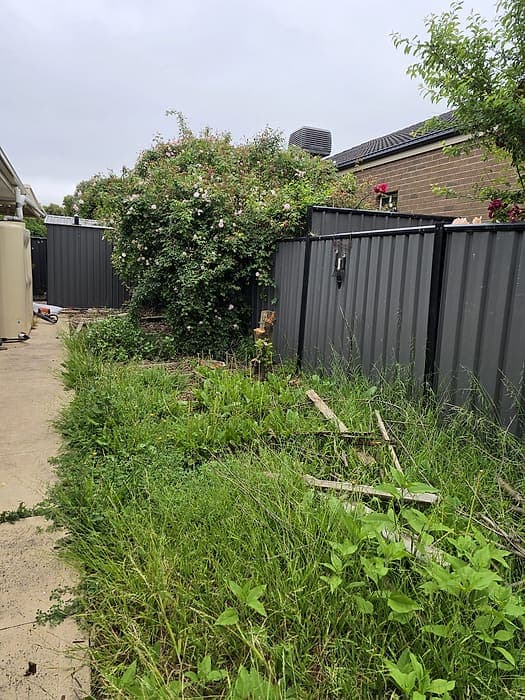
It is worth getting help when the planting window is short and the preparation is the hard part: clearing an overgrown bed, digging compost into clay, then planting and mulching before the autumn weather turns. A team can do the clearing and planting in one visit so nothing sits half-done.
Our gardening services cover soil preparation, planting and transplanting, mulching and seasonal care, and the garden maintenance guide explains how a regular programme looks after new plants once they are in. More seasonal timing is collected under seasonal articles.
When the next planting window comes around, a free quote is the easiest place to start.
Your Garden. Our Promise.
From our jobs
Frequently asked
Which summer vegetables need the soil to warm up before planting?
Is January too hot to put anything new in a Melbourne garden?
When do bare-root roses and fruit trees appear in Melbourne nurseries?
When should garlic cloves go in for a Melbourne harvest?
Can natives be planted in the middle of a Melbourne winter?
Do planting dates shift in Melbourne's frosty fringe suburbs?
Should a new garden bed be watered in winter if it rains most weeks?
Which month suits planting evergreen shrubs and screening plants?
Sources and further reading
- Climate statistics, Melbourne Regional Office 086071 (Bureau of Meteorology)
- Best time to plant Australian natives (Australian Plants Society Victoria)
- Monthly care of roses (The Rose Society of Victoria)
- Permanent water saving rules (Water Victoria)
- Choosing mulch for your garden (Sustainable Gardening Australia)
Caring for Melbourne gardens since 2019. Updated 18 November 2026.