


Real estate
Short-stay rentals: keeping the garden guest-ready
By the Action Garden team · Updated · 11 min read
Checked against: State Revenue Office Victoria, Consumer Affairs Victoria, Water Victoria, CFA, Building and Plumbing Commission
TL;DR
- The garden is in the listing photos, so guests arrive expecting it to look exactly like them; a fixed maintenance cycle keeps it there.
- Split the work into a quick check before each arrival and deeper visits weekly in spring and summer, fortnightly or monthly in winter.
- The path from the gate to the door, the outdoor eating area and the bins are what guests notice first and mention in reviews.
- Safety comes first for strangers on the property: trip hazards, slippery paths, the pool barrier, the barbecue and fire season rules.
- Schedule garden visits on changeover days or between bookings, and ask for a photo after each visit so you can check from anywhere.
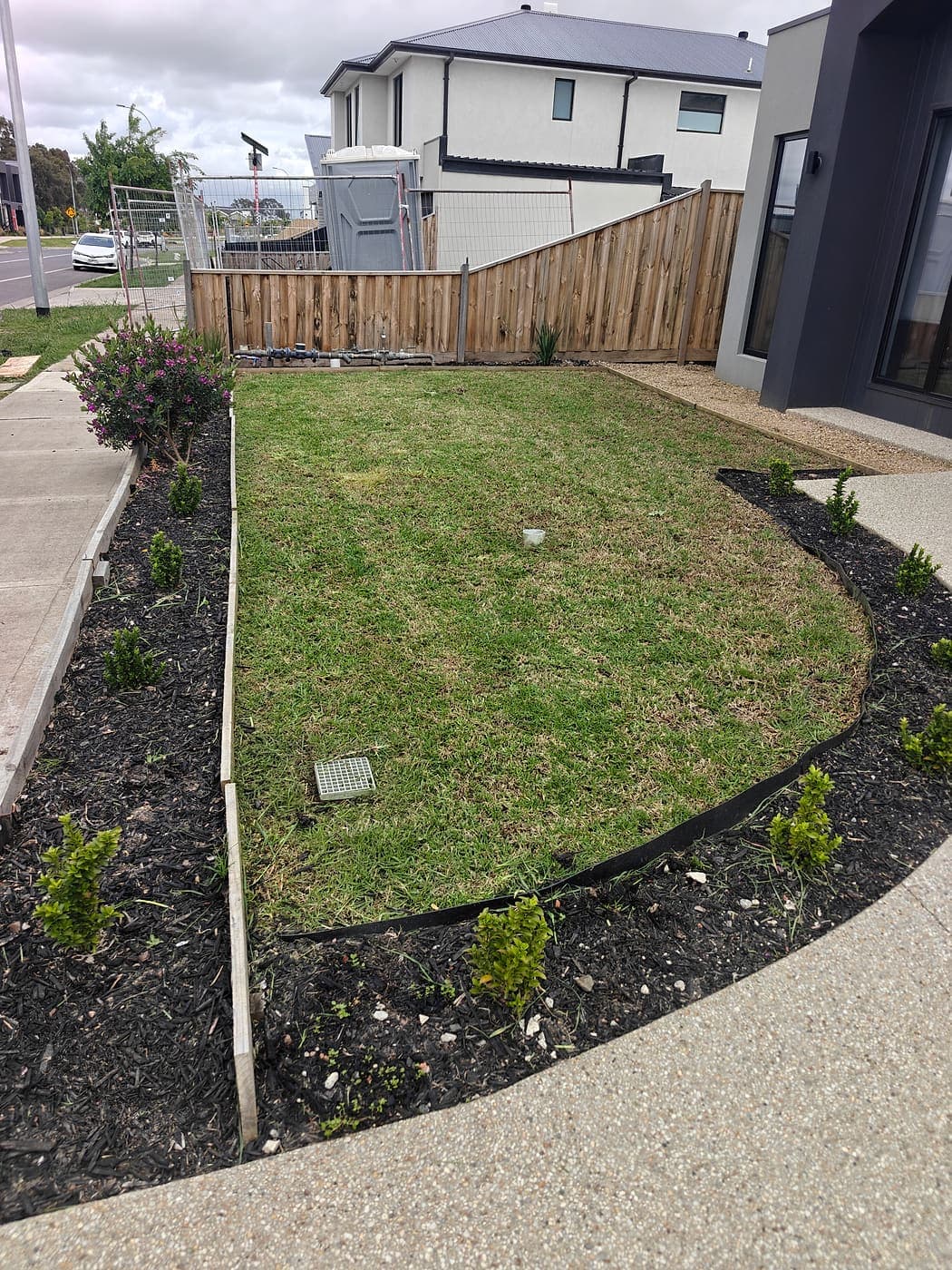
Why does the garden matter so much for a short-stay rental?
Because it is in the listing. Guests book from photos of the lawn, the deck and the outdoor table, and they arrive expecting the garden to look exactly like those photos.
A home with long-term residents is cared for a little every day, often without anyone noticing. A short-stay property has nobody living in it, so leaves pile up, grass grows past the edges and cobwebs build on the outdoor chairs until someone deliberately deals with them.
The garden is also the first and last thing a guest walks through. A tidy arrival sets the tone for the whole stay, while an overgrown path or overflowing bins can colour a review even when the inside is spotless.
A plan view of a small house and garden, with a dotted line tracing a guest's walk from the street to the front door. Three zones light up in turn as the line moves: the kerb and nature strip (lawn edge, bins, house number), the front path (clear surface, trimmed plants either side, working light) and the entry (doormat, pot plants, no cobwebs). A fourth zone at the back, the outdoor eating area, lights up last with the barbecue, table and chairs.
What should be checked before every guest arrives?
A quick walk-through before each arrival catches the small things that slip between maintenance visits. It takes ten to fifteen minutes and can be part of the cleaner's changeover routine or your own.
The arrival checklist
- The path from the gate or driveway to the door is clear of leaves, litter, toys and garden tools.
- Plants beside the path do not brush guests' legs or block the way, especially after rain when they lean.
- The house number is visible from the street and outdoor lights work, including any sensor lights.
- Wheelie bins are emptied, clean enough to use, and sitting where guests can find them.
- The doormat, pot plants and porch are free of cobwebs and fallen leaves.
The outdoor living checklist
- Outdoor furniture is wiped down, cushions are dry, and umbrellas are closed and secure.
- The barbecue is clean, the gas bottle is checked, and the area around it is swept.
- Decks and paving are swept, with no moss, slime or bird droppings where people walk.
- The pool gate closes and latches on its own, and nothing climbable sits near the barrier.
- Hoses are coiled, taps are off, and garden tools are locked away.
The lawn and beds checklist
- The lawn looks recently cut, with no clippings on paths or decks.
- No obvious weeds in the front beds or in paving joints near the entry.
- No dead plants in pots or beds that guests will see from the outdoor area.
A changeover photo log
Ask whoever does the changeover to take the same four or five photos each time: the front path, the outdoor eating area, the lawn and any problem spot. Saved by date, they give you a running record of the garden without visiting.
The log also helps when a guest reports damage, or when you need to show a gardener what has changed. Photos from the same spots are far easier to compare than a description over the phone. The same habit is useful for long-term rentals too, as our article on photographing the garden for a condition report explains.
What needs doing weekly, fortnightly or monthly?
The deeper work happens on a fixed cycle that matches the season, not the bookings. A regular cycle stops the garden drifting away from the listing photos between guests.
| Job | Spring and summer | Autumn | Winter |
|---|---|---|---|
| Mow and edge lawns | Weekly | Fortnightly | Monthly or as needed |
| Weed beds and paving joints | Each visit | Each visit | Each visit |
| Blow and sweep paths, decks and entry | Each visit | Each visit, more often in leaf fall | Each visit |
| Trim shrubs and hedges near paths | Every 4 to 6 weeks | Once in early autumn | Light tidy only |
| Top up mulch in beds | Late spring | Check and top up | Not usually needed |
| Check gutters near the outdoor area | Before summer | After the leaf drop | After big storms |
Those frequencies are a starting point. A property with back-to-back bookings, a large lawn or a lot of deciduous trees will need more visits than a courtyard unit.
For the full seasonal picture of what a Melbourne garden needs and when, our complete guide to garden maintenance in Melbourne sets out each job month by month.
How do you keep it guest-ready through Melbourne's seasons?
Each Melbourne season brings a different problem for a property with nobody in it. Plan for the season ahead, not the one you are in.
Spring is the growth rush. Lawns can need cutting every five to seven days, weeds germinate in every bare patch, and hedges throw out soft new growth that makes them look shaggy within weeks.
Summer is about water and heat. Lawns brown off quickly without regular watering, pots dry out in a day, and the outdoor area gets its heaviest use.
Autumn is leaf season. Deciduous trees can cover a deck, a lawn and a pool in a week, and wet leaves on paving are slippery underfoot.
Winter brings moss and slime on shaded paths and decks, waterlogged lawns on clay soils, and frost in outer suburbs. If your property is in a frost pocket, our guide to protecting plants from frost in Melbourne's outer suburbs covers which plants to cover and when.
How do you make the garden safe for guests?
Guests do not know your garden. A loose paver you step over without thinking is a fall for someone arriving in the dark with a suitcase.
- Trip hazards: lifted pavers, hose reels on paths, garden edging that has pulled up, and tree roots across the walkway.
- Slippery surfaces: moss, algae and wet leaves on decks, steps and paving, especially in shade.
- Lighting: a working light from the street or car space to the door, and over any steps.
- The pool: in Victoria, pools and spas must be registered with the council and the barrier inspected every four years, as the Building and Plumbing Commission (opens in a new tab) explains. Keep pots, furniture and plants from creating a foothold near the fence, and never prop the gate.
- The barbecue: clear leaves and dry plant material from around it, and keep it away from overhanging branches.
- Fire season: on the urban fringe, the CFA (opens in a new tab)'s advice is to keep the area around the house clear of fine fuel such as dry leaves, long grass and twigs. Total fire ban rules apply to guests as well, so include them in your house guide.
Call a professional for anything at height or with risk attached: gutters above a single storey, branches overhanging the roof or the outdoor area, storm-damaged trees, and pool barrier faults. Pool barrier inspections must be done by a registered building surveyor or building inspector. Tree work near power lines is regulated separately and is never a job for a host or a general gardener.
What rules apply to short-stay hosts in Victoria?
The rules for short-stay hosts sit mostly with the State Revenue Office, your owners corporation and your council. This article does not give legal or tax advice; check each official source for your property.
- The short stay levy. Since 1 January 2025, a levy applies to short stays in Victoria of less than 28 consecutive days, calculated on the total booking fee. The State Revenue Office (opens in a new tab) explains who collects it.
- Owners corporations. In apartment buildings and townhouse complexes, owners and short-stay guests are jointly and individually liable for damage to common property, including shared gardens, as Consumer Affairs Victoria (opens in a new tab) sets out.
- Your council. Councils have local laws on matters such as noise, rubbish, bins on the nature strip and overgrown land. Check your council's website before your first booking.
In a complex, the garden you maintain is usually only your lot. Common gardens are the owners corporation's job, so raise problems there rather than sending your own gardener onto common property.
Where guests wear a garden down
Guests use a garden harder and less carefully than residents. Common wear points include lawn worn bare where people cut a corner, plants trampled beside the outdoor table, and bins left overflowing on the nature strip after checkout.
Pots get knocked over, cigarette butts end up in garden beds, and hoses are left running or kinked. A fixed cycle of visits picks these up before they add up. A short note in your house guide asking guests to use the paths and bins also helps.
How do you set the garden up for low maintenance between bookings?
The easiest guest-ready garden is one designed to look tidy for two or three weeks at a time. Every hour saved in design is an hour you do not pay for in maintenance.
- Simplify the lawn. Fewer awkward corners, curves and narrow strips mean faster mowing and cleaner edges.
- Edge the beds. A firm edge between lawn and bed keeps the lawn from creeping and makes even a lightly weeded bed look sharp.
- Mulch deeply. A coarse mulch, 50 to 75 mm deep, slows weeds and saves water when nobody is there to hand water.
- Choose tough plants. Evergreen shrubs and groundcovers that hold their shape suit a property visited fortnightly better than annuals or roses that need deadheading.
- Put pots on a watering system or replace them with in-ground plants. Pots are the first thing to die in a Melbourne heatwave.
- Plan for green waste. If the property generates a lot of prunings and leaves, a compost bay may not suit guests. Our guide on how to compost garden waste at home covers when composting works and when green waste is better taken away.
How do you manage a gardener when you are not there?
Most short-stay hosts are not on site, so the arrangement needs to work without you. Clear access, a fixed scope and a photo after each visit cover most of it.
- Access: a gate code or a lockbox for the side gate, and a note of any areas that are off limits.
- Scope: a short written list of what is done every visit and what is done seasonally, so nothing depends on memory.
- Timing: changeover days or empty days, set from your booking calendar.
- Green waste: decide whether clippings and prunings leave with the gardener or go in the green bin. A green bin filled the day before guests arrive leaves them no room.
- Reporting: a photo when the job is done, so you can check the garden matches the listing without driving there.
Action Garden's clients do not need to be home for a visit as long as the garden is accessible, and we send a photo when we are done. Clippings and cuttings leave with us unless you ask us to use your green bin.
If you have just bought the property you plan to list, start with our article on your first month of garden jobs in a new home. For quiet seasons when the property sits empty for weeks, our article on keeping a vacant house looking cared for covers what changes when nobody is staying.
What to put in the house guide about the garden
Keep it short and practical. Say where the bins go and which day they are collected, how the outdoor lights work, whether the barbecue can be used and how to turn the gas off, and that the pool gate must stay closed.
Add a line on total fire ban days if the property is on the urban fringe, and ask guests not to move pot plants or furniture near the pool fence. If there is a watering timer, ask guests not to change it.
When is it worth handing the garden to a professional?
When you have more than one property, live too far away to check it between guests, or bookings are busy enough that the garden keeps falling behind. A fixed programme turns the garden from a weekly worry into a line on the calendar.
Our gardening services cover the regular mowing, edging, weeding, pruning and clean-up a short-stay property needs, timed around your changeover days. You can read more property articles in the real estate section of our blog, and when you are ready, ask for a free quote with your booking pattern and a few photos.
Your Garden. Our Promise.
From our jobs
Frequently asked
How often should a gardener visit a short-stay rental in Melbourne?
Should the gardener come on changeover day or between guests?
What do short-stay guests notice first in a garden?
Do short-stay hosts have to pay a levy in Victoria?
Can an owners corporation stop short-stay letting in a complex?
Which plants should I avoid near a guest outdoor area?
How do I keep the garden watered when there are no long-stay residents?
Sources and further reading
- Understanding short stay levy (State Revenue Office Victoria)
- Short stay accommodation (Consumer Affairs Victoria)
- Permanent water saving rules (Water Victoria)
- How to prepare your property (CFA)
- Pool and spa registration requirements (Building and Plumbing Commission)
Caring for Melbourne gardens since 2019. Updated 18 November 2026.