


Gardening
Pots and planters: keeping container plants alive through summer
By the Action Garden team · Updated · 11 min read
Checked against: Sustainable Gardening Australia, Water Victoria, Bureau of Meteorology, Better Health Channel
TL;DR
- Pots dry out far faster than garden beds because a small volume of mix sits above ground, exposed to sun and hot wind on every side.
- Bigger pots, glazed or light-coloured containers and a quality potting mix buy you time between waterings.
- Check pots every day in summer with a finger or a lift test, and water until water runs from the drainage holes.
- Potting mix that dries out completely can repel water; soak the whole pot in a tub to rewet it.
- Hand watering is allowed at any time under Victoria's water rules, but drip systems to pots must run between 6pm and 10am.
| Item | Guide figure | Notes |
|---|---|---|
| Mean daily evaporation, January | About 5.8 mm | Central Melbourne, against 1.1 mm a day in June (BOM) |
| Shade cloth for vegies and herbs | 50 to 60 percent | Sustainable Gardening Australia guidance for hot spells |
| Shade cloth for sensitive plants | 70 to 90 percent | Ferns, young seedlings and soft ornamentals |
| Watering system hours | 6pm to 10am | Hand watering with a trigger nozzle or can is allowed any time |
Why do pot plants struggle in a Melbourne summer?
Pot plants struggle because a small volume of mix holds a small amount of water, and the sun and wind reach it from every side. A plant that would cope in a garden bed can run dry in a pot within a day.
The Bureau of Meteorology (opens in a new tab)'s long record for central Melbourne puts mean evaporation at about 5.8 mm a day in January and 5.2 mm in February, against 1.1 mm a day in June. On a hot northerly day it is far higher. A garden bed draws on moisture deep in the soil; a pot has only what you put in it.
Three things make it worse:
- Heat through the walls. A pot on hot paving or against a west-facing wall heats up on the sides as well as the top, and roots near the sunny side can cook.
- Wind. Balconies and rooftop terraces funnel wind that strips moisture from leaves and mix.
- Shrinking mix. As potting mix dries, it pulls away from the sides of the pot, and water then runs straight down the gap.
Which pots and potting mix hold up best in summer?
The biggest pot that suits the plant and the space, in a light colour or a glazed finish, filled with a quality potting mix. Each of those choices adds hours or days between waterings.
Side by side
Pot materials in a Melbourne summer
| Material | Holds moisture | Heat on roots | Best for | Watch out for |
|---|---|---|---|---|
| Glazed ceramic | Well | Moderate | Thirsty shrubs, herbs, citrus | Heavy; check the drainage hole is clear |
| Unglazed terracotta | Poorly, dries fast | Low, walls stay cooler | Succulents, rosemary, lavender | Needs the most watering; can crack if frozen |
| Light-coloured plastic or resin | Well | Moderate | Most plants, moveable pots | Brittle after years in UV |
| Dark plastic | Well | High | Shaded spots only | Roots overheat on the sunny side |
| Fibreglass and lightweight composite | Well | Moderate | Balconies and large planters | Thin walls warm quickly in full sun |
| Timber planter boxes | Fair | Low | Vegies and herbs | Line the sides; check the timber treatment for edibles |
| Self-watering and wicking pots | Very well | Moderate | Vegies, herbs, balcony pots | Reservoir needs refilling and an overflow hole |
Sustainable Gardening Australia (opens in a new tab) notes that plants in terracotta dry out faster than others, so group pots by their watering needs. It also advises against filling pots with garden soil, which drains poorly in a container and breaks down quickly.
Choosing the potting mix
Buy a quality potting mix rather than a basic bag. Look for one that states it meets the Australian Standard for potting mixes (AS 3743), and choose a premium grade for long-term pots. Wet the mix before handling it and wear a mask when opening bags, as Sustainable Gardening Australia advises.
Potting mix breaks down and shrinks over a few seasons, and old mix holds water poorly. Refresh the top layer each spring and repot long-term plants every few years.
What water-repellent potting mix is
Many potting mixes contain organic material that develops a waxy coating once it dries out completely. Water then beads on the surface or runs down the inside of the pot instead of soaking in.
Soil wetting agents, sold as liquids or granules, help water soak back in. Many premium mixes already contain one, and it wears off over time. Reapply as the label directs, usually in spring before the hot weather, and always water it in.
What do you need to look after pots through summer?
A few simple tools make summer potting easy, and most of them you already have.
- A watering can and a hose with a trigger nozzle. Hand watering is allowed at any time under Victoria's water rules.
- A large tub or bucket for soaking pots that have dried out.
- Pot feet or small blocks to lift pots off hot paving and let them drain.
- Mulch: pea straw, fine bark or pebbles for the tops of pots.
- Soil wetting agent and a slow-release fertiliser, used as the labels direct.
- Shade cloth and pegs, or an old sheet, for heatwave days.
- A drip kit and timer if you have many pots or travel in summer.
How do you get pots ready for summer, step by step?
Do this in late spring, before the first hot spell. An hour on a mild weekend in November saves a lot of rescue work in January.
- Check every drainage hole. Poke out blockages, and lift pots off solid surfaces onto pot feet so water can escape.
- Refresh tired mix. Scrape out the top few centimetres and replace it with fresh potting mix, or repot plants that have filled the pot with roots.
- Apply a wetting agent. Use it on older mix as the label directs, then water it in well.
- Move pots into summer positions. Pull thirsty plants away from west-facing walls and hot paving, and into morning sun with afternoon shade where possible.
- Group them. Pots clustered together shade each other's sides and raise the humidity around the leaves.
- Mulch the tops. Add a layer of straw, bark or pebbles, leaving a gap below the rim so water does not run off.
- Set up drip lines. If you use a drip system, set the timer for early morning, inside the 6pm to 10am hours, and test each emitter.
Two cross-sections of a pot side by side. On the left, dry potting mix has shrunk away from the pot wall, leaving a gap; water poured on top runs down the gap and straight out of the drainage hole while the root ball stays pale. On the right, the same pot stands in a tub of water; arrows show water rising from below into the root ball, bubbles escape from the surface, and the mix darkens as it swells back against the pot wall.
How often should you water pots in summer?
Check every pot every day in summer, and water when the mix is dry a knuckle deep. How often that is depends on the pot, the plant and the weather, so a fixed schedule rarely works.
As a rule of thumb, small pots, terracotta, hanging baskets and pots in full afternoon sun dry out first, often within a day in hot weather. Large glazed pots in morning sun may last several days.
- Water deeply. Keep going until water runs from the drainage holes, then stop. A splash on top wets only the surface.
- Water early. Morning watering sets the plant up for the heat. Sustainable Gardening Australia recommends watering before sunrise or the evening before a hot day.
- Water the mix, not the leaves. Droplets on leaves can scald in strong sun, and wet foliage overnight invites fungal disease.
- Empty saucers. Water left sitting in a saucer for days keeps roots waterlogged. Use saucers to catch the run-off, then tip them out.
Under Victoria's permanent water saving rules (opens in a new tab), watering systems such as drip lines may only run between 6pm and 10am, while hand watering with a trigger-nozzle hose, watering can or bucket is allowed at any time. That suits pots well: an early-morning drip programme plus a quick hand top-up on the hottest afternoons.
Self-watering and wicking pots
Self-watering pots hold a reservoir of water below the mix, and the mix draws it up by capillary action. They suit vegies, herbs and balcony plants that would otherwise need watering twice a day.
They still need attention. Refill the reservoir before it runs dry, make sure there is an overflow hole so heavy rain cannot flood the roots, and flush the mix with a full watering from the top every few weeks to stop salts building up.
What do you do with pots in a heatwave?
Water deeply early in the morning, move what you can into shade, and cover what you cannot move. Pots are the first part of a garden to suffer in extreme heat.
Sustainable Gardening Australia's hot-weather advice includes moving potted plants temporarily into shade under shrubs or trees, or indoors for the day. For plants that stay put, it suggests shade cloth, an old sheet or even a beach umbrella, pegged down against the hot wind that often comes with the heat. It recommends shade cloth of about 50 to 60 percent for vegetables and fruit trees, and 70 to 90 percent for sensitive and ornamental plants.
After the heat breaks, check each pot. Remove scorched leaves only once new growth appears, and hold off feeding until the plant is growing again.
How do you feed and refresh pots through summer?
Feed little and often during active growth, and never into a dry pot. Frequent watering washes nutrients out of potting mix, so pots need feeding more often than garden beds.
- Slow-release fertiliser in spring covers most of the season. Use the rate on the label for container plants.
- Liquid feeds every few weeks suit hungry plants such as vegies, annuals and citrus in pots, again at the label rate.
- Mulch and compost. Sustainable Gardening Australia notes that a straw mulch on productive pots adds nutrients as it breaks down, reducing the need for extra feeding.
- Water first, then feed. Fertiliser on dry mix can burn roots.
When you refresh or repot, spent potting mix can go into the compost heap or onto garden beds rather than the bin. Our guide on how to compost garden waste at home covers how to add it.
What are the common mistakes with summer pots?
The most common mistake is light, frequent watering that never wets the whole root ball. The top looks damp, the roots underneath stay dry, and the plant wilts every afternoon.
- Pots too small for the plant. A root-bound plant in a small pot cannot hold enough water for a hot day.
- Dark pots on hot paving. Lift them, shade them or swap them for lighter containers.
- Garden soil in pots. It compacts, drains poorly and sets hard.
- Saucers left full. Roots sit in water and rot, especially in shade.
- Feeding stressed plants. Wait until the heat breaks.
- Forgetting about pots when away. Even a long weekend in January can be too long. Our guide to looking after the garden while you are away covers drip timers and pot grouping.
Large planters full of wet mix can weigh hundreds of kilograms. Use a trolley or get help to move them, and check with your building manager or owners corporation before adding big planters to a balcony, as balconies have load limits. Hanging baskets above head height mean ladder work: follow the Better Health Channel (opens in a new tab)'s ladder safety advice, or have someone else do it.
When is it worth handing the job over?
Pots are daily care in summer, which is easiest done by whoever lives with them. Help makes sense for the bigger jobs: repotting large plants, refreshing courtyard planters in spring, and setting the surrounding garden up so it needs less water.
Our gardening services cover planting, repotting, mulching and seasonal care, and our complete guide to garden maintenance in Melbourne shows where container care fits across the year. If you would rather swap thirsty pots for something tougher, our article on gravel and succulent gardens weighs up a low-water option, and our guide to starting a vegie patch covers growing food in beds instead of pots. For the right top layer, see which mulch suits Melbourne gardens, browse the gardening section of our blog, or get a free quote.
Your Garden. Our Promise.
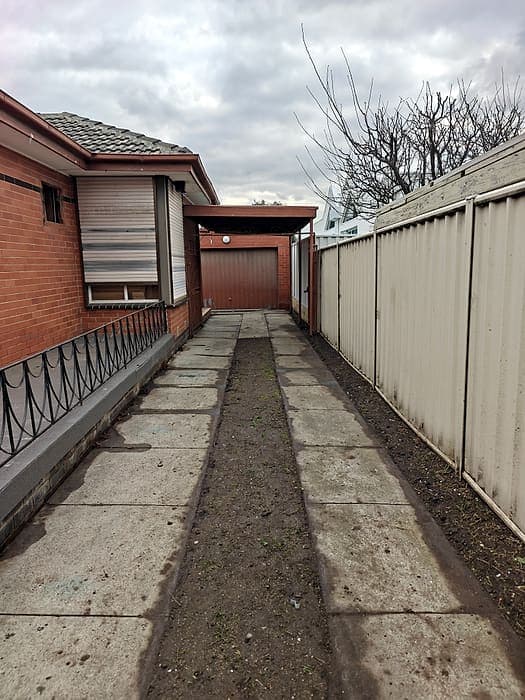
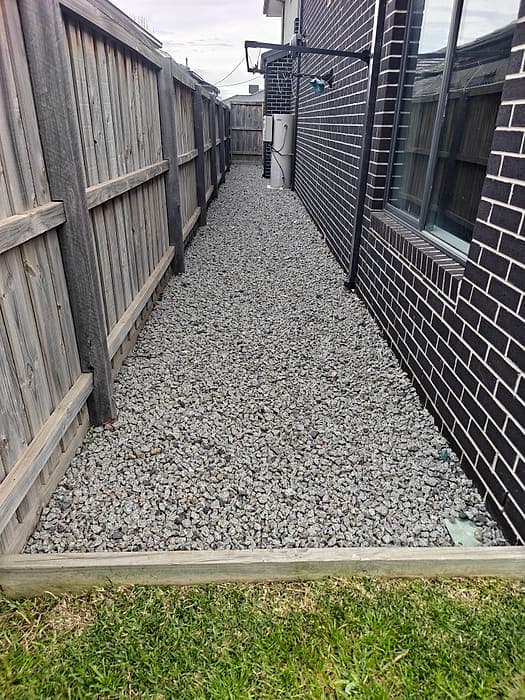
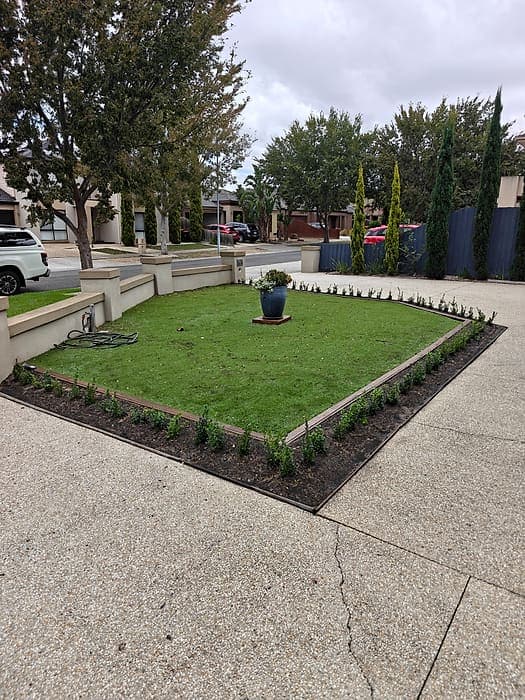
From our jobs
Frequently asked
How can I tell if a pot plant needs water without overwatering it?
Why does water run straight out of my pot without wetting the soil?
Are terracotta pots a bad choice for a hot Melbourne balcony?
Can I run a drip system to my pots during the day in summer?
Should I fertilise pot plants during a heatwave?
Which pot colour stays coolest in full summer sun?
Is it worth mulching the top of pot plants?
Sources and further reading
- Produce in Pots (Sustainable Gardening Australia)
- Protecting Plants in Hot Weather (Sustainable Gardening Australia)
- Permanent water saving rules (Water Victoria)
- Melbourne Regional Office climate statistics (Bureau of Meteorology)
- Ladder safety (Better Health Channel)
Caring for Melbourne gardens since 2019. Updated 18 November 2026.