


Gardening
Gravel and succulent gardens: low water, low fuss?
By the Action Garden team · Updated · 11 min read
Checked against: Sustainable Gardening Australia, Agriculture Victoria, CFA, Water Victoria, Bureau of Meteorology, Knox City Council
TL;DR
- Gravel and succulent gardens use far less water than lawn or thirsty shrubs once established, which suits Melbourne's dry, hot summers.
- They are not maintenance free; weeds germinate in the dust and litter that settle between stones, so plan on regular weeding.
- Drainage is everything; on Melbourne's heavy clays, build the bed up on a mound or raised bed so succulent roots never sit wet in winter.
- Some popular dry-garden plants are weeds in Victoria, and wheel cactus is regionally prohibited in the Port Phillip and Western Port catchments.
- Pebbles and crushed rock suit beds near the house in bushfire-prone areas, but stone reflects heat, so keep tender plants away from hot walls.
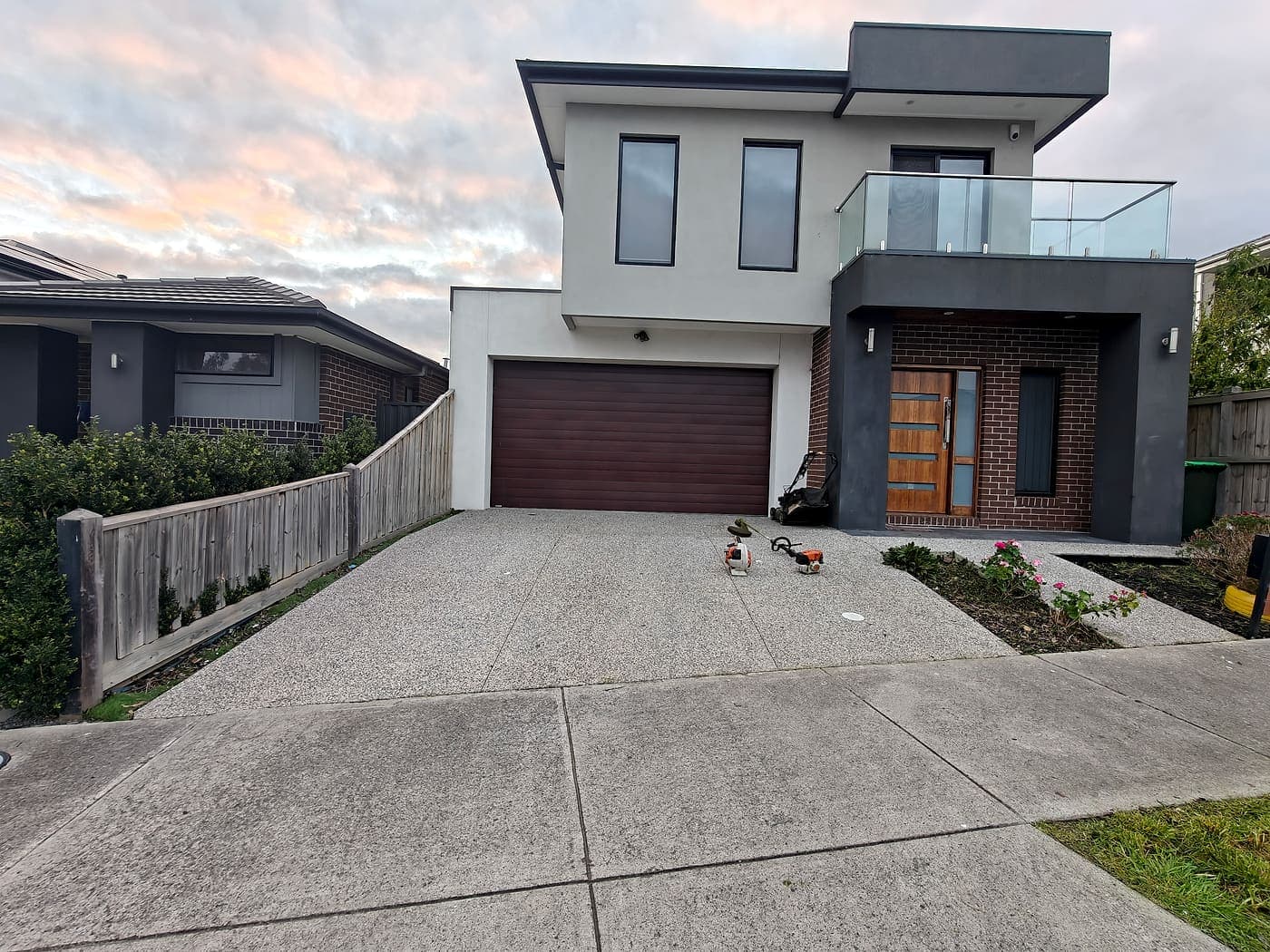
Are gravel and succulent gardens really low water and low fuss?
They are genuinely low water, but only moderately low fuss. Once established, succulents and dry-country plants in gravel need little or no summer watering, yet the gravel itself needs regular care to stay weed free and tidy.
The water case is strong in Melbourne. The Bureau of Meteorology (opens in a new tab)'s long record for central Melbourne shows mean evaporation of about 5.8 mm a day in January, several times the rain that falls in a typical summer month. A lawn or a bed of thirsty shrubs has to make up that gap with irrigation; a well-built succulent bed mostly does not.
The fuss case is where expectations go wrong. Gravel does not stop weeds forever. Dust, leaf litter and broken-down plant material settle between the stones, weed seeds blow in and germinate, and within a year or two a neglected gravel bed can look worse than a mulched one.
How does a gravel garden compare with lawn and mulched beds?
Gravel and succulents win on water and on time spent mowing, lose on summer heat and on how easily you can change your mind later, and sit in the middle on weeding.
Side by side
Gravel and succulents compared with the alternatives
| Factor | Gravel and succulents | Lawn | Mulched shrub beds |
|---|---|---|---|
| Summer water once established | Very low | High for a green lawn | Low to medium |
| Regular work | Weeding, debris blow-out, occasional trims | Mowing weekly in summer, edging, feeding | Weeding, pruning, mulch top-ups |
| Weeds | Grow in dust between stones | Lawn weeds and runners | Fewer, if mulch is kept deep |
| Heat around the house | Can raise it; stone stores and reflects heat | Cools the surrounding area when watered | Cooler, especially with shade from shrubs |
| Soil improvement | None; stone adds nothing | Some, from clippings | Good; organic mulch breaks down into the soil |
| Bushfire-prone areas near the house | Pebbles and crushed rock suit CFA (opens in a new tab) advice | Keep short and green | Organic mulch is flammable near the house |
| Changing it later | Hard; gravel mixes into soil and is heavy to remove | Easy to dig out or reshape | Easy |
The right answer is often a mix. A gravel bed with succulents and dry-country natives on the hottest, driest side of the property, a mulched bed where you want shade and softness, and a smaller lawn where people actually walk and play.
What makes a gravel and succulent garden work in Melbourne?
Drainage first, sun second, frost third. Succulents rarely die from dry weather in Melbourne; far more die from roots sitting in wet clay through winter.
Drainage on clay and on sand
Much of Melbourne's north and west sits on heavy basalt clay that holds water for weeks after winter rain. On that soil, build the planting area up. A low mound or raised bed of free-draining mix, with gravel or grit worked through the top layer, lifts the roots above the wet clay. Never dig a hole in clay and fill it with gravel: it becomes a sump that holds water around the roots.
The sandy soils of the south-east drain freely, so succulents usually do well in the ground there. Add a little compost when planting to give roots something to hold on to.
Sun and heat
Most succulents and dry-country plants want full sun or close to it. In shade they stretch, flop and rot. But the reflected heat from walls, paving and pale gravel adds to the load, so even sun-loving plants appreciate a little afternoon relief in the hottest spots.
Frost
Frost matters on the fringe. Bureau of Meteorology figures show the outer suburbs freeze more often than the city centre, and soft-leaved succulents can collapse after a hard frost. Plant tender types under eaves or in pots in cold pockets, and keep hardy types for open beds.
A cross-section of a garden bed on heavy clay. On the left, a hole dug into the clay and filled with gravel holds a pool of water around a succulent's roots, with a red cross. On the right, a low mound of free-draining mix sits on top of the clay, with gravel worked into the top layer and a loose gravel cover over it. The succulent's roots sit high in the mound, and arrows show rainwater draining sideways off the mound rather than pooling, with a green tick.
Which succulents and dry plants suit Melbourne, and which should you avoid?
Choose plants that are tough in heat, tolerate occasional frost where you are, and will not escape into bushland. That last test rules out several popular dry-garden plants.
Sustainable Gardening Australia's list of weedy garden plants and alternatives includes several that turn up in gravel gardens:
- Aeonium species are described as vigorous exotics in Victoria. Deadhead after flowering and dispose of prunings carefully so pieces do not take root elsewhere.
- Sour fig or Hottentot fig (Carpobrotus edulis) has naturalised along southern coasts and is considered an environmental weed. The native alternative is karkalla (Carpobrotus rossii).
- Gazania has spread along coastal roads. Sterile cultivars are available, and native alternatives include common everlasting (Chrysocephalum apiculatum).
- Agapanthus is weedy in many states. Sterile cultivars exist, and native alternatives include Dianella and bulbine lily.
The firmest rule applies to wheel cactus (Opuntia robusta). Agriculture Victoria (opens in a new tab) lists it as regionally prohibited in the Port Phillip and Western Port catchments, which take in most of Melbourne. Its seed is spread by birds and foxes, and pads take root where they fall. Other prickly pears are also declared weeds, so check Agriculture Victoria's weed pages before planting any Opuntia.
Native options for a dry gravel garden
A gravel garden does not have to be all succulents. Many Australian plants evolved in dry, stony country and suit gravel beds: low saltbushes, everlastings, native grasses such as Poa, emu bushes, and groundcovers such as native pigface (karkalla) near the coast.
They bring flowers for bees and birds, which most succulent beds lack, and many are frost hardy. Our article on plants that cope with Melbourne summers lists tough natives and exotics by type.
What maintenance does a gravel garden still need?
Regular weeding, a blow-out of leaves and dust, trimming spent flower stalks and dead rosettes, and a top-up of gravel every few years. Allow for a short visit every few weeks in the growing season.
| Task | How often | Why |
|---|---|---|
| Hand weeding | Every few weeks in spring and autumn | Seeds germinate in the dust between stones |
| Blow or rake out leaves and debris | Monthly, more often in autumn | Litter breaks down into the soil that weeds grow in |
| Remove spent flower stalks and dead rosettes | After flowering | Keeps the bed tidy and reduces rot |
| Divide or thin overgrown clumps | Every year or two | Crowded succulents trap moisture and rot |
| Top up gravel | Every few years | Stones sink into the soil and thin out over time |
| Check edges | Yearly | Gravel creeps onto paths and lawn without a firm edge |
Weeds are the biggest job. Pull them while they are small and the soil is moist, before they set seed, and keep the gravel clean so they have less to grow in.
Weed mat under gravel
Many gravel gardens are laid over landscape fabric. It helps for the first year or two, but dust and litter settle on top of the fabric, weeds root into that layer, and their roots then grow through it. Planting through fabric later is also awkward.
Our article on when weed mat helps and when it makes things worse explains where fabric earns its place and where a good depth of gravel over firm, weed-free soil does the job better.
Is gravel a good choice near the house?
Near the house, pebbles and crushed rock have a real advantage in bushfire-prone areas, but keep any gravel or soil below the slab edge and weep holes, and slope it away from the walls.
The CFA advises that organic mulch is highly flammable and can carry fire to a home, and suggests inorganic alternatives such as river pebbles or crushed rock. It also advises keeping the space immediately around the house relatively clear of plants and material that could catch fire.
Two other checks matter. Knox City Council (opens in a new tab)'s termite guidance advises against building up garden beds against walls, because it hides termite entry points and can bridge physical barriers. And any bed against a house must let rain drain away from the footings rather than towards them.
Does a gravel garden suit a rental or a home going to sale?
It can, but think about who maintains it next. A tidy gravel bed photographs well and saves water, while a weedy one looks neglected quickly.
For a property going to market, a fresh top-up of gravel, clean edges and the weeds pulled can lift a dry corner fast. Our step-by-step guide to getting a garden ready for sale covers the rest of the tidy-up.
For rentals, gravel beds reduce mowing and watering, but someone still needs to weed them. Our guide to what the guidelines say about renters and rental providers in rental gardens explains who usually looks after what.
What are the common mistakes with gravel and succulent gardens?
The most common mistake is expecting no maintenance. The second is poor drainage on clay, which kills more succulents than any summer.
- Gravel straight onto wet clay. Build up a free-draining mound instead.
- Planting weedy species. Check Agriculture Victoria's weed lists and choose sterile or native alternatives. Our article on environmental weeds in Victoria covers what to look out for.
- No firm edge. Gravel spreads onto lawns and paths and into mower blades.
- Too much stone, too few plants. A sea of gravel radiates heat and looks bare. Aim for plants to cover most of the bed once grown.
- Fine gravel or dust on slopes. It washes down in heavy rain; use a coarser, angular stone.
- Using organic mulch near the house in fire-prone areas. Use stone there and keep organic mulch for beds further away. Our article on which mulch suits Melbourne gardens compares the options.
Converting a lawn to gravel means moving tonnes of material. Get help with heavy barrowing, and before digging deep, check where underground services run through Before You Dig Australia. Changes to levels or drainage next to the house can affect footings and termite barriers, so get advice before building beds up against walls. Wear thick gloves and eye protection when removing any prickly pear or cactus.
When is it worth handing the job over?
A gravel and succulent bed is a good project to build yourself if you have the time and a strong back. Help makes sense for the conversion work, removing lawn, building up drainage and spreading stone, and for keeping the weeding on schedule once it is in.
Our gardening services cover clearing, soil preparation, planting and regular weeding, and our complete guide to garden maintenance in Melbourne shows how a dry garden fits into a year of care. There are more ideas in the gardening section of our blog, and you can get a free quote when you are ready.
Your Garden. Our Promise.
From our jobs
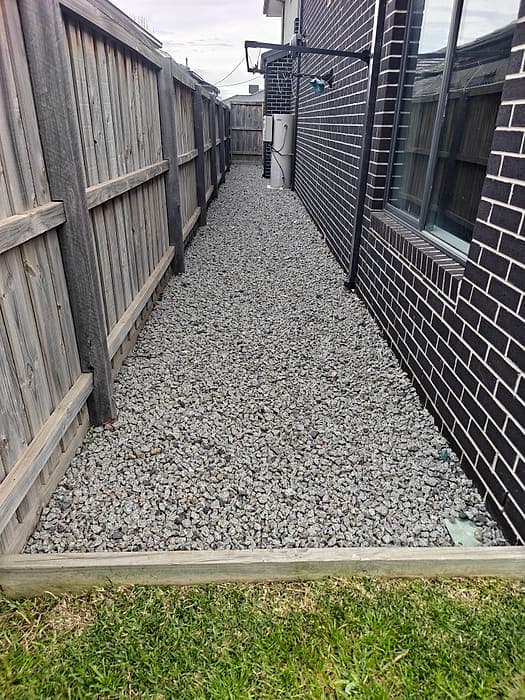
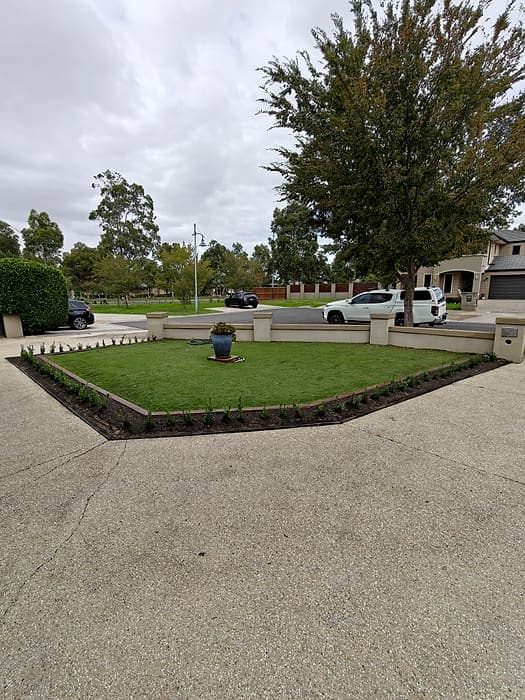
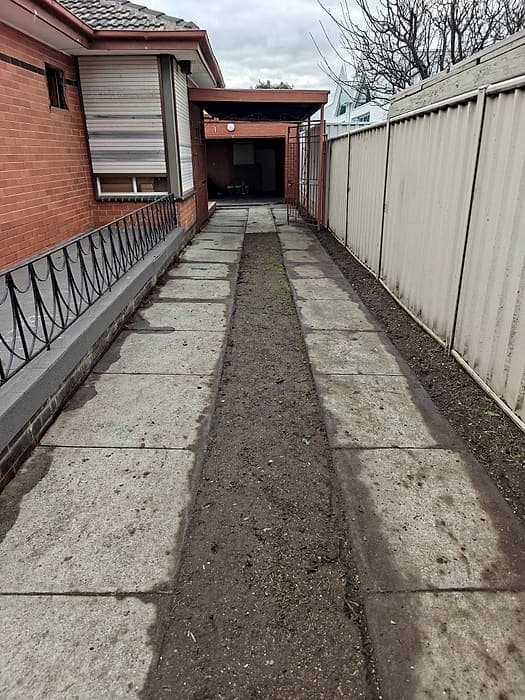
Frequently asked
How deep should the gravel layer be in a succulent bed?
Do succulents in a gravel garden need watering in a Melbourne summer?
Will succulents survive frost in Melbourne's outer suburbs?
Is wheel cactus legal to grow in a Melbourne garden?
What is a native alternative to the weedy pigface in coastal gardens?
Does a gravel garden make the area around a house hotter?
Is decomposed granite a good alternative to loose gravel?
Sources and further reading
- Choosing mulch for your garden (Sustainable Gardening Australia)
- Non-invasive alternatives to weedy plant species (Sustainable Gardening Australia)
- Wheel cactus (Agriculture Victoria)
- Landscaping your property (CFA)
- Permanent water saving rules (Water Victoria)
- Melbourne Regional Office climate statistics (Bureau of Meteorology)
- Termites and termite areas (Knox City Council)
Caring for Melbourne gardens since 2019. Updated 18 November 2026.