


Green waste and rubbish guide
Palm fronds, branches and bulky garden waste: getting rid of it
By the Action Garden team · Updated · 11 min read
Checked against: Glen Eira City Council, Knox City Council, Hume City Council, City of Whittlesea, South Gippsland Shire Council, EPA Victoria, Banyule City Council, CFA
TL;DR
- Small pieces of palm frond and branch can usually go in the green bin; long or thick material needs another route.
- Council bundled branch services set their own limits, such as 1.5 to 2 metres long, and some refuse palm fronds outright.
- Palm fronds, yuccas, agaves and cordylines are fibrous and hard to mulch, so home compost and hired chippers struggle with them.
- Wear thick gloves, long sleeves and eye protection: many palms carry long, sharp spines near the base of each frond.
- Whole palms, stumps, storm-damaged limbs and anything near power lines are jobs for professionals, not a bundled branch pile.
| Waste | Usual route | What to check |
|---|---|---|
| Short frond and branch pieces | Green or FOGO bin | Cut to fit so the lid closes and the bin empties cleanly |
| Long branches and fronds | Council bundled branch collection | Length, thickness, ties and whether palm fronds are accepted |
| Large limbs and trunks | Transfer station or removal service | Council services cap branch thickness and refuse stumps and trunks |
| Agave, yucca, cactus and cordyline | Check the council A to Z guide | Often excluded from bundled branches and hard to mulch |
Why is bulky garden waste so hard to get rid of?
Bulky garden waste is hard to move because of its shape, not its weight. Palm fronds, long branches and hedge wood are springy, awkward and full of air, so a pile that looks modest fills a green bin in minutes and a trailer faster than you expect.
Most of the usual disposal routes are built for small, loose material. The green bin wants pieces short enough for the lid to close, council branch collections set length and thickness limits, and home compost needs material that breaks down within a season or two. Bulky waste fails all three tests until it is cut down.
Palm fronds add two problems of their own. They are tough and fibrous, so they rot slowly and do not shred cleanly, and many palms carry sharp spines along the base of each frond. That is why some councils treat them differently from ordinary branches, and why they need more care to handle.
This guide covers the awkward end of garden waste: palm fronds, large branches, spiky plants and storm debris. For the full picture of every route, from the green bin to hard rubbish, see our complete guide to garden rubbish removal in Melbourne.
Can palm fronds go in the green bin?
Small pieces usually can, as long as they are cut to fit and the lid closes. Glen Eira City Council (opens in a new tab), for example, says small branches, fronds and bamboo cuttings can go in the green bin, while larger material goes through its bundled branch collection.
The practical limit is the bin itself. A frond bent double will spring back, jam against the sides and can stop the bin emptying when the truck tips it. Cut fronds into short lengths with secateurs or loppers and lay them flat, mixed with softer clippings so the load does not bridge across the bin.
A mature palm can drop more fronds in a year than a single bin can absorb alongside your lawn clippings. If you only clear the palm once or twice a year, the green bin alone will not keep up, and a bundled branch booking, a tip run or a removal service will be quicker. Our guide to green waste disposal options in Melbourne compares those routes for everyday garden waste.
How do council bundled branch collections treat palm fronds and large branches?
Council bundled branch services take tied bundles of branches put out on the nature strip, within limits that differ by council. Some accept palm fronds as part of the service, some count each frond separately, and some do not take them at all.
These figures come from each council's own page, checked in November 2026:
| Council | Longest piece | Thickness or bundle size | Palm fronds |
|---|---|---|---|
| Glen Eira | 2 metres | Bundles up to 30 cm thick; branches over 15 cm thick not collected; up to 20 bundles, 3 cubic metres in total | Accepted, each frond counts as one bundle |
| Knox | 1.5 metres | Bundles no more than 30 cm across and 30 kg | Not mentioned, ask the council |
| Hume | 1.5 metres | Prunings up to 75 mm thick tied; limbs 75 to 200 mm thick untied and stacked | Not mentioned, ask the council |
| Whittlesea | 1.8 metres | Bundles up to 30 cm wide | Not collected |
Several rules repeat across councils. Bundles must be tied with natural string or twine, not wire or plastic. Stumps, roots, soil and timber are not collected, and branches containing nails or wire are refused. Whittlesea also lists agave, succulents, yuccas, ivy and blackberries among the items it will not take.
Bookings work differently too. Glen Eira gives each household a set number of free bundled branch collections per financial year, Hume issues vouchers by volume, and others take bookings through an online portal. The council page tells you how many you have and when to put the pile out.
Why palm fronds are treated differently
Councils send bundled branches to be shredded and composted or mulched. Palm fronds, cordylines and yuccas are made of long, tough fibres rather than wood, so they wrap around shredder blades and break down slowly in compost. South Gippsland Shire Council (opens in a new tab), outside Melbourne, puts it plainly in its green waste rules: palm fronds, cordylines, yuccas and related species "physically cannot be mulched", so they are handled as general waste there. Melbourne councils make their own calls, which is why the same frond is welcome in one municipality and refused in the next.
How do you cut and stack palm fronds safely?
Cut fronds with loppers or a pruning saw while wearing thick gloves, long sleeves and eye protection, then stack them flat with all the bases facing the same way. Good preparation makes the pile safer to handle and easier for anyone to load.
- Gear up. Use leather or puncture-resistant gloves, long sleeves, long pants, closed shoes and safety glasses. Many palms, the Canary Island date palm among them, have long, rigid spines near the base of each frond that can go through light gloves.
- Work from the ground. Only cut fronds you can reach standing on the ground. Fronds high in the crown are heavy, swing as they fall and need a ladder or a climber, which is a job for professionals.
- Cut off the spiny base first. On spiny palms, cut the stem just above the spines and keep that short section separate. The rest of the frond is then much easier to handle.
- Cut to length. Cut each frond to the length your route accepts: bin length for the green bin, or your council's limit for bundled branches.
- Stack flat, bases together. Lay pieces in a neat stack with the cut ends all one way. A tidy stack takes far less room and nobody grabs a spine by surprise.
- Keep it off the path. Stack fronds away from walkways, children's play areas and pet runs until they are collected.
A side view of a single palm frond lying on the ground. At the left end is the thick base with a row of sharp spines, marked with a red cut line just past the last spine. The long stem and leaflets run to the right, with two more cut lines dividing it into lengths that fit a bin. Below, the cut pieces are shown stacked flat, all bases facing left, beside a gloved hand and a pair of loppers. A small label shows the spiny base sections kept in their own pile.
Leave it to professionals if the fronds are out of reach from the ground, the palm is tall enough to need a ladder, the crown is near power lines, or you are removing the whole palm. Falling fronds are heavier than they look and swing unpredictably, and working from a ladder with a saw is a serious fall risk. If a spine breaks off in the skin and causes swelling or pain, get medical advice.
What do you do with large branches, limbs and stumps?
Branches within your council's limits can go out as bundled branches, while thicker limbs, trunk sections and stumps need a transfer station, a skip or a removal service. Council collections are set up for prunings, not tree removal.
The cut-off is usually thickness. Hume accepts untied limbs only up to 200 mm thick, Glen Eira does not collect branches over 15 cm, and both refuse stumps and roots. Anything beyond that, such as the trunk of a removed tree or a large limb from a storm, falls outside every council branch service in the table above.
Roots and stumps carry another problem: soil. Soil adds a lot of weight and contaminates green waste, so councils refuse it in branch collections and many green waste sites want it knocked off first. Keep stumps and rooted material in a separate pile so the clean green waste can go where it is accepted.
For a big pile of mixed material, compare a skip with a removal service before you book either. Our guide to choosing between a skip bin and rubbish removal covers placement, permits and what cannot go in. If the pile also includes old furniture or a broken mower, see how council hard rubbish compares with a private removal.
Cutting branches to a council limit without wasting time
Sort before you cut. Pull out every piece already under the length limit and bundle those first, then deal with the long material. Cut long branches at a fork rather than mid-stem, since the side branches then fold in and the bundle packs tighter. Tie each bundle in two places, about a third of the way from each end, so it does not sag when it is lifted. Finally, check thickness: a piece over the limit in an otherwise good bundle can see the whole bundle left behind.
What about agave, yucca, cactus and other awkward plants?
Spiky, fleshy and fibrous plants are often excluded from council branch collections and do not compost well, so they usually need a transfer station or a removal service. Check the council's A to Z waste guide for each plant by name.
These plants cause trouble for different reasons:
- Agave and aloe: fleshy leaves full of water are heavy, slow to break down and often tipped with a hard spine. Whittlesea lists agave and succulent plants among the items its branch service does not collect.
- Yucca and cordyline: tough, fibrous trunks and leaves that do not mulch well; both are named by councils as hard to process.
- Cactus: spines and heavy, wet pads. Handle with tongs or heavy gloves and keep pieces away from anything soft.
- Ivy and blackberry: both regrow from cuttings and pieces, and blackberry is a declared noxious weed in Victoria. Do not compost them at home, and check how your council wants them disposed of.
Some agave and yucca sap irritates skin, so cover up when cutting them and wash any sap off promptly. Large old agaves and yuccas are also very heavy at the base, so dig and lift with help.
Can you compost or mulch palm fronds and branches at home?
Woody branches can be chipped or broken down at home, but palm fronds and other fibrous plants are a poor fit for both compost and small chippers. Home routes work best for fresh, thin prunings.
A small chipper turns fresh, woody prunings into a useful mulch for paths and the back of garden beds. Palm fronds behave differently: their long fibres wrap around blades and rollers, and the leaflets shred into stringy strands rather than chips. If you hire a machine, follow the hire company's instructions on what it will take and the safety gear it needs.
In a compost bin, fronds sit for a very long time. If you want to try, cut them into very short pieces and mix them with plenty of soft green material, but expect them to take far longer than leaves or clippings. For most households, keeping fronds out of home compost is simpler.
Burning is rarely an option in Melbourne. Councils restrict open air burning through local laws, and Banyule, for example, grants a permit to burn green waste only when there is no other way to dispose of the material. Our green waste disposal guide covers the burning rules in more detail.
Keeping a waiting pile safe
A pile waiting for collection becomes shelter for rats and, on bushland edges, snakes. Keep it off fences and house walls, stacked flat rather than heaped, and as far from the house as access allows. In bushfire-prone areas, the CFA (opens in a new tab)'s property preparation advice includes removing dead leaves, twigs and other fine fuel from around the house, so do not let a pile of dry fronds sit there into summer.
How do you deal with storm debris and fallen palms?
Clear only fallen material that is on the ground, safe to reach and not under tension; leave hung-up limbs, damaged trees and anything near wires to professionals. Storm debris is bulky waste with extra hazards.
After a storm, fallen limbs can be bent and loaded like a spring, a branch can be resting on a fence that is holding it up, and wet fronds are slippery underfoot. Work slowly, start with the small, loose material, and keep children and pets away until the area is clear.
Once the hazards are dealt with, the debris follows the same routes as any other bulky waste: cut to length, sort out soil and timber, and choose bin, bundled branches, tip or removal by volume. Our after a storm garden clean-up order of jobs sets out what to do first, and where your green waste goes after it leaves the garden explains what happens to it next.
Whole palms are a separate job. Glen Eira's branch service, for example, does not collect whole palm trees, and removing one involves heavy fronds, a fibrous trunk and the stump. Action Garden's own team cuts and removes palm trees, after a site visit to assess the job.
What affects a removal quote, and when is it worth handing over?
A removal quote depends mainly on volume, what the pile is made of, and how far it has to be carried to the vehicle. Palm fronds and large branches add handling time because they are springy, spiny or heavy, so a clear description helps.
The factors our rubbish removal service quotes on are:
- Volume, which we estimate in trailer loads.
- Type of material: green waste, hard waste or renovation debris, and whether it is mixed.
- Access and carry distance: a narrow side path or steps add time.
- Sorting, so each kind of waste goes to the right place.
For palm fronds and other bulky green waste, Action Garden takes all kinds of green waste. Send a photo first so the job can be quoted, and the team will talk you through it before anything is taken.
It is worth handing over when the pile is bigger than your bin and your council's free collections can absorb, when it mixes green waste with timber or rubbish, or when a deadline such as an end of lease or a sale is close. Send a photo of the whole pile with something beside it for scale, and say what is in it. Our help centre explains how quotes, visits and green waste are handled.
When you are ready, get a free quote. Browse more green waste and rubbish guides for the rest of the clean-up.
Your Garden. Our Promise.
From our jobs
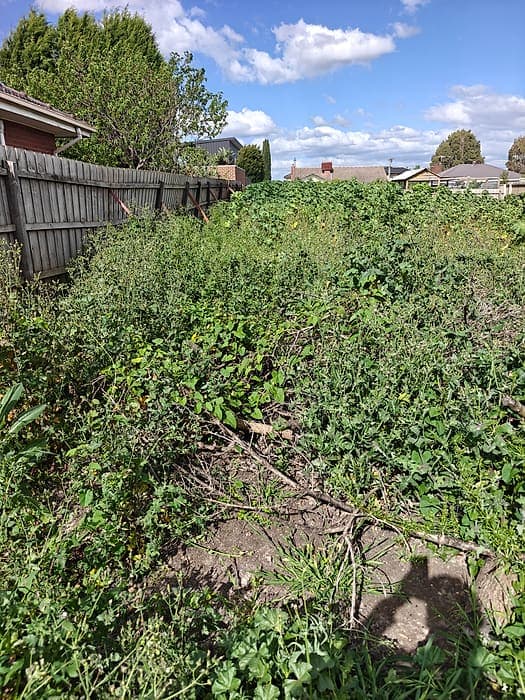
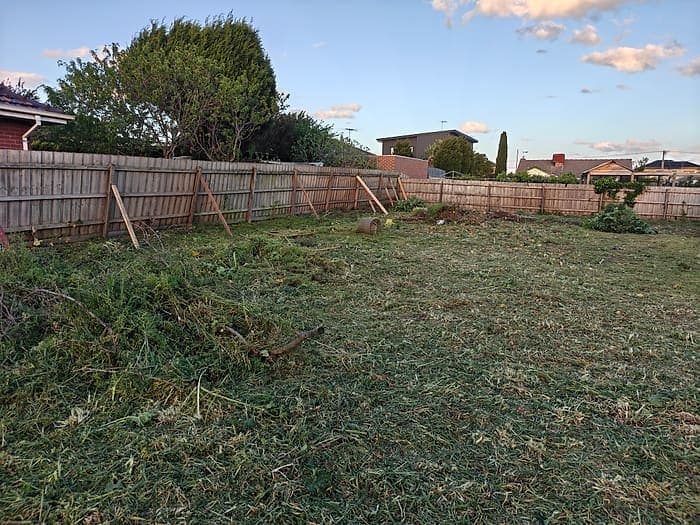
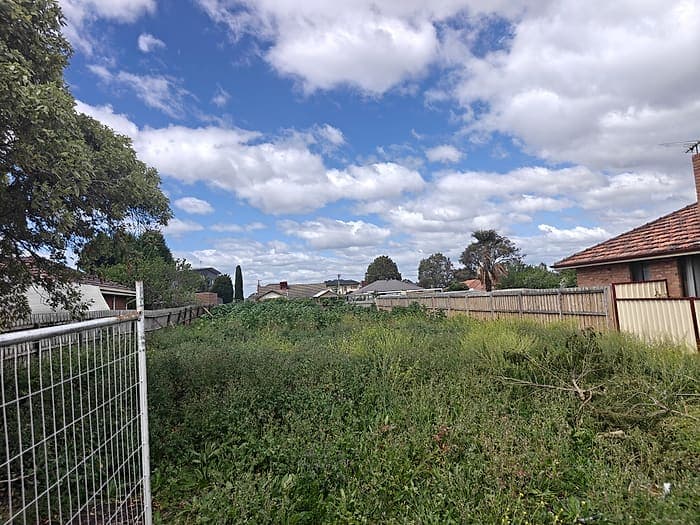
Frequently asked
Does each palm frond count as a separate bundle in a council collection?
Why do some councils refuse palm fronds in their branch collection?
Can I put palm fronds out on the nature strip before my collection is booked?
Should I tie palm fronds into bundles like branches?
Can I hire a garden chipper to deal with palm fronds?
Is it safe to leave cut palm fronds in a pile for a few weeks?
What do I need to tell a removal service about a pile of fronds and branches?
Sources and further reading
- Tree branches, palm fronds, bamboo (Glen Eira City Council)
- Bundled branches collection (Glen Eira City Council)
- Bundled branch collection (Knox City Council)
- Bundled branch collections (Hume City Council)
- Bundled branch collection (City of Whittlesea)
- Green waste amnesty (South Gippsland Shire Council)
- Dumped waste (EPA Victoria)
- Burning off, wood heaters and smoke (Banyule City Council)
- How to prepare your property (CFA)
Caring for Melbourne gardens since 2019. Updated 18 November 2026.