


Seasonal
Melbourne garden calendar: a month-by-month index of jobs
By the Action Garden team · Updated · 12 min read
Checked against: Bureau of Meteorology, CFA, Water Victoria, Australian Plants Society Victoria
TL;DR
- Spring is the busiest season: weed before weeds seed, feed as growth starts, plant and mulch on moist soil
- Summer is about water and heat: January and February each average about 7 to 8 days of 30 °C or more on BOM's long record
- Autumn is the main planting window: soil stays warm while evaporation falls by more than half from March to May
- Winter is for structure: prune roses and fruit trees in July, plant bare-root stock and keep drains clear
- Some jobs run all year, such as weeding, checking gutters and following the permanent water saving rules
| Month | Main jobs | Weather (BOM long-term means) |
|---|---|---|
| January | Water deeply, heatwave care, deadhead | Mean max 25.9 °C, about 8 days of 30 °C or more |
| February | Summer prune, water, plan autumn planting | Mean max 25.9 °C, rainfall 48.0 mm, evaporation 5.2 mm a day |
| March | Deadhead, prepare beds, buy bulbs | Mean max 23.9 °C, still about 5 days of 30 °C or more |
| April | Plant, divide, prune natives, repair lawns | Mean max 20.3 °C, evaporation down to 2.5 mm a day |
| May | Leaves, gutters, drains, mulch, last bulbs | Mean max 16.7 °C, rain on about 10 days |
| June | Clean-up, bare-root planting, plan pruning | Mean max 14.1 °C, evaporation 1.1 mm a day |
| July | Prune roses and deciduous fruit trees | Mean max 13.5 °C, mean min 6.0 °C, the coldest month |
| August | Finish pruning, weed hard, feed citrus | Mean max 15.0 °C, rain on about 10 days |
| September | Weed, feed, plant hardy natives | Mean max 17.3 °C, rainfall 58.0 mm |
| October | Mulch, plant out, tie in climbers | Mean max 19.7 °C, rainfall 66.0 mm, the wettest month |
| November | Prune after flowering, trim hedges, test irrigation | Mean max 22.0 °C, about 3 days of 30 °C or more |
| December | Water, mulch top-ups, light hedge trims, fire readiness | Mean max 24.2 °C, about 6 days of 30 °C or more |
How does the Melbourne garden year work?
The Melbourne garden year has four working phases: grow and plant in spring, protect in summer, plant and tidy in autumn, and prune and repair in winter. Each month below fits one of those phases, and knowing which phase you are in tells you what matters most.
Melbourne's climate is temperate, with warm, dry summers and cool, damp winters, and rain spread through the year rather than in a wet season. On the Bureau of Meteorology (opens in a new tab)'s long record for central Melbourne, monthly rainfall only ranges from about 47 mm in January to 66 mm in October. What changes far more is heat and evaporation, and they drive most garden decisions.
This page is an index. Each month gets its key jobs in a few lines, and the seasonal checklists go into detail. The spring garden checklist is the place to start if it is September now.
A circular wheel divided into twelve month segments, starting with January at the top and running clockwise. Four coloured arcs group the months into seasons: summer (December to February), autumn (March to May), winter (June to August) and spring (September to November). An inner ring shows a line for mean daily evaporation, swelling to its widest in January and narrowing to its thinnest in June. Small icons on each segment mark the lead job: a watering can in summer, a seedling in autumn, secateurs in winter and a weeding fork in spring. As the wheel animates, a pointer sweeps round the months and each segment's icon lights in turn.
What does the weather do across a Melbourne year?
Temperature and evaporation swing widely across the year, while rainfall stays fairly even. On BOM's long record for central Melbourne, mean daily evaporation runs from 5.8 mm in January down to 1.1 mm in June, a more than fivefold change, while the mean maximum moves from 25.9 °C to 13.5 °C.
That is why watering, mulching and planting are all about timing. In January the air pulls about 180 mm of water a month from an open pan against under 50 mm of rain; in June it pulls about 33 mm against about 50 mm. The same garden is in deficit for half the year and in surplus for the other half.
| Season | Months | Mean max range (°C) | Mean rainfall per month (mm) | Mean daily evaporation (mm) |
|---|---|---|---|---|
| Summer | December to February | 24.2 to 25.9 | 46.8 to 59.1 | 5.2 to 5.8 |
| Autumn | March to May | 16.7 to 23.9 | 50.1 to 57.3 | 1.6 to 3.9 |
| Winter | June to August | 13.5 to 15.0 | 47.5 to 50.0 | 1.1 to 1.7 |
| Spring | September to November | 17.3 to 22.0 | 58.0 to 66.0 | 2.6 to 4.5 |
Source: Bureau of Meteorology, climate statistics for Melbourne Regional Office (086071). Temperature and rainfall 1855 to 2015; evaporation 1955 to 2015.
What are the garden jobs from December to February?
Summer is about protecting what you have: water deeply, mulch, deal with heat, and trim lightly. On BOM's long record, December averages about 6 days of 30 °C or more, January about 8 and February about 7.
December
- Top up mulch on any bed where soil is showing, after a good soak.
- Set the watering system for the permitted hours, 6pm to 10am, and check every zone.
- Give fast-growing hedges a light trim so they look neat for summer.
- Finish fire-season preparation: CFA (opens in a new tab) says the Fire Danger Period can start as early as October in Victoria, so gutters, dry litter and woodpiles should already be dealt with.
- Arrange watering for any time away over the holidays.
January
- Water deeply and early on hot days; hand water pots and new plants with a trigger nozzle.
- Deadhead roses and repeat-flowering perennials.
- Shade young plants before forecast heatwaves. Our planned guide to garden care in a heatwave covers before, during and after.
- Mow lawns higher and less often in dry spells.
February
- Summer prune stone fruit after harvest, including apricots and cherries.
- Keep watering through heat; February is as hot as January on the long record.
- Plan autumn planting and order spring bulbs.
- Watch for pests that thrive in heat, such as mites on stressed plants.
What are the garden jobs from March to May?
Autumn is the main planting season and the start of leaf fall. Soil is still warm from summer, rain is returning, and evaporation falls from 3.9 mm a day in March to 1.6 mm a day in May.
March
- Keep watering deeply; March still averages about 5 days of 30 °C or more.
- Prepare new beds with compost ahead of planting.
- Buy spring bulbs and start planting daffodils and other early types.
- Deadhead for an autumn flush of flowers.
April
- Plant shrubs, natives, groundcovers and hedges once the first good rain has fallen.
- Divide crowded clumping perennials.
- Prune many natives after their flowering; the Australian Plants Society Victoria (opens in a new tab) says late summer to early winter is generally a good time to prune in Victoria.
- Repair worn and bare patches of lawn while the soil is warm.
May
- Rake leaves off lawns and low plants, and shred or compost them. Our planned article on autumn leaf season covers lawns, gutters and paths.
- Clear gutters, downpipes and drains after the main leaf drop.
- Plant tulips and the last bulbs.
- Weed and mulch beds while the soil is moist.
What are the garden jobs from June to August?
Winter is for structure: pruning, bare-root planting, drainage and weeding. Growth is slow, the soil is wet, and July is the coldest month on BOM's long record, with a mean maximum of 13.5 °C.
June
- Finish clearing leaves, gutters and drains.
- Plant bare-root roses, fruit trees and ornamental trees straight after buying.
- Note where water pools after rain, for drainage work later.
- Move deciduous shrubs while they are dormant.
July
- Prune bush roses, or wait until early August in frost-prone areas.
- Prune deciduous fruit trees such as apples, pears, plums and peaches.
- Protect frost-tender plants on clear, still nights in cold suburbs.
- Keep off waterlogged clay to avoid compacting it.
August
- Finish pruning before buds burst.
- Weed hard: winter weeds are flowering and about to seed.
- Feed citrus as growth starts, following the label.
- Service and sharpen tools for spring.
Why rose and fruit tree pruning sits in July
Deciduous roses and fruit trees are fully dormant in midwinter, with no leaves to lose and no sap rushing into new growth. Cuts made then stay clean until spring, when the plant grows over them, and the bare framework makes it easy to see what to remove.
Pruning too early, in a mild autumn, can trigger soft growth that the first frost damages. Pruning too late, after buds burst, wastes the plant's first flush of growth. Apricots and cherries are the usual exceptions and are pruned after harvest instead.
What are the garden jobs from September to November?
Spring is the busiest season of the year. Everything grows at once, rain is still reliable, and October is the wettest month on BOM's long record, with 66.0 mm on average.
September
- Weed before winter and spring weeds set seed.
- Feed beds and shrubs as new growth appears.
- Finish any late pruning in the first week or two.
- Plant hardy natives and shrubs in moist soil.
October
- Mulch beds on damp soil, after weeding.
- Plant out perennials, and frost-tender plants from mid to late month in most suburbs.
- Tie in climbers and stake tall plants before spring winds.
- Check soft new growth for aphids and other pests. Our planned guide to common garden pests in Melbourne covers what to look for.
November
- Prune spring-flowering shrubs once they finish flowering.
- Trim hedges for the first time in the season.
- Test the watering system before summer.
- Clear gutters and dry litter if fire preparation is not done yet.
Which garden jobs run all year in Melbourne?
A handful of jobs never stop, and keeping them going is what makes the seasonal ones quick. Missing them for a season is what turns a tidy garden into a rescue job.
- Weeding. Cool-season weeds germinate in autumn and flower in late winter; warm-season weeds take over in spring and summer. Little and often works best.
- Watering checks. Victoria's permanent water saving rules (opens in a new tab) apply all year: watering systems only from 6pm to 10am, and hand-held hoses fitted with a trigger nozzle at any time.
- Leaves and debris. Evergreens such as gums drop leaves and bark all year, not only in autumn, so paths, drains and gutters need regular checks.
- Storm clean-ups. Strong winds can arrive in any season. Our planned article on the order of jobs after a Melbourne storm sets out what to check first.
- Pest and disease checks. A quick look under leaves each visit catches problems while they are small.
Using the calendar for a regular maintenance programme
A garden calendar becomes a maintenance programme when each month's jobs are matched to a visit frequency. Spring and early summer usually need the most frequent visits, because lawns, weeds and hedges grow fastest then. Winter visits can be less frequent but longer, to fit in pruning.
For a home, a simple programme might be fortnightly from September to April and monthly from May to August, with extra visits for pruning in July and a fire and gutter check before summer. Body corporate and commercial sites often write the same calendar into a scope, so every contractor works to the same list.
Some calendar jobs are not DIY jobs: gutters on two-storey homes or steep roofs, pruning from a ladder above shoulder height, any work near power lines, and trees damaged by storms. Falls from ladders and roofs cause serious injuries every year. Tree work near power lines is regulated and must be left to qualified people.
Which calendar mistakes do Melbourne gardeners make most?
The most common mistakes come from following a calendar written for somewhere else, or treating the dates as fixed. Melbourne's seasons do not line up neatly with Sydney's or Europe's, and suburbs within Melbourne differ too.
- Using an interstate or overseas calendar. Sydney's humid summers and Europe's hard winters move the dates for planting and pruning.
- Planting tender plants too early in spring. Outer suburbs still see frost in September.
- Waiting for summer to think about water. Evaporation in November is already well ahead of rainfall.
- Pruning every shrub in winter. Spring-flowering plants lose their flowers.
- Planting in March heat. April usually gives a better start.
- Leaving gutters until the first big storm. By then the overflow has already started.
When is it worth handing the calendar over?
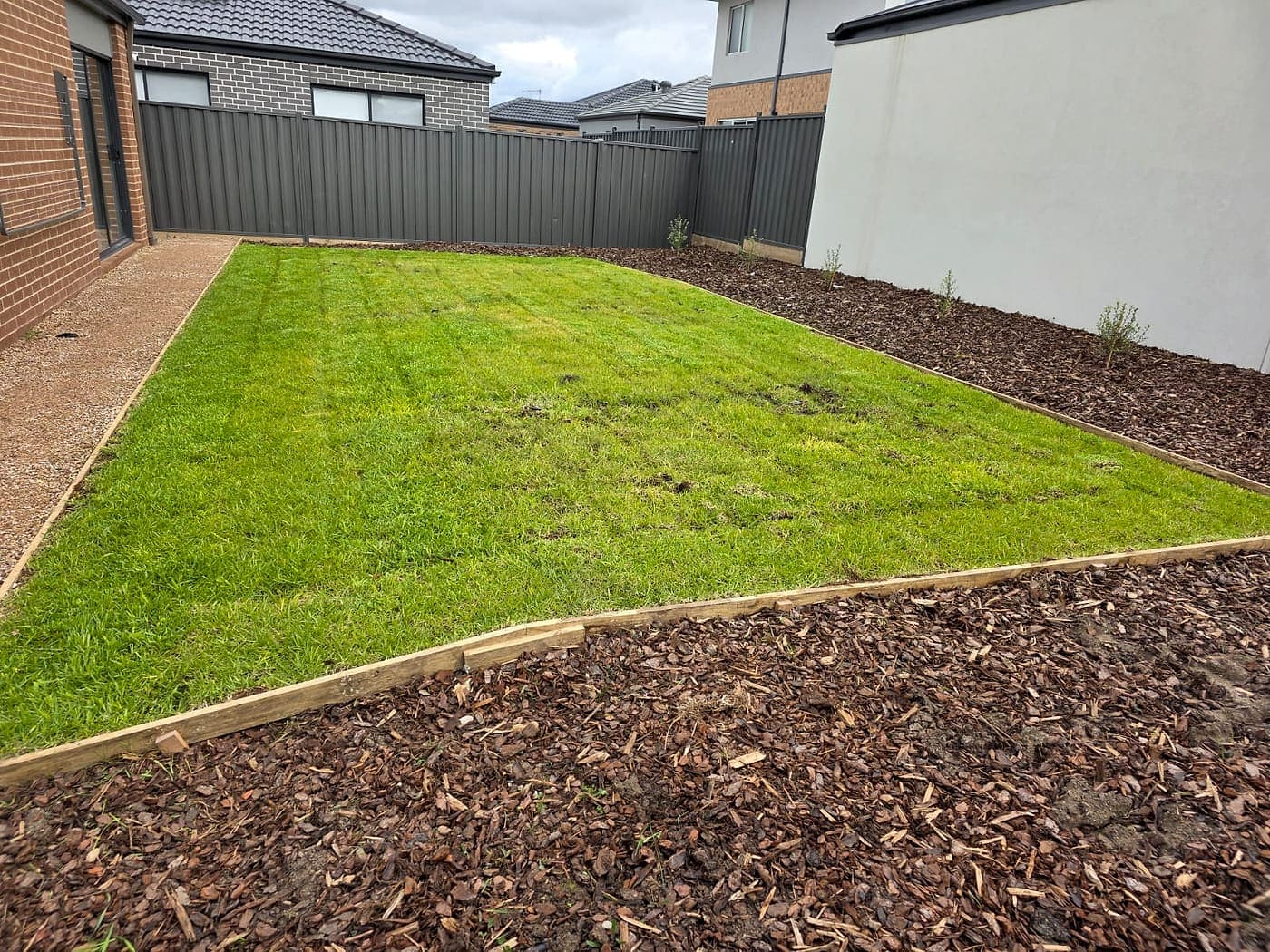
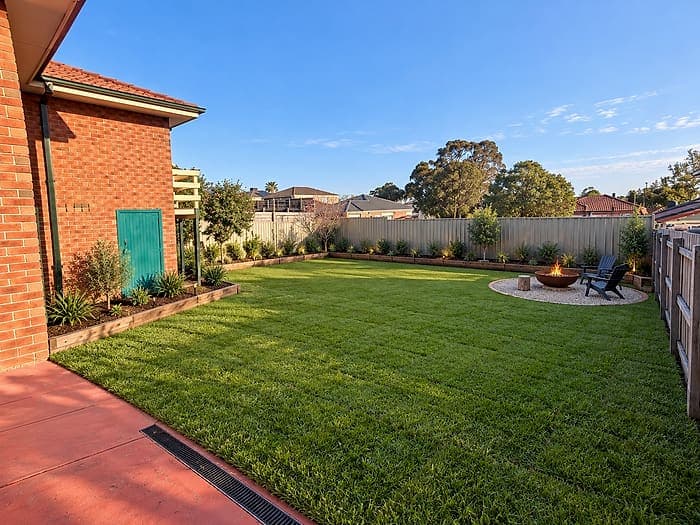
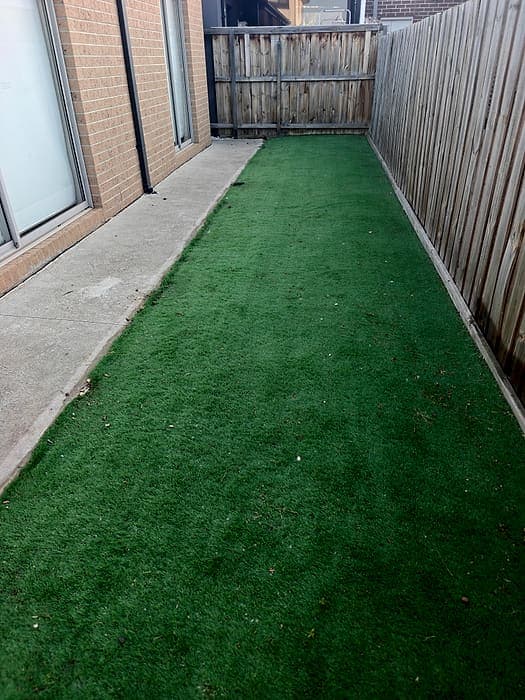
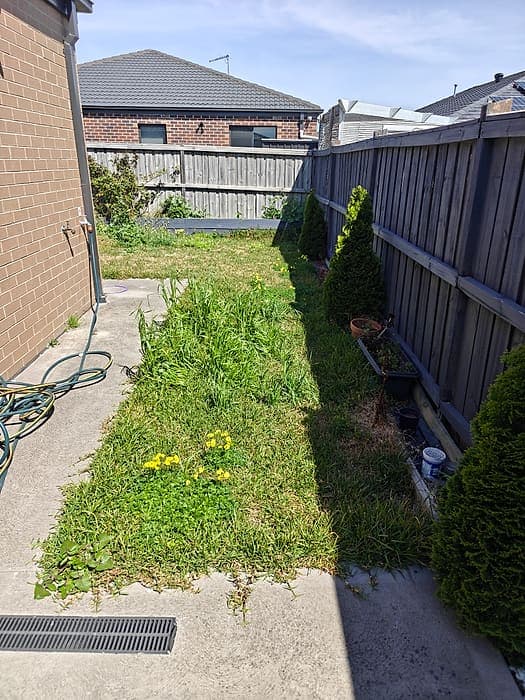
If you like the idea of a garden that follows this calendar but do not have the weekends for it, a regular programme is the simplest answer. The team can match visit frequency to the season, so the spring rush, the summer heat, the autumn leaves and the winter pruning are all covered without you keeping a list.
Our gardening services cover weeding, planting, pruning, mulching and seasonal clean-ups, and the complete guide to garden maintenance in Melbourne explains how regular programmes work in more detail. For more seasonal reading, see the seasonal section of our blog.
Whenever in the year you are reading this, a free quote is the easiest place to start.
Your Garden. Our Promise.
From our jobs
Frequently asked
Which month is the busiest in a Melbourne garden?
Is there a quiet month in the Melbourne garden year?
Does a month-by-month garden calendar work in every Melbourne suburb?
How far ahead should I plan seasonal garden jobs?
Which garden jobs should be done in every month of the year?
How does climate change affect Melbourne's garden calendar?
Can I use a garden calendar for a body corporate or commercial site?
Sources and further reading
- Climate statistics, Melbourne Regional Office 086071 (Bureau of Meteorology)
- State of the Climate (Bureau of Meteorology)
- Preparing for bushfire season (CFA)
- Permanent water saving rules (Water Victoria)
- Pruning Australian native plants (Australian Plants Society Victoria)
Caring for Melbourne gardens since 2019. Updated 18 November 2026.